 North American Safety Valve Industries, Inc.North American Safety Valve Industries, Inc.North American Safety Valve Industries, Inc.
China has become an important sourcing base for Check Valve buyers, but a polished catalog is only a starting point. The right manufacturer must match the valve to its real operating conditions: fluid, pressure, temperature, flow direction, and installation position. A stainless-steel swing check valve may suit one water line, while a corrosive process or pulsating pump discharge can demand a different design. Small details matter. Ask about seat materials, cracking pressure, inspection records, and how each unit is tested before shipment.
Valve Handbook author Philip L. Skousen offers a useful principle, paraphrased here: choose a valve for its service conditions, not simply its catalog description. That distinction helps global buyers compare Chinese manufacturers on engineering capability, production consistency, and documentation—not just price. Request drawings and material certificates. Confirm dimensions, connection types, and stated test criteria against your project requirements. Then assess lead times, communication, spare-parts support, and the supplier’s ability to explain trade-offs clearly.
No supplier is perfect. A quotation may leave questions unanswered; that is a reason to ask for clarification, not to assume. This guide will help buyers assess leading Chinese Check Valve manufacturers with practical questions and measurable criteria. It does not treat a ranking as a substitute for due diligence. The final choice should rest on verified product data, sample evaluation where appropriate, and a clear understanding of the intended application.
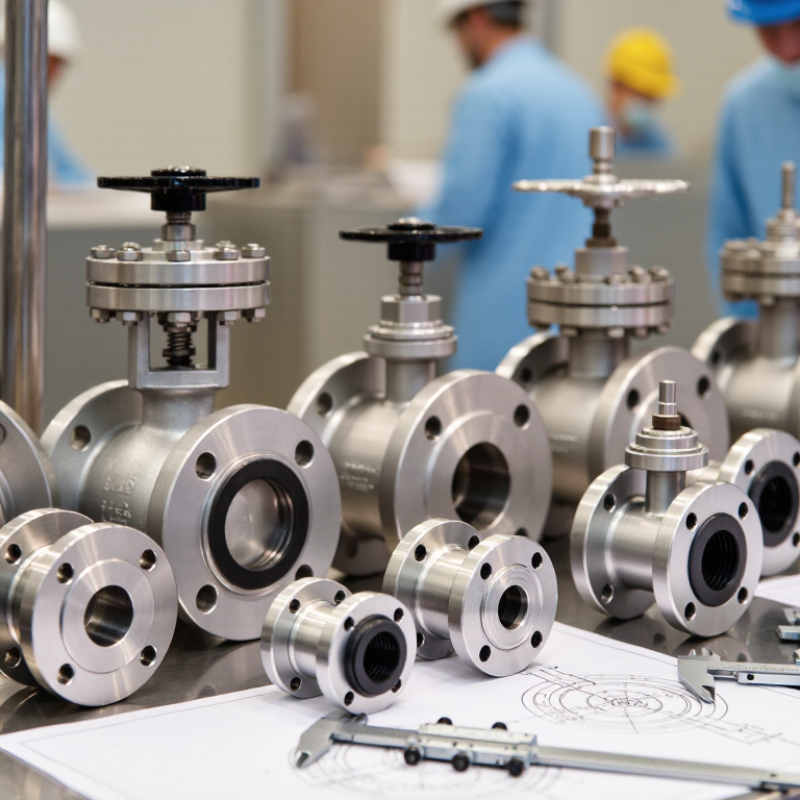
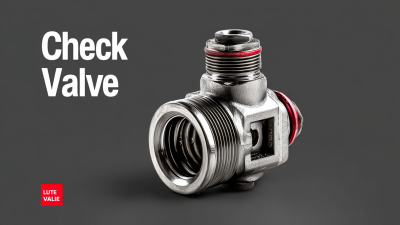
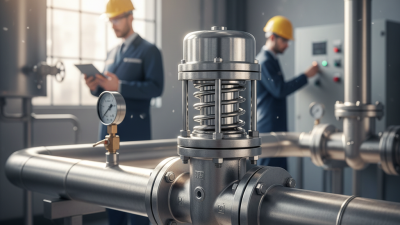
A check valve allows fluid to move in one direction and closes when flow reverses. This basic action helps protect pumps, limit backflow, and maintain process flow. In a treatment plant, a swing check valve may sit near a pump discharge. Wastewater with solids may need another design.
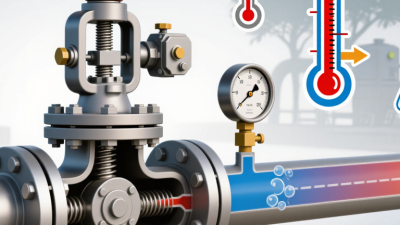
Application matters. The U.S. Department of Energy’s 2006 report, Improving Pumping System Performance, estimated that pumping systems use nearly 20% of global electricity. A poorly matched valve can add pressure loss or close too sharply, increasing wear and water-hammer risk. Small details matter: fluid viscosity, temperature, pipe orientation, and start-up frequency all affect selection.
Water systems show why these choices matter. UNESCO’s 2024 World Water Development Report states that agriculture accounts for about 70% of global freshwater withdrawals, much of it moved through pumping and irrigation networks. Check valves can help prevent drained lines and reverse flow, but they are not a cure-all. I would also check operating conditions against the valve’s pressure rating and closure behavior. That step is easy to overlook.
| Check Valve Type | How It Works | Common Industrial Applications | Typical Body Materials | Installation Considerations | Key Selection Factors |
|---|---|---|---|---|---|
| Swing check valve | A hinged disc swings open with forward flow and closes when flow stops or reverses. | Water and wastewater lines, fire-protection systems, and general process piping. | Cast iron, ductile iron, carbon steel, stainless steel | Usually installed in a horizontal line; some designs can be installed vertically with upward flow. Follow the manufacturer’s flow-direction and orientation instructions. | Allow for disc movement and consider closing speed, potential water hammer, flow rate, and available installation space. |
| Lift check valve | Flow lifts a guided disc or piston from its seat; reverse flow and gravity return it to the seat. | Steam, gas, and liquid services in process and power-generation piping. | Carbon steel, stainless steel, alloy steel | Commonly used in horizontal piping. Vertical installation is generally suited to upward flow when permitted by the design. | Check pressure drop, fluid cleanliness, orientation requirements, and compatibility with operating pressure and temperature. |
| Dual-plate check valve | Two spring-loaded plates pivot open under forward flow and close as flow decreases or reverses. | Water distribution, HVAC, pump discharge, and industrial process systems. | Ductile iron, carbon steel, stainless steel | Compact wafer or lug-style designs fit between pipeline flanges. Confirm flange compatibility, flow direction, and permitted orientation. | Consider face-to-face dimensions, spring characteristics, pressure loss, and the likelihood of flow surges. |
| Ball check valve | A ball moves away from the seat during forward flow and returns to the seat to block reverse flow. | Wastewater, drainage, slurry, and some low-pressure liquid services. | Cast iron, ductile iron, stainless steel; elastomer-coated balls are used in some designs | Installation orientation depends on the valve design. Provide access for inspection where solids or deposits may accumulate. | Verify ball and seat compatibility, solids-handling needs, fluid viscosity, and the manufacturer’s operating limits. |
| Axial-flow (nozzle) check valve | A guided disc moves axially and typically uses a spring to assist rapid closure. | Compressor and pump discharge lines, power plants, and critical process systems. | Carbon steel, stainless steel, alloy steel | Can be installed in horizontal or vertical lines when allowed by the specific design. Observe the marked flow direction. | Often selected where fast closure and low pressure loss are important; assess flow conditions and transient-pressure risk. |
| Tilting-disc check valve | A disc pivots around an offset axis, opening with forward flow and closing as flow reverses. | Large-diameter water, cooling-water, and industrial pipeline systems. | Carbon steel, stainless steel, ductile iron | Requires suitable clearance for the disc and correct alignment with the pipeline. Installation options vary by design. | Evaluate line size, operating flow range, closure behavior, pressure drop, and maintenance access. |
| Selection note: Material, pressure rating, temperature limits, end connections, and installation orientation depend on the specific valve design and service conditions. Confirm the applicable project specifications and manufacturer documentation before purchasing or installation. | |||||