2026 Best Vacuum Relief Valve Types for Global Buyers
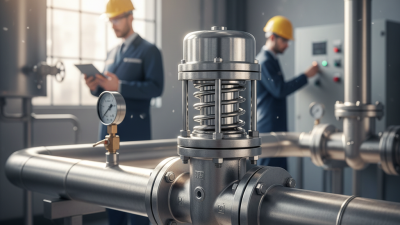
A vacuum can develop when a tank cools, a pump removes liquid, or contents are discharged faster than replacement air enters. The resulting pressure difference may deform equipment or interrupt a process. A Vacuum Relief Valve admits air or another approved gas when internal pressure falls below a selected set point. The right choice depends on more than pipe size. Small details matter.
This guide compares common designs, including spring-loaded, weighted, and pilot-operated valves, and explains where each may fit. It considers set pressure, required flow capacity, connection size, materials, temperature, and the cleanliness of the process. For example, a stainless-steel valve may suit a washdown environment, while a sensitive vessel may need carefully controlled opening pressure. These are starting points, not universal rules.
Global buyers also need to review documentation, testing records, spare-part availability, and the manufacturer’s stated operating limits. Applicable requirements can differ by destination and industry, so confirm specifications with qualified engineering personnel before purchase. A low price can hide a mismatch in capacity or materials. That is not trivial. Even experienced teams can overlook how quickly a system may pull vacuum during an upset. The comparisons ahead are intended to make selection more systematic, while recognizing that real installation conditions may challenge a catalog recommendation.
What Vacuum Relief Valves Do and Where They Are Used
A vacuum relief valve protects a vessel when its internal pressure drops below a safe set point. It opens and admits air or an approved blanketing gas. This can happen when pumps empty a tank quickly, cold weather contracts vapor, or steam condenses during cleaning. Without enough incoming gas, a tank’s shell may buckle inward. Not a minor detail. The valve must match the tank’s allowable vacuum, flow rate, and process conditions. API Standard 2000 covers venting for storage tanks operating from full vacuum to 15 psig, offering a useful reference range for engineers.
These valves are used on bulk liquid storage tanks, process vessels, and terminal tanks. EPA’s AP-42, Chapter 7.1, evaluates storage-tank emissions through standing and working losses, linked to temperature changes and liquid movement. Those same operating cycles can change tank pressure. A valve that is too small may not admit gas fast enough; one set incorrectly may open too often. Fit matters. Check the actual pumping rate, gas compatibility, and discharge arrangement before selecting a valve. Real installations can be messier than design sheets suggest, so field conditions deserve a second look.
How Vacuum Relief Valves Respond to Pressure Changes
A vacuum relief valve reacts to the pressure difference between a tank and the surrounding air. When liquid is withdrawn or a tank cools, internal pressure can fall. Once the vacuum reaches the valve’s set point, the disc lifts and admits air or an approved gas. It closes again as pressure approaches the set range. The reference matters: NIST defines standard atmospheric pressure as 101.325 kPa, but actual site pressure changes with elevation and weather. A valve selected without considering those conditions may not behave as expected.
API Standard 2000 addresses normal and emergency venting as separate sizing cases. For vacuum protection, engineers should check the required flow, allowable tank vacuum, set pressure, and pressure losses through inlet piping. Small details count. A long, narrow inlet can restrict flow just when the tank needs it most. Spring-loaded and weight-loaded designs can respond differently to vibration, fouling, and orientation, so the operating environment matters as much as the catalogue rating. Calculations help, but they do not reveal every field issue; a dirty seat or poor maintenance can delay reseating. That deserves a second look.
2026 Best Vacuum Relief Valve Types for Global Buyers — How Vacuum Relief Valves Respond to Pressure Changes
As vessel pressure becomes more negative than the illustrative opening threshold, a vacuum relief valve admits air to reduce the vacuum. It closes as pressure recovers. The plotted pressure values and thresholds are conceptual examples, not product specifications; actual set points and response depend on valve design and application.
Main Vacuum Relief Valve Types and Their Key Differences
Main Vacuum Relief Valve Types and Their Key Differences
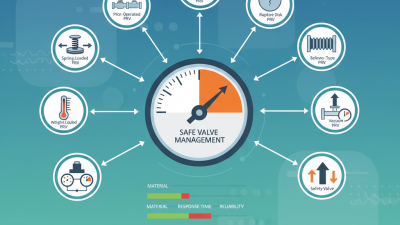
A vacuum relief valve admits air when a vessel’s internal pressure falls below a defined limit. This helps protect tanks from collapse during draining, cooling, or rapid vapor condensation. The right type depends on required airflow, set pressure, operating conditions, and maintenance access.
Weighted pallet valves use a movable disc and added weights to establish the opening point. Their simple construction suits many tank applications, but installation must follow the manufacturer’s orientation requirements.
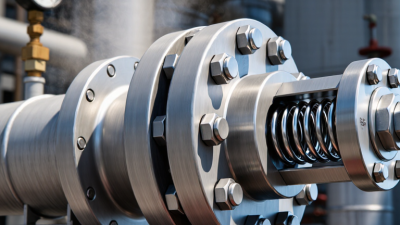
Spring-loaded valves use a calibrated spring instead, often allowing a compact design and adjustable setpoint. Spring condition and deposits on the seating surface can affect performance over time. Small details matter.
Pilot-operated valves use a pilot mechanism to control a larger main valve. They can support high flow rates and precise control, but their added passages and components need clean, suitable service conditions. They may be more involved to inspect.
Buyers should compare certified capacity data, leakage performance, materials, and expected vacuum range—not just connection size. A valve that opens at the right pressure may still be undersized for a sudden pump-out, a detail easy to overlook.
How to Select a Valve for Your Process and Operating Conditions
2026 Best Vacuum Relief Valve Types for Global Buyers
Vacuum relief valves admit air or another specified gas when vessel pressure falls below a safe limit. Common options include weighted-pallet and spring-loaded designs. Weighted valves can suit low-pressure storage tanks with steady conditions. Spring-loaded models offer compact control where space or set-point needs differ. Pilot-operated designs may be considered for larger or more demanding systems, but their added complexity needs careful review. The right choice depends on the vessel, not just the valve category.
Start with the vessel’s allowable vacuum and the maximum expected rate of pressure change. A pump-out line, cooling batch, or sudden liquid withdrawal can create different air demands. Check the required relief capacity, operating temperature, process gas, and possible corrosion or contamination. Also confirm the connection, installation orientation, and whether the inlet needs filtration. Small details matter. A valve sized from normal flow alone may not protect a vessel during an upset. Request documented capacity and set-point data, then compare them with your process calculations. I’d review the assumptions twice; field conditions are rarely perfectly tidy.
Tips: Record the vessel volume, operating range, and worst-case withdrawal rate before contacting a supplier. Ask how the valve performs at your actual set point, and keep units consistent across drawings and data sheets. A short review with the process and maintenance teams can catch a mismatch early.
Global Standards, Materials, and Sourcing Considerations for 2026
In 2026, buyers should define service conditions before comparing vacuum relief valve types. For storage tanks, applicable venting guidance may include ISO 28300 or API 2000, but local codes and project specifications still need review. Confirm the vessel’s design vacuum, required airflow, operating temperature, and whether it handles clean air or process vapor. Small details matter. A valve chosen by connection size alone may not protect a tank during pump-out or rapid cooling.
Material selection should reflect the actual fluid and site conditions. Stainless steel can suit many corrosive environments, while coated or carbon steel may be appropriate for other services. Check seat and seal compatibility, especially where vapors, cleaning agents, or temperature swings are present. Ask how the valve performs after exposure to dust or condensation; catalog data may not answer that. This is an area where buyers sometimes assume too much.
For global sourcing, request the sizing basis, set-point tolerances, flow-test evidence, material traceability, and inspection records. Ensure documents match the supplied valve and its configuration. Confirm local approval needs, spare-part availability, packaging, and realistic delivery times before placing an order. A polished certificate pack helps, but it does not replace checking the stated test scope and operating limits.
 North American Safety Valve Industries, Inc.