10 Best Pressure Relief Valve Manufacturers in 2026
Pressure Relief Valve technology is becoming more important as industrial systems operate under higher pressures, tighter emissions rules, and stricter maintenance expectations. In refineries, steam plants, chemical facilities, and large process lines, one small valve can protect an entire production unit. When pressure rises unexpectedly, the device must respond quickly, seal correctly, and discharge safely.
Industry forecasts show continued market expansion. Grand View Research, Fortune Business Insights, and MarketsandMarkets all identify rising demand for industrial valves, supported by energy infrastructure, chemical processing, power generation, and expanding manufacturing capacity. Their projections differ because each report uses different product definitions and regional coverage. That difference deserves attention. Market numbers are useful, but they should not replace engineering judgment.
Standards and field performance matter more than impressive brochures. API 520, API 526, ASME Section VIII, and ISO 4126 provide important design and testing references for pressure protection applications. However, certification alone does not guarantee suitability. Engineers must still examine set pressure, backpressure, temperature, fluid compatibility, corrosion exposure, maintenance access, and emergency discharge routing.
This guide reviews 10 Best Pressure Relief Valve Manufacturers in 2026. The comparison considers product range, manufacturing experience, testing capabilities, certifications, service networks, and documented application expertise. It also recognizes a practical limitation: no manufacturer is ideal for every plant or operating condition. A valve that performs well on a steam header may be unsuitable for corrosive chemicals or two-phase flow.
The goal is a reliable shortlist, not a simplistic winner. Real safety depends on correct selection, installation, inspection, and ongoing maintenance.
What Is a Pressure Relief Valve and Why Does It Matter?
What Is a Pressure Relief Valve and Why Does It Matter?
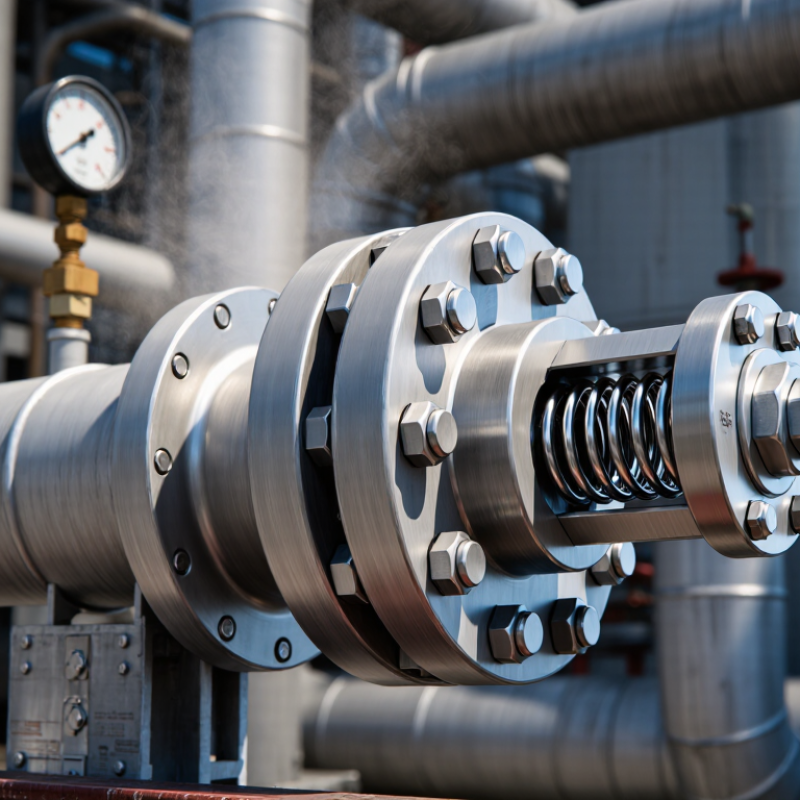
A pressure relief valve protects vessels, pipelines, and process equipment from dangerous overpressure. It opens automatically when system pressure reaches a set limit. The valve then releases fluid until pressure returns to a safer range. This action can prevent ruptured tanks, damaged instruments, and costly production shutdowns.
Its importance is supported by engineering standards and market data. ASME Boiler and Pressure Vessel Code Section VIII requires suitable overpressure protection for many pressure vessels. ISO 4126 also defines safety-device performance requirements. A 2024 Grand View Research analysis estimated the global pressure relief valve market at several billion U.S. dollars, with continued growth driven by energy, chemical, and water infrastructure projects. The exact figures vary between reports. That difference deserves attention, not blind acceptance. A valve’s value depends on correct sizing, set pressure, discharge routing, and maintenance.
Tips: Check the nameplate against current operating conditions. Confirm the set pressure during planned inspections. Look for corrosion, blocked outlets, leaking seats, or unusual vibration. A clean-looking valve may still fail internally. Testing should follow applicable site procedures and recognized standards. Operators should also record inspection dates, test results, and any adjustment history. Small records prevent large assumptions. In practice, selecting a valve only by pipe size is a common mistake. Engineers should evaluate fluid type, temperature, backpressure, flow capacity, and credible failure scenarios before approval.
How to Evaluate Pressure Relief Valve Manufacturers in 2026
How to Evaluate Pressure Relief Valve Manufacturers in 2026
A strong manufacturer should prove performance, not only display certificates. Review set-pressure accuracy, blowdown control, allowable backpressure, and sizing records. API 520 and API 527 remain useful benchmarks for sizing and seat tightness. Ask for witnessed test results, material certificates, and calibration histories. Missing traceability is a serious warning sign.
Market data also deserves context. The 2024 Industrial Valve Market report by MarketsandMarkets estimates growth from about USD 77.7 billion in 2024 to USD 96.7 billion by 2029. This expansion may increase supplier choice, but it can also reward superficial claims. Compare production capacity, testing equipment, failure-response time, and field-service coverage. A supplier with fast delivery is not automatically reliable. In practice, technical support after installation often matters more than the purchase price.
Tips: Request a sample inspection file. Check serial numbers against test documents. Confirm whether testing covers your fluid, temperature, and pressure range. Speak with maintenance engineers, not only sales staff. I would also inspect one valve before approving a large order. This takes time. It may prevent an expensive mistake. A polished audit can still miss weak documentation or inconsistent machining, so independent verification remains worthwhile. Industry reports provide direction, but plant-specific evidence should control the final decision.
10 Best Pressure Relief Valve Manufacturers in 2026
How to Evaluate Pressure Relief Valve Manufacturers in 2026
Use this weighted evaluation framework to compare pressure relief valve manufacturers without relying only on brand recognition. The criteria reflect commonly required purchasing, engineering, quality, and compliance considerations for industrial safety valves.
Recommended evaluation weights: technical compliance and sizing capability are prioritized alongside quality assurance, testing, material traceability, service support, delivery performance, and total cost of ownership. Confirm applicable requirements against standards such as API 520, API 526, API 527, ASME Section VIII, and ISO 4126 for each project.
Top 10 Pressure Relief Valve Manufacturers and Their Key Strengths
10 Best Pressure Relief Valve Manufacturers in 2026
Top 10 Pressure Relief Valve Manufacturers and Their Key Strengths
In 2026, the leading ten manufacturers distinguish themselves through tested performance, material control, and practical engineering support. One excels in precision spring-loaded valves for chemical processing. Another focuses on pilot-operated designs that handle unstable pressure. A third specializes in cryogenic service, using stainless steel components and low-temperature testing. Strong sanitary-valve producers serve food, beverage, and pharmaceutical facilities with polished, easy-clean surfaces. Reliability starts with testing.
A manufacturer known for severe-service equipment supports high-temperature steam and abrasive process fluids. Another offers compact valves for oil, gas, and utility skids, where limited space creates installation problems. A sixth strength is custom sizing, including unusual inlet pressures and discharge requirements. One established producer provides digital monitoring, helping technicians identify leakage before it becomes costly. Data can be useful. It can also mislead.
The remaining leaders stand out through rapid spare-parts support and documented quality systems. One maintains regional service centers, reducing downtime during inspections. Another combines finite-element analysis with full-pressure bench testing for demanding applications. Buyers should examine certified materials, calibration records, response times, and field experience. I would not rank every supplier by catalog size alone. A large portfolio may hide weak after-sales support. Real performance depends on correct sizing, installation, and maintenance. Even a well-made valve can fail when discharge piping causes backpressure, vibration, or restricted flow.
Comparing Valve Types, Industries, Certifications, and Global Reach
Selecting the 10 best pressure relief valve manufacturers in 2026 requires more than comparing prices.
Valve type, operating pressure, temperature, fluid, and maintenance access all matter. Spring-loaded safety valves suit many process systems, while pilot-operated designs support higher flow capacity and tighter control. Rupture discs can provide rapid emergency protection, but they are single-use components.
Industrial demand remains substantial.
Grand View Research estimates the global industrial valves market reached about USD 78.7 billion in 2023, with continued growth expected through 2030.
This expansion reflects investment in energy, chemicals, water treatment, and manufacturing. Each industry needs different evidence. Oil and gas projects often examine API 526 dimensions and API 527 seat-tightness testing. Pharmaceutical facilities may prioritize hygienic materials, traceability, and cleanable designs. Power plants typically require documented pressure testing and high-temperature performance.
Certifications reveal manufacturing discipline, but they do not guarantee field success. Look for ISO 9001 quality systems, ASME Boiler and Pressure Vessel Code compliance, and applicable regional approvals under frameworks such as the European Pressure Equipment rules.
Global reach should include nearby testing, spare parts, calibration support, and multilingual documentation. A supplier with factories worldwide may still lack practical service in your region.
That weakness is easy to overlook. Selection teams should review failure records, inspection reports, material certificates, and response times before ranking manufacturers. A ranking can still mislead.
Real reliability appears after installation, not inside a brochure.
How to Select the Right Manufacturer for Your Application
Selecting among the 10 best pressure relief valve manufacturers in 2026 requires more than comparing prices. The right supplier must understand your fluid, pressure range, temperature, corrosion risk, and installation environment. Grand View Research estimates that the global pressure relief valve market will continue expanding through 2030, driven by stricter process safety requirements and industrial investment. Growth alone does not prove quality.
Ask for documented testing, material certificates, calibration records, and traceable serial numbers. Confirm whether the manufacturer designs valves to relevant requirements, such as API 526, ISO 4126, or ASME Section VIII. A supplier should also explain set-pressure tolerances, blowdown performance, back-pressure limits, and maintenance intervals in clear language. Vague answers are a warning sign.
Field experience matters. A competent manufacturer can review a real process sketch, identify two-phase flow risks, and recommend suitable trim materials. Request references from facilities with similar media and operating conditions. The Global Market Insights pressure relief valve report identifies oil and gas, power generation, and chemical processing as major demand sectors, but each application behaves differently. A valve proven in steam service may perform poorly with corrosive liquids.
Consider local service coverage, spare-part availability, and response time during an unplanned shutdown. Total ownership cost is more useful than purchase price.
I would still challenge every calculation. Supplier data can contain assumptions that do not match your plant. Independent engineering review, witnessed testing, and a practical maintenance plan provide stronger confidence than a polished catalogue.
 North American Safety Valve Industries, Inc.