2026 Best Water Pressure Regulator Valve Types?
Choosing the best Water Pressure Regulator Valve in 2026 requires more than comparing prices or advertised flow rates. A reliable regulator protects pipes, faucets, appliances, and water heaters from excessive pressure. It can also reduce banging sounds and uneven shower performance. However, the right choice depends on your building, inlet pressure, water quality, and expected demand.
This guide examines common valve types, including direct-acting, pilot-operated, adjustable, and integrated filter regulators. Each design responds differently to changing flow conditions. A compact direct-acting valve may suit a small home with steady demand. A pilot-operated model can perform better in larger buildings or systems with frequent pressure changes. Stainless steel, brass, and composite bodies also offer different balances of durability, corrosion resistance, cost, and maintenance.
Real-world installation details matter. A pressure gauge makes testing easier. A bypass line can simplify servicing. A strainer may prevent sediment from damaging internal parts. Before selecting a model, measure static and flowing pressure at several fixtures. Do not rely on one reading. Water conditions can change during peak use.
Professional advice remains valuable.
A qualified plumber can verify pipe size, connection standards, relief protection, and local installation requirements. Manufacturer instructions should guide adjustment ranges and replacement intervals. Some recommendations may appear universal, but they are not. Even experienced installers can overlook pressure spikes, undersized outlets, or neglected filters. This comparison offers practical guidance, while recognizing that the best valve is the one correctly matched, installed, and maintained for its actual water system.
What a Water Pressure Regulator Valve Does and Why It Matters
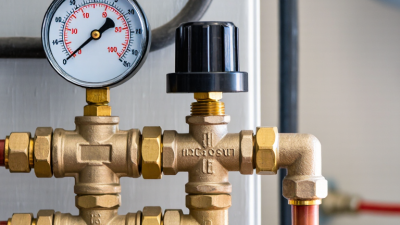
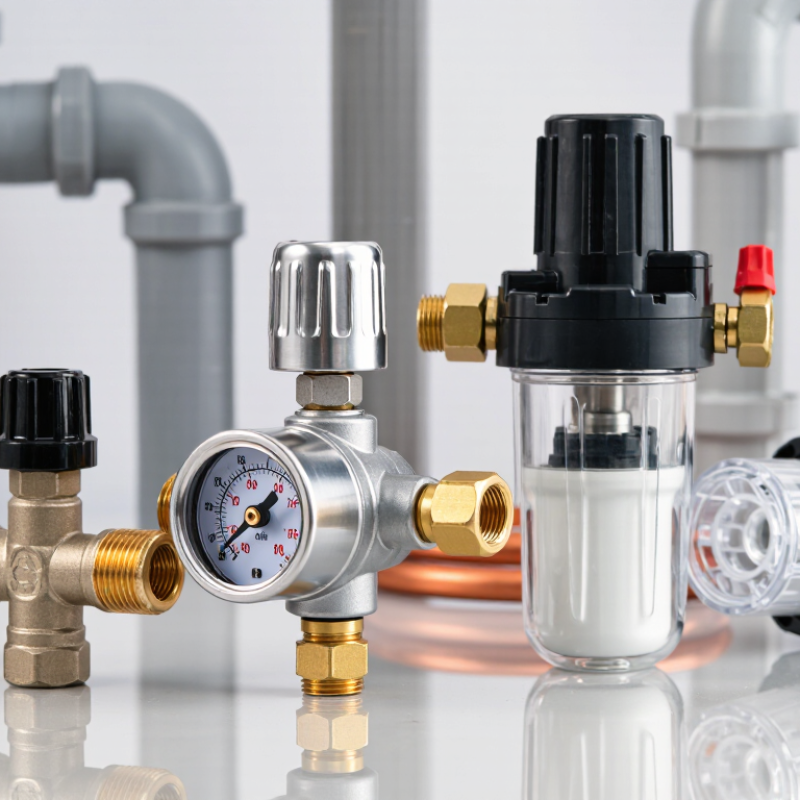
A water pressure regulator valve controls incoming water pressure before it reaches household fixtures. City mains can deliver pressure higher than pipes, heaters, and appliances safely tolerate. The valve reduces that pressure and keeps it within a steadier working range. In practical terms, it protects shower valves, washing machines, and flexible supply lines from unnecessary stress. A pressure gauge helps confirm conditions, because guessing from a weak shower is unreliable. Small detail, big consequence.
When pressure is excessive, faucets may hiss, toilets may refill noisily, and pipe joints can develop slow leaks. Water hammer may also become more noticeable when valves close quickly. A regulator cannot repair damaged plumbing or compensate for a blocked filter. It needs correct sizing, clean installation, and periodic testing. Based on common maintenance observations, checking pressure at different times is wise. Evening readings may differ from early morning readings. Many homeowners check once and stop. That can be a mistake.
The best regulator type depends on flow demand, pipe size, water quality, and adjustment range. Piston designs suit many residential systems, while diaphragm designs can respond well to changing conditions. Neither is automatically superior. A qualified plumber should measure static and flowing pressure, inspect the strainer, and set outlet pressure conservatively. Installation instructions and local plumbing requirements still matter. I would not choose by price alone. A quiet, stable system is the real test, although even a good valve may need service as seals age.
Main Types of Water Pressure Regulator Valves in 2026
2026 Best Water Pressure Regulator Valve Types?
Main Types of Water Pressure Regulator Valves in 2026
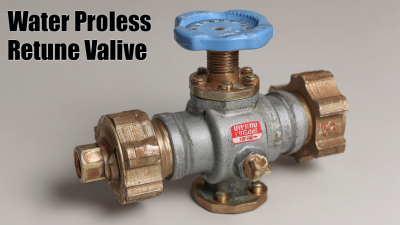
Direct-acting spring-loaded valves remain common in homes and small buildings. A spring pushes against a diaphragm, controlling outlet pressure as demand changes. They are compact, affordable, and easier to adjust during routine service. Installers often choose them for steady municipal supply lines and ordinary household fixtures. However, their response may become less stable under sudden, heavy flow. That detail is easy to overlook.
Diaphragm regulators suit many residential and light commercial systems because they respond smoothly to pressure changes. Piston-style regulators offer strong mechanical control and can tolerate demanding service conditions. Their internal surfaces still need clean water and periodic inspection. Sediment can affect movement, even when the valve appears correctly adjusted. In my experience, a pressure gauge before and after the valve reveals problems faster than noise alone.
Pilot-operated regulators are designed for larger pipes, higher flow rates, and facilities needing tighter pressure control. A small pilot valve manages the main valve, allowing more accurate regulation across changing demand. They require careful installation and more technical maintenance. Electronic pressure-control valves add sensors, alerts, and remote adjustment features in newer water systems. These features improve monitoring, but they introduce wiring and software concerns. Smart control is useful, not automatically better. Valve sizing, inlet pressure, flow demand, and water quality should guide the final selection.
2026 Best Water Pressure Regulator Valve Types
Typical adjustable outlet-pressure ranges by main valve type
Direct-acting spring-loaded, diaphragm, piston, and pilot-operated regulators are the main water pressure regulator valve types used in 2026. Pilot-operated valves generally support the highest outlet-pressure ranges and are preferred for larger, steadier-flow systems, while direct-acting and diaphragm designs are common for residential and light commercial installations. The ranges shown are representative engineering ranges in psi; actual settings depend on the valve size, water temperature, inlet pressure, local code, and manufacturer specifications.
How to Compare Valve Materials, Pressure Ranges, and Flow Rates
2026 Best Water Pressure Regulator Valve Types?
Material selection should follow water chemistry, temperature, and installation location. Brass offers strong threads and stable performance for many residential systems. Stainless steel resists corrosion better, especially near coastal air or aggressive water. Polymer valves can reduce cost and weight, but sunlight and heat may shorten service life. For drinking-water installations, confirm compliance with NSF/ANSI/CAN 61. Material safety matters more than appearance.
Pressure range needs careful matching. Many residential regulators operate around 25–75 psi, but the correct setting depends on fixtures, elevation, and local requirements. A narrow range can improve adjustment accuracy. A wider range may support unusual applications. Check pressure under flowing conditions, not only static pressure. The U.S. EPA WaterSense program reports that household leaks can waste more than 10,000 gallons yearly. Poor regulation can worsen that waste. Small losses add up.
Flow rate is the less visible decision. Compare the valve’s rated gallons per minute at a stated pressure drop. ASPE design guidance commonly applies the relationship Q = Cv√(ΔP/SG), helping engineers estimate capacity. The U.S. Geological Survey reported about 39 billion gallons per day of public-supply withdrawals in 2015. That scale makes efficient control relevant. I would not choose the largest valve automatically. Oversizing may reduce control stability. I have also seen published flow figures confuse static pressure with working pressure. That deserves a second check.