Choosing a Water Pressure Regulator Valve is not simply a matter of matching pipe size. The valve must respond to real water conditions inside the building. Static pressure may look acceptable when every tap is closed, yet pressure can fall sharply when a shower, washing machine, and garden hose operate together. That difference matters.
Plumbing expert Richard Trethewey explains, “Water pressure is the force that pushes water through your pipes.” His point gives this topic a practical foundation. A suitable regulator should control excessive pressure without starving fixtures of flow. Check the incoming pressure, desired outlet pressure, connection type, flow rate, and adjustment range. A pressure gauge can reveal problems that a quick visual inspection misses. Sometimes, the quiet valve is working hardest.
This guide examines how to choose a Water Pressure Regulator Valve for residential and light commercial systems. It considers brass and composite bodies, serviceable strainers, bypass features, certified materials, and installation access. A valve hidden behind a finished wall may be difficult to adjust or replace later. That is an avoidable mistake.
Manufacturer instructions and local plumbing requirements still deserve careful attention. Product names can sound convincing. They do not replace specifications. A larger valve is not automatically better, either; oversized equipment may regulate poorly at low demand. The best choice balances pressure stability, flow performance, maintenance needs, and long-term reliability. Some assumptions will need reconsideration after testing the actual system. That is normal. Good selection begins with measured facts, not guesswork.
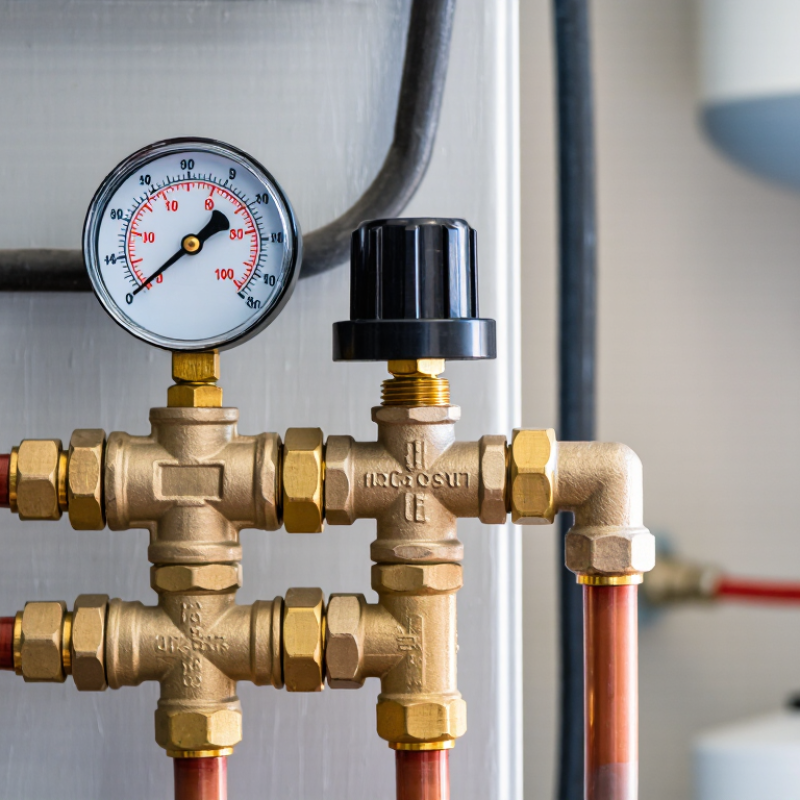
A water pressure regulator valve controls incoming water pressure before it reaches household pipes and fixtures. Municipal supply pressure can fluctuate, especially at night or during peak demand. The International Plumbing Code requires pressure-reducing protection when static pressure exceeds 80 psi. Excess pressure may cause dripping faucets, noisy pipes, damaged appliances, and premature fitting failure.
The valve reduces high supply pressure to a safer, steadier level. It also helps protect washing machines, water heaters, and filtration equipment. The U.S. Environmental Protection Agency reports that household leaks waste nearly 1 trillion gallons of water annually in the United States. High pressure does not cause every leak, but it can worsen weak seals and hidden joints. That detail is easy to miss.
Check pressure with a gauge attached to an outdoor hose connection. Test it when no fixture is running. A reading near 60 psi is commonly suitable for residential use, though local codes and building conditions may differ. A practical installation should include an accessible shutoff valve, a bypass consideration, and enough clearance for adjustment.
Field inspections often reveal regulators installed backward or without service access. Small mistake. Another concern is pressure creep, which occurs when downstream pressure rises slowly after water use stops. A thermal expansion tank may be necessary in closed plumbing systems. The U.S. Department of Energy notes that water heating represents about 18% of home energy use, so stable pressure can also support reliable heater operation. Yet a regulator cannot repair corroded pipes or compensate for poor installation. A qualified plumbing professional should verify the final setting and inspect the entire system.
Choosing a water pressure regulator valve starts with measuring your system, not guessing from pipe size. Check static pressure with every fixture closed. Then record dynamic pressure while a shower, faucet, or hose outlet runs. A single reading can mislead.
The International Plumbing Code generally requires pressure control when static supply pressure exceeds 80 psi. Many homes operate comfortably near 40–60 psi, but appliances and local codes may differ. Measure pressure at the regulator inlet and at the farthest fixture. A large drop suggests undersized piping, clogged screens, or excessive demand.
Flow matters just as much as pressure. List fixtures that may operate together, such as two showers, a washing machine, and a kitchen faucet. WaterSense criteria limit labeled showerheads to 2.0 gallons per minute. The Water Research Foundation’s Residential End Uses of Water, Version 2, reports average indoor use near 138 gallons per person daily, with leaks averaging about 17 gallons daily. Those figures reveal why unstable pressure deserves attention.
Do the calculation.
Add expected simultaneous flow, then compare it with the service line’s measured capacity. Select a valve whose flow range covers normal demand without creating a sharp pressure loss. Oversizing can reduce control accuracy at low flows. Undersizing can cause weak showers and slow tank filling. I have seen homeowners replace a regulator when a blocked inlet screen caused the real problem. Recheck pressure after installation, especially during peak use, and question any result that seems perfect.
Choosing a water pressure regulator valve starts with the system’s actual demands, not the pipe label. In residential lines, direct-acting valves are usually compact and responsive. Pilot-operated valves suit larger, steadier flows, but they need cleaner water and more careful servicing. Combination valves can add filtration or pressure relief, although extra features may complicate maintenance. I have found that a pressure gauge installed nearby reveals problems that sound alone can hide.
Material selection affects service life and water compatibility. Brass offers dependable strength for many indoor systems. Stainless steel handles demanding environments better, especially where corrosion is a concern. Engineered polymers can reduce weight and cost, but temperature and impact limits require close inspection. Check wetted materials against local plumbing requirements and the water’s chemistry. A valve can look robust and still fail early.
Size the valve by flow rate and connection standard, not simply by matching the pipe diameter. An oversized valve may control poorly at low demand, while an undersized valve can create noise and unnecessary pressure loss. Measure static and working pressure with a gauge. Then select an adjustment range that places normal operating pressure near its middle, rather than at either extreme. Many household systems need a moderate setting, but the correct value depends on fixtures, appliances, and local rules. I once chose a wider range for flexibility; it worked, but adjustment became less precise than expected. That decision deserved more testing.
How to Choose a Water Pressure Regulator Valve?
Choosing a water pressure regulator valve starts with the installation conditions. Measure the incoming pressure with a reliable gauge, preferably during different usage periods. Static pressure can look acceptable while pressure rises sharply overnight. Check the pipe diameter, available space, flow demand, and installation direction. The valve should remain easy to reach. Leave room for gauge readings and future servicing. Do not hide it behind permanent walls.
Safety features deserve close attention. Select a valve made from suitable, tested materials for potable water systems. A built-in strainer can catch rust and grit before they damage internal parts. An adjustable pressure range helps match household fixtures and appliances. Add a pressure relief device where local requirements or system design call for one. Excessive pressure can split flexible hoses. Small leaks become serious quickly.
Maintenance needs are easy to underestimate. Install isolation shutoff valves on both sides when possible. They simplify cleaning and reduce repair time. Inspect the gauge, fittings, and discharge points every few months. Clean the strainer when pressure drops or flow becomes uneven. Follow the manufacturer’s service instructions and local plumbing codes. Even careful installers can miss restricted access. That mistake matters later. A regulator that performs well today may need diaphragm replacement after years of cycling, sediment, or pressure changes. Record the installation pressure and service dates. That simple habit makes future troubleshooting less uncertain.
A practical selection framework based on installation conditions, safety features, and maintenance needs.
Check inlet pressure, flow demand, pipe size, connection type, water temperature, and available installation space before selecting the valve.
Confirm that the valve is rated for the system’s maximum inlet pressure and includes a stable adjustment range, pressure relief protection, and suitable materials.
Choose a design with accessible service parts. Inspect the strainer, check pressure performance, and follow the manufacturer’s recommended maintenance interval.
The chart uses planning weights for a typical residential selection process. Actual requirements depend on local plumbing codes, system conditions, and the valve manufacturer’s specifications.
Selecting the right water pressure regulator valve starts with measured conditions, not pipe size alone. Check static pressure with all fixtures closed, then record dynamic pressure while a tap runs.
The U.S. International Plumbing Code requires pressure reduction when static pressure exceeds 80 psi.
The U.S. EPA WaterSense program reports that household leaks waste nearly one trillion gallons annually, so unstable pressure deserves attention.
Choose a valve rated for your maximum inlet pressure, expected flow, water temperature, and connection type. A household system often operates near 50–60 psi, but the correct setting depends on appliances, building height, and local plumbing requirements.
A washing machine may tolerate pressure that harms older toilets or noisy fixtures. Do not oversize the valve blindly; low-flow accuracy can suffer.
Set the valve slowly.
Install a reliable gauge downstream. Open one faucet, adjust the screw in small turns, and close the faucet before checking static pressure. Clockwise usually increases pressure, but instructions differ.
After adjustment, test a shower, toilet fill, and appliance connection. A perfect static reading can still hide pressure loss during demand.
I have found this easy to overlook.
Recheck the gauge after several hours and inspect joints for vibration, dripping, or water hammer. Record the final setting, because memory is not a maintenance plan.