How to Choose the Right Water Pressure Valve for Your Needs?
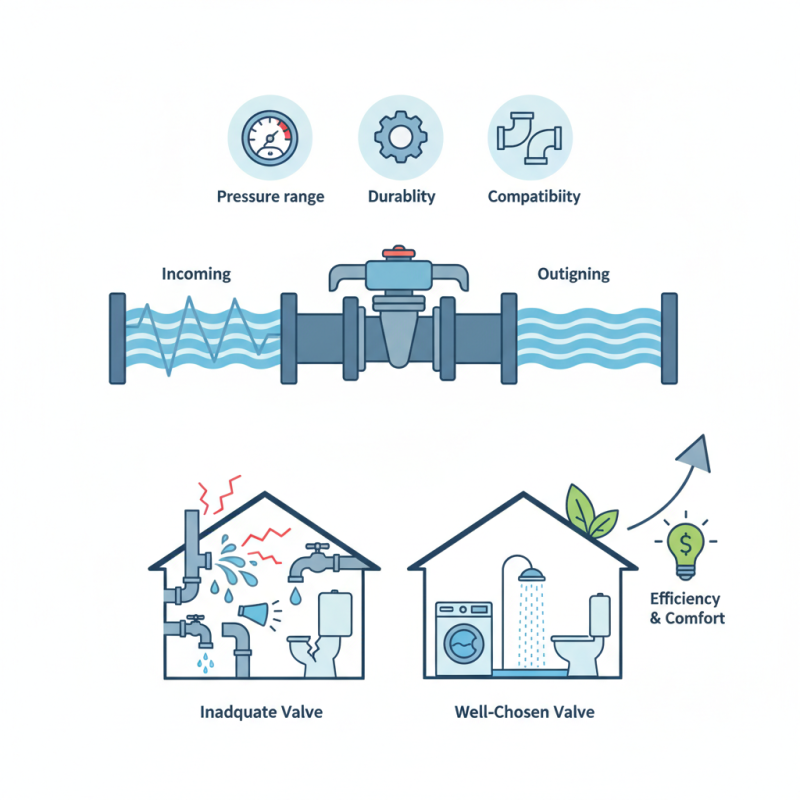
Choosing the right Water Pressure Valve is crucial for any plumbing system. A proper valve ensures consistent water flow and helps prevent damage to pipes and fixtures. An inadequate valve can lead to fluctuating pressures, resulting in leaks, loud noises, or even burst pipes.
When selecting a Water Pressure Valve, consider your specific needs. Factors like the valve's pressure range, durability, and compatibility with existing systems are essential. Understanding these details will help you make an informed choice.
Many people often overlook their water pressure. This oversight can lead to long-term issues. A well-chosen valve contributes to household efficiency and comfort. Reflect on your current setup and assess if your valve meets your needs. Your water system deserves the best care.
Understanding Water Pressure Valves: Basic Concepts and Functions
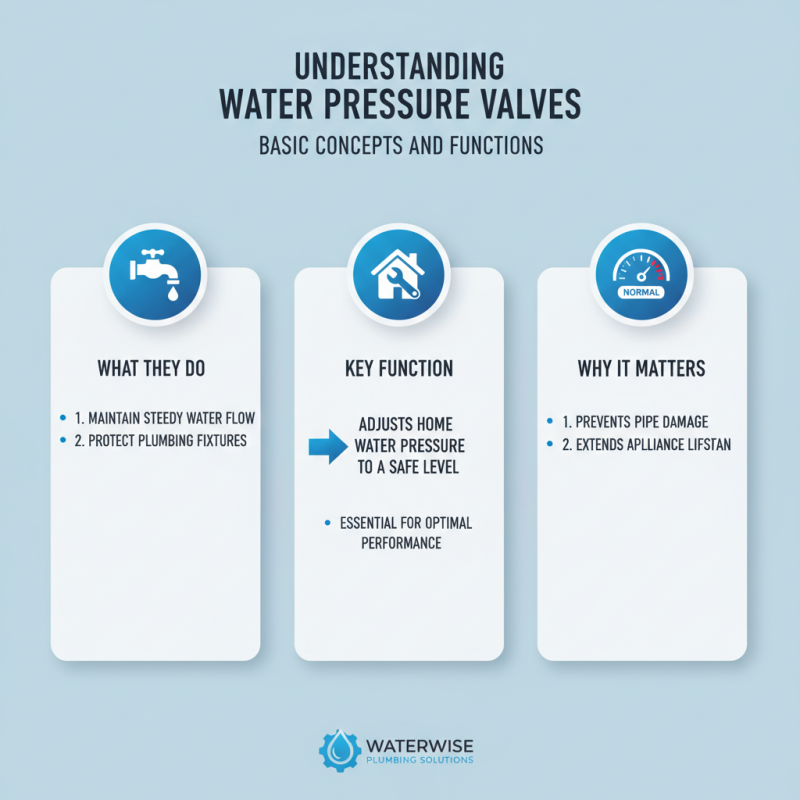
Water pressure valves play a crucial role in ensuring that plumbing systems function effectively. These valves maintain a steady flow of water and protect fixtures from damage. They adjust the pressure in your home to a safe level, which is essential for optimal performance.
Understanding the functions of water pressure valves is key. There are different types that serve specific purposes, such as pressure-reducing valves and pressure-regulating valves. Each type can handle varying levels of pressure. A good valve helps prevent leaks and other plumbing issues. Choosing the right one can be overwhelming without proper knowledge.
It's essential to consider your home's unique needs. Different households have different demands. Factors like the size of your home and water usage patterns matter. When deciding, think about your water pressure history. If you've noticed inconsistent pressure, it might be time for an evaluation. Take your time to research what works best for you, as a rushed decision could lead to future problems.
Types of Water Pressure Valves: A Comprehensive Overview
When selecting a water pressure valve, understanding the various types is crucial for ensuring optimal performance. Pressure relief valves are one popular choice. They automatically adjust water pressure, preventing damage from excessive pressure. A report from the American Society of Plumbing Engineers notes that these valves can reduce the risk of plumbing failures by up to 70%.
Another common type is the pressure reducing valve (PRV). This valve controls and stabilizes water pressure entering your home. According to industry studies, homes with PRVs report improved fixture longevity and reduced water usage. PRVs can lower water pressure from 80 psi to a safe range, which protects pipes and appliances.
On the other hand, some homeowners may overlook their specific pressure needs. Selecting a valve without thorough assessment can lead to underperformance or added strain on plumbing systems. Additionally, not all valves are compatible with every type of water system. This discrepancy can cause leaks or other plumbing issues. It's vital to ensure your chosen valve matches your system's requirements and is suitable for your home environment.
Types of Water Pressure Valves
This chart illustrates the distribution of different types of water pressure valves available in the market. Each type serves a specific purpose and is selected based on user needs.
Factors to Consider When Selecting a Water Pressure Valve
When selecting a water pressure valve, several factors require careful consideration. One primary aspect is the valve's pressure rating. Choose a valve that matches your system's needs. Valves with incorrect ratings can lead to leaks or damage. If your system operates at high pressure, an appropriate valve can prevent failures.
Another important factor is the valve size. A valve that is too small may restrict flow, causing pressure issues. Conversely, an overly large valve can lead to inefficiencies. It's crucial to measure your pipes correctly. This can be a challenging task, as small errors can have significant consequences.
Material is also a key consideration. Valves made from durable materials typically last longer. However, cheaper materials may save money initially but can lead to premature failure. Balancing cost and quality is not always easy. It's vital to consider the long-term implications of your choice and how often you want to replace the valve.
Installation and Maintenance Tips for Water Pressure Valves
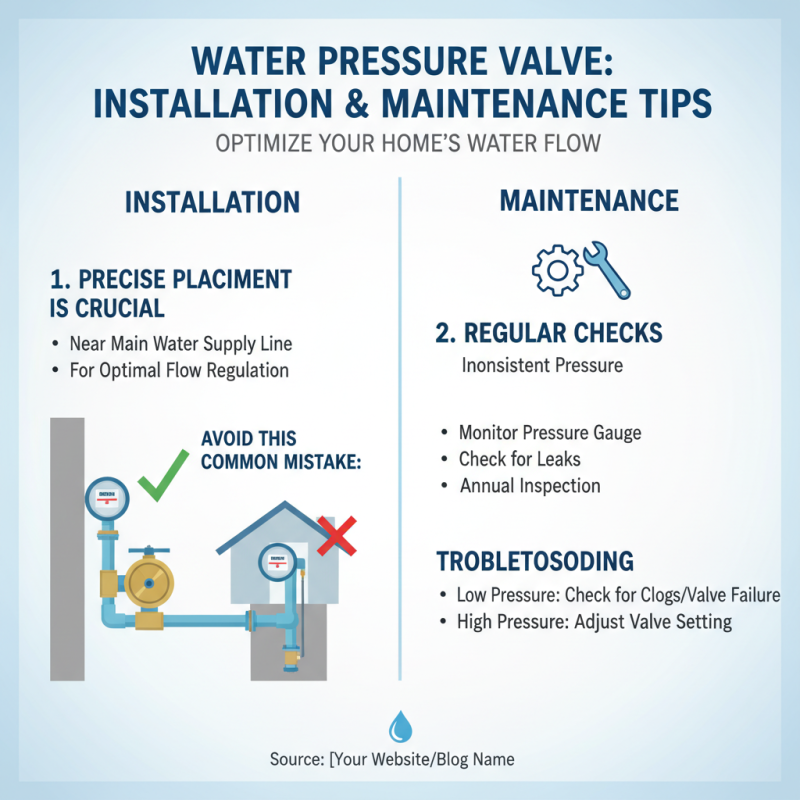
When it comes to installing a water pressure valve, precise placement is crucial. Position the valve near your water supply line for optimal flow regulation. A common mistake is placing it too far from the main supply, which can lead to inconsistent pressure throughout your system.
Routine maintenance is essential for prolonging the life of your valve. Check for leaks monthly, as even minor leaks can indicate deeper issues. If you notice irregular water pressure, it’s a sign your valve may require adjustment or replacement. It's often overlooked but checking connections is just as important; loose fittings can compromise your system’s performance.
Understanding your specific needs plays a vital role in the installation process. Are you managing high-demand appliances? The correct valve will make a significant difference. Be diligent and research the right specifications for your household. This can save you from future headaches related to inefficient water flow. Regular adjustments may be needed, especially if you notice changes in your water usage patterns. Stay proactive about your water system’s health.
Common Issues with Water Pressure Valves and Troubleshooting Solutions
Water pressure valves play a vital role in maintaining the efficiency of plumbing systems. However, issues can arise.
One common problem is fluctuating water pressure. A study by the American Water Works Association indicates that roughly
30% of households experience inconsistent water pressure. This can lead to inefficiencies in appliances and discomfort in daily use.
Another frequent issue is valve leaks. Over time, wear and tear can cause seals to degrade. According to the Environmental Protection Agency, leakages can waste
over 1 trillion gallons of water annually in the U.S. Addressing leaks promptly is crucial to conserve water and reduce costs.
Regular maintenance checks can help identify early signs of leakage.
Sometimes, homeowners may notice unusual noises from the valve. This can indicate improper installation or pressure imbalance. Simple troubleshooting might involve
adjusting the valve setting. However, if the problem persists, seeking professional advice is advisable. Understanding these common issues helps in choosing the right valve for your needs.
Regular monitoring is essential. It ensures that your plumbing remains efficient and reliable.
 North American Safety Valve Industries, Inc.