How to Choose the Right Relief Valve for Your Application?
In industrial applications, selecting the appropriate relief valve is critical for ensuring safety and efficiency. According to a recent report by the International Society of Automation, improper valve selection leads to 30% of system failures. These failures often occur during pressure spikes, leading to costly downtime and safety hazards.
Relief valves are essential in managing excess pressure in systems like boilers and pipelines. Their design must match the specific conditions of the application. Factors such as pressure ratings, flow capacity, and material compatibility should be carefully evaluated. The ASME (American Society of Mechanical Engineers) stipulates rigorous guidelines for relief valve performance, emphasizing the need for reliable and durable products.
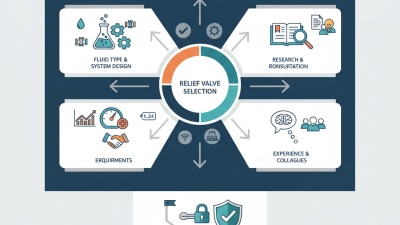
However, many users underestimate the importance of accurate selection. Common mistakes include choosing valves based on cost rather than performance metrics. This can result in inadequate pressure protection. It's vital to assess each application's unique needs with expert guidance, ensuring the chosen relief valve meets industry standards for safety and reliability.
Understanding the Different Types of Relief Valves Available
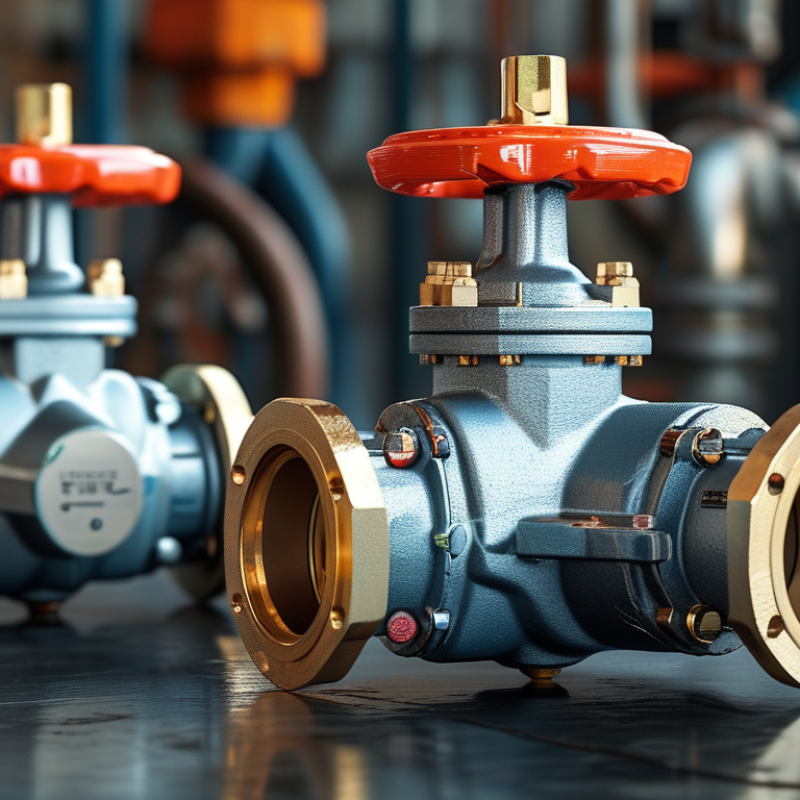
Relief valves are essential components in various systems, designed to prevent excessive pressure buildup. Understanding the different types available can greatly affect your application’s performance. There are two primary categories: spring-loaded and pilot-operated relief valves. Spring-loaded valves are simpler and often more reliable for lower pressure systems. They respond to pressure changes quickly, making them suitable for applications where quick relief is necessary.
Pilot-operated relief valves come into play in high-pressure situations. They use system pressure to keep the valve closed while allowing for precise pressure control. This type is often more complex, with more parts that could fail. It is crucial to assess the specific needs of your application when selecting a valve. For instance, a high level of precision might be required in industrial settings, while a general-purpose solution could suffice in simpler applications.
However, no valve type is universally perfect. Spring-loaded valves could wear out faster in certain conditions. On the other hand, the complexity of pilot-operated valves might introduce points of failure. Carefully considering your system's requirements is vital. It is not just about choosing a valve; it is about understanding its operational context and potential limitations.
Evaluating the Pressure and Flow Requirements of Your System
Choosing the right relief valve begins with evaluating the pressure and flow requirements of your system. Consider the maximum expected pressure and the flow rates during normal operation. According to industry reports, approximately 70% of system failures stem from an under-specified relief valve. This highlights the necessity of accurate calculations to avoid costly downtime.
Pressure levels are crucial. A relief valve should activate before the pressure exceeds safe limits. For example, the American Society of Mechanical Engineers suggests a safety factor of 10% above the system’s maximum pressure. Flow rates also matter. Insufficient flow can lead to system overload. Aim for a relief valve that can handle peak flow while maintaining efficiency.
Assess your system's unique needs. Don’t settle on a one-size-fits-all approach. Each application may have different tolerances. Use simulation software to model your system under various conditions. Testing prototypes before finalizing designs will reveal potential issues. Regularly review performance data to see how changes in your operation affect valve performance. Keeping a detailed log helps in evaluating whether your chosen relief valve meets expectations.
Considering Material Compatibility for Your Relief Valve Selection
Selecting the right relief valve involves understanding material compatibility. Different materials respond uniquely to various fluids under pressure. For instance, a valve made of stainless steel is often suitable for corrosive chemicals, while PVC can handle non-corrosive fluids better. Knowing the working environment helps prevent premature failure and enhances safety.
Observation is key in material selection. Look for data sheets that detail how each material reacts with the intended medium. Consider factors such as temperature and pressure, as they significantly affect valve performance. Some materials may degrade over time, impacting reliability. Regular inspections can help identify potential weaknesses early.
When in doubt, consult experts in valve design and material science. They can analyze specific applications and recommend the best options. Use their knowledge to ensure that you choose materials that meet your specific operational needs. Make sure to document your findings to aid in future decisions.
Analyzing Safety Standards and Regulations for Relief Valves
Selecting the proper relief valve is crucial for safety and efficiency. Understanding safety standards is essential for any application. Relief valves must comply with specific regulations to ensure they operate correctly in emergencies. Different industries have varying requirements, therefore familiarity with these standards is vital. For instance, the American Society of Mechanical Engineers (ASME) has guidelines that address pressure relief devices.
When analyzing safety standards, consider the environment of your application. High temperatures or corrosive substances can impact valve function. Each setting requires different materials and design considerations. Resources for understanding these aspects can be extensive, but not all are user-friendly. It is important to cross-reference information from credible sources.
The installation and maintenance of relief valves must adhere to safety protocols. Regular inspections can reveal potential issues, but these are often overlooked. The right choice of a relief valve also hinges on correct sizing, which is frequently misunderstood. Engineers sometimes hesitate to ask for expert advice, which can lead to costly mistakes. Each decision shapes the safety and performance of the system involved.
Analysis of Relief Valve Applications and Safety Standards
Determining Installation and Maintenance Needs for Your Valves
Choosing the right relief valve requires careful consideration of installation and maintenance needs. Each application presents unique challenges. It’s crucial to evaluate the environment where the valve will be installed. Factors such as temperature extremes, pressure conditions, and exposure to corrosive substances can significantly affect valve performance.
Proper installation plays a critical role in ensuring the reliability of relief valves. According to industry reports, improper installation can lead to a 30% increase in maintenance costs. Ensure correct orientation and adequate space for servicing. Regular inspections are vital; a well-maintained valve can last up to five years longer than one that is neglected.
Routine maintenance should not be overlooked. Listen for unusual noises during operation. Frequent vibrations may indicate potential issues. Schedule quarterly inspections to catch problems early. Keep a detailed maintenance log to track valve performance over time. Documentation aids in identifying trends and anticipating future needs. By understanding the specific requirements of your application, you can optimize both the installation and maintenance of your relief valves effectively.
 North American Safety Valve Industries, Inc.