Pressure safety valves protect vessels, pipelines, and process equipment from excessive pressure. In demanding industrial settings, a correctly selected valve can help prevent equipment damage and unplanned shutdowns. Small details matter: set pressure, connection size, materials, operating temperature, and the medium handled all affect suitability. A Pressure Safety Valve is not a one-size-fits-all component.
China has a broad manufacturing base, ranging from established industrial suppliers to specialized valve makers. This guide introduces manufacturers and the factors buyers can use to assess them. It focuses on product range, manufacturing capability, quality documentation, technical support, and experience with relevant applications. These indicators offer a useful starting point, but they do not replace direct verification. Ask for current test records, material information, and clear performance data. Where possible, review factory capabilities and request references for comparable service conditions.
Careful comparison takes time. A polished catalog alone proves little. Claims about certifications, production capacity, or delivery schedules should be checked against current documents and a defined project specification. Requirements also vary by installation and market, so buyers should confirm applicable standards with qualified engineering professionals. No ranking can account for every operating condition. The manufacturers discussed here provide a practical shortlist for further research, not a substitute for technical review. Even a thorough overview has limits; that is worth remembering.
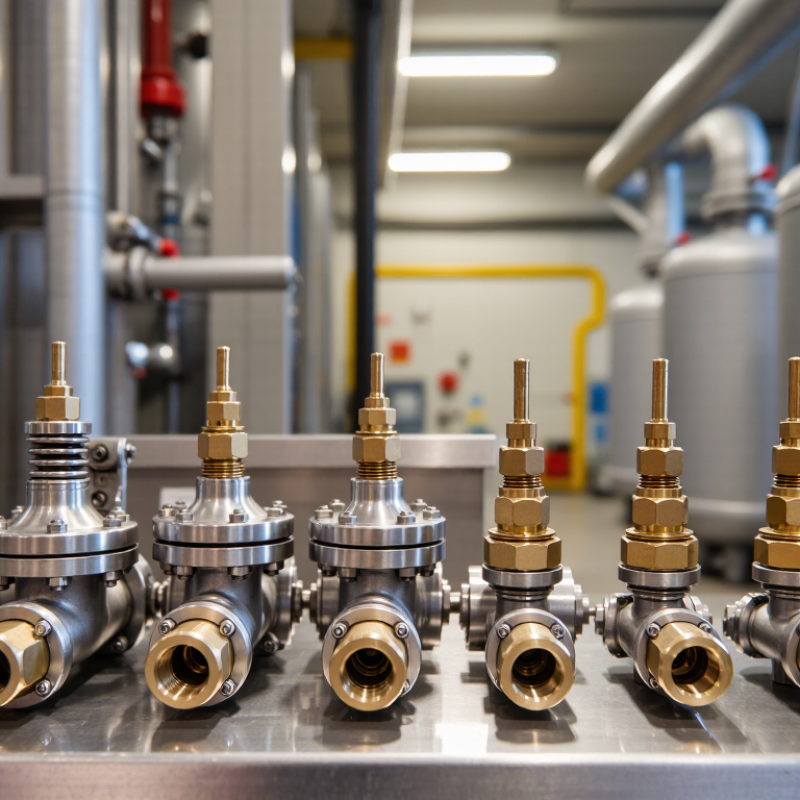
China’s pressure safety valve sector benefits from a broad industrial supply base. The National Bureau of Statistics reported that equipment manufacturing value added grew 6.8% in 2023. That growth supports machining, casting, testing, and component supply, but it is not a pressure safety valve production figure. The distinction matters.
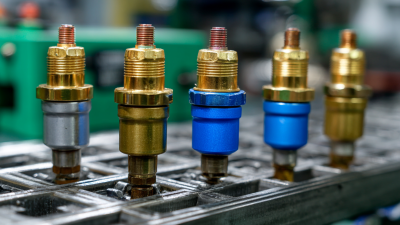
A valve’s reliability depends on more than a polished body. Buyers should examine set-pressure testing, spring traceability, material certificates, and documented inspection procedures. On a production line, small details show up clearly: a stamped identification plate, a calibrated test bench, and a clean sealing surface. Small parts matter.
UNIDO’s International Yearbook of Industrial Statistics describes China as the world’s largest manufacturing economy, while the National Bureau’s industrial data tracks broader equipment manufacturing trends. These sources offer useful context, not a count of certified valve factories. Public, comparable data specific to Chinese pressure safety valve output remains limited. That gap deserves attention. A supplier’s test records and stated operating limits can therefore be more informative than a factory’s claimed capacity. Check them directly.
Engineering benchmark: API 520 allowable overpressure for selected pressure-relief scenarios
The chart shows commonly cited API 520 allowable overpressure values above the valve set pressure: 10% for a single valve in a non-fire case, 16% for multiple valves in a non-fire case, and 21% for a fire case. These are engineering-code benchmarks, not measurements of Chinese manufacturers or market share. Applicable standards and any minimum pressure allowances should be verified for each project.
Top Pressure Safety Valve Manufacturers in China
A pressure safety valve protects equipment when pressure rises beyond a preset limit. In a spring-loaded design, process pressure pushes a disc against a spring. Once pressure reaches the set point, the disc lifts and releases gas or liquid through the outlet. As pressure falls, the valve reseats. The cycle sounds simple. Real performance depends on correct sizing, installation, and maintenance. API 520 and API 521 provide industry guidance on valve sizing and pressure-relief system design.
Tips: Check the set pressure, discharge route, and backpressure against the system design. Look for corrosion or deposits around the inlet. A sizing assumption can still be wrong in the field.
These valves are used on boilers, storage vessels, compressors, and process pipelines, where blocked outlets or heat input can cause pressure to rise. The U.S. Chemical Safety Board’s 2007 report on the BP Texas City refinery explosion recorded 15 deaths and 180 injuries. Its findings highlighted the importance of safeguards and safe discharge arrangements; they do not attribute the disaster to a pressure safety valve alone. Relief protection is one layer, not a complete safety plan. A valve may open as designed, yet a poorly routed discharge can still create hazards.
Top Pressure Safety Valve Manufacturers in China
When evaluating Chinese manufacturers, begin with the valve’s intended service. Compare its pressure and temperature ratings with the actual operating conditions, including possible pressure surges. Ask which body, trim, and spring materials are available, and whether they suit the process fluid. A specification sheet should identify these details clearly. Small omissions matter.
Review the engineering and production evidence, not just sales claims. Request drawings, material certificates, inspection records, and test reports linked to the valve’s serial number. Check how the manufacturer verifies set pressure, reseat performance, and leakage before shipment. Ask whether testing equipment is calibrated and how failed units are handled. A polished brochure proves little.
Quality systems, delivery capability, and technical support also deserve scrutiny. Confirm who answers sizing questions, how changes are documented, and whether replacement parts remain available. If possible, compare sample records with the proposed purchase specification. Factory visits can help, but a visit is only a snapshot. I would not treat one successful test as proof of consistent production; repeatability across batches is harder to judge and should be discussed directly.
Leading pressure safety valve manufacturers in China serve industries where dependable overpressure protection is essential. Their work involves more than machining a valve body. Engineers must match the set pressure, temperature range, fluid properties, and connection type to each application. Small details matter. A poorly specified trim or unsuitable material can affect performance over time.
Capable manufacturers typically provide design data, material records, pressure-test results, and clear maintenance guidance. Buyers should check how production controls are applied, not rely on polished brochures alone. Ask about calibration methods, inspection records, and support for replacement parts. Factory visits can reveal practical details, such as how test equipment is maintained and how finished valves are protected from damage. Still, one visit cannot prove consistent quality across every production batch. That deserves a closer look. Comparing documentation and communicating directly with technical staff can help purchasers assess a supplier’s experience and reliability. A specification may look complete on paper, yet field conditions often expose gaps. Manufacturers and buyers both need to revisit assumptions when operating data changes.
China Pressure Safety Valve Market: Product and Capability Overview
| Product Segment | Common Valve Designs | Typical Applications | Relevant Standards Often Specified | Common Material Options | Key Supplier Checks |
|---|---|---|---|---|---|
| Spring-loaded safety valves | Conventional, balanced bellows, and pilot-operated designs, selected according to service conditions and back pressure. | Boilers, pressure vessels, pipelines, and process equipment. | GB/T 12241 for general requirements; GB/T 12243 for spring-loaded safety valves; API 520 and API 527 may be specified for applicable projects. | Carbon steel, stainless steel, and other alloys selected for pressure, temperature, and fluid compatibility. | Confirm set pressure, back-pressure limits, capacity certification, seat-leakage criteria, and material traceability. |
| Boiler safety valves | Spring-loaded designs, including configurations intended for steam service. | Steam boilers and associated steam systems. | Applicable Chinese boiler and safety-valve requirements; GB/T 12241 and GB/T 12243 may be relevant depending on the product and specification. | Pressure- and temperature-rated body, trim, and spring materials suitable for the specified steam conditions. | Check boiler-service approvals, discharge capacity, set-pressure tolerances, test records, and installation requirements. |
| Flanged steel pressure-relief valves | Flanged inlet and outlet configurations, with dimensions and pressure class defined by the project specification. | Refineries, chemical plants, gas processing, and general industrial systems. | API 526 may be specified for applicable flanged steel pressure-relief valves; API 520 addresses sizing and installation practices. | Carbon steel, stainless steel, and alloy steel options, subject to service and specification requirements. | Verify flange dimensions, pressure class, connection standard, certified orifice capacity, and documentation package. |
| Corrosion-resistant service valves | Spring-loaded or pilot-operated designs with wetted materials selected for the process medium. | Chemical processing, corrosive liquids, and selected marine or utility services. | Product and project standards are specified according to the application; GB/T 12241 and relevant test requirements may apply. | Stainless steel, duplex stainless steel, nickel alloys, or other materials where required by the process. | Review corrosion compatibility, material certificates, trim selection, temperature limits, and any required special testing. |
| Pilot-operated pressure-relief valves | Pilot-controlled main valve assemblies, used where operating conditions and system requirements support this design. | Gas transmission, storage, process plants, and systems requiring specific pressure-control characteristics. | Applicable product standards and project specifications; API 520 may be used for sizing and installation considerations. | Body and trim materials selected for the pressure, temperature, and fluid service. | Check pilot configuration, minimum operating pressure, back-pressure limits, response characteristics, and maintenance requirements. |
| Low-pressure and tank protection valves | Pressure-relief or combined pressure-and-vacuum protection devices, where required by the tank design. | Storage tanks and low-pressure process equipment. | Applicable tank, process, and project standards; requirements differ from those for conventional high-pressure safety valves. | Materials selected for the stored product, outdoor exposure, and operating environment. | Confirm allowable tank pressure and vacuum, required venting capacity, flame-arresting needs, and environmental conditions. |
This is a general market reference, not a ranking or a representation of any individual manufacturer’s products or certifications. Applicable standards, materials, pressure ratings, and approvals depend on the specific valve, service conditions, and project requirements. Verify current requirements and supporting documents with the supplier.
For buyers comparing pressure safety valve manufacturers in China, certificates are a starting point, not proof of every product’s suitability. Check the certificate’s scope, issuing body, validity, and covered production site. Requirements vary by destination and application. A quality management certificate, for example, does not automatically certify a specific valve design. Ask for applicable test records and clear evidence that the supplied model matches the approved documentation.
Quality control should be visible in the details. A reliable factory can explain how materials are identified, how machining dimensions are checked, and how each valve is tested before release. Ask whether test results include set pressure, reseating behavior, and leakage checks, where relevant. Batch numbers should connect the valve to material records and inspection reports. Small gaps matter. Paperwork can look tidy while traceability remains incomplete, so verify a sample order rather than relying only on a presentation.
Export capability involves more than shipping experience. Confirm that the manufacturer can prepare consistent packing lists, product specifications, inspection records, and destination-specific documentation. Discuss packaging for long-distance transport, including protection for threaded ends and moving parts. Request realistic lead times and clarify how changes are handled after approval. These checks take time. They can also reveal weaknesses early, before a shipment is already in transit.