2026 Best Valve Suppliers for Global Buyers

Choosing among the 2026 Best Valve Suppliers for Global Buyers takes more than comparing prices or browsing polished catalogs. The right supplier can help match valve design, materials, pressure ratings, and end connections to the actual service conditions. Small details matter. A material mismatch or unclear test record can delay a project and complicate maintenance. This guide examines manufacturers and distributors through practical questions: What do they make? Can they provide traceable documentation? Do their delivery capabilities fit the buyer’s region and schedule?

Valve engineer Philip L. Skousen, author of Valve Handbook, provides a useful technical lens. A concise paraphrase of the engineering principle reflected in his work is: “Select the valve for its service conditions, not just its nameplate.” This is not a verbatim quotation. It is a reminder to verify operating temperature, fluid compatibility, shutoff needs, and maintenance access before placing an order. Ask for current product data, applicable test information, and clear answers about warranty and after-sales support. Check the details.

The strongest Valve Suppliers make those checks easier. They explain limitations, identify what needs confirmation, and avoid promising that one design suits every application. Global buyers should also consider communication across time zones, spare-parts access, and shipping terms. A low quote may look attractive. Yet freight, lead time, and support can change the total cost. No supplier ranking can replace project-specific engineering review, and even a well-documented product may not fit every installation. Use this guide as a starting point, then verify each shortlist against the duty, documents, and people responsible for the equipment.

2026 Best Valve Suppliers for Global Buyers

Valve Types and Uses: 6 Common Designs for Industrial Flow Control

2026 Best Valve Suppliers for Global Buyers
Valve Types and Uses: 6 Common Designs for Industrial Flow Control

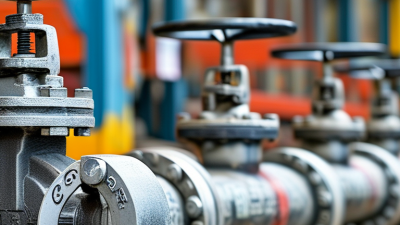
Industrial flow systems use different valve designs for different jobs. Gate valves provide low-restriction isolation in pipelines, but they are not ideal for frequent throttling. Globe valves offer more precise flow adjustment, though their pressure drop can be higher. Ball valves open or close quickly with a quarter-turn handle. Butterfly valves suit larger pipes where space and weight matter. Check valves help prevent reverse flow without manual operation. Diaphragm valves can handle some corrosive fluids and slurry applications, depending on their materials. Each design has limits.

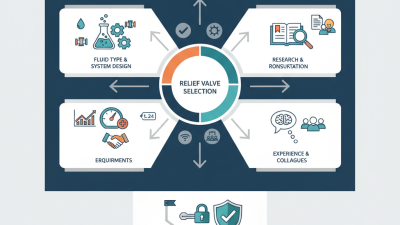
Choosing a valve starts with the fluid, operating pressure, temperature, and required flow rate. Check the body and seal materials against the actual service conditions. A valve that fits the pipe may still be unsuitable for the process. In practice, maintenance access matters too; a hard-to-reach actuator can turn a small repair into a longer shutdown. Specifications deserve a second look.

Tips: Confirm connection size and pressure rating before ordering. Ask for material and test documentation. If the operating conditions are unclear, pause and verify them rather than guessing.
Pressure and Testing: ASME B16.34 Classes 150–2500 and ISO 5208

2026 Best Valve Suppliers for Global Buyers

Pressure and Testing: ASME B16.34 Classes 150–2500 and ISO 5208

A valve’s pressure capability cannot be judged by its class number alone. ASME B16.34 sets pressure-temperature ratings and construction requirements for many valve types. Classes 150 through 2500 are rating series, not universal pressure values. Allowable pressure varies with material and operating temperature. A Class 600 valve may have a lower rating at elevated temperatures than at ambient conditions. Check the applicable rating table, material specification, end connection, and design conditions together. Small details matter.

ISO 5208 specifies pressure tests and leakage acceptance criteria for industrial valves. Purchase documents should identify the required test level and acceptance rate, rather than simply stating “tested.” Confirm the test medium, duration, shell test, seat test, and certificate traceability to the valve or production batch. A report supports inspection, but does not prove suitability for every fluid or operating cycle. Paperwork can look complete while leaving the acceptance grade unclear. That is easy to miss.

Tips: Ask suppliers to show the pressure-temperature rating for your material and service temperature. Request test records before shipment. Compare the documents with the purchase specification; a neat table can still leave questions.

Supplier Quality Checks: ISO 9001, API 6D, and API Q1

For global valve buyers, certificates are useful only when their scope matches the work. ISO 9001 indicates a quality management system, not that every valve meets a particular design or service requirement. Ask for the certificate’s issuing body, validity dates, covered site, and product scope. Then compare those details with the factory location and production activities named in the quotation. Paper alone is weak.

For pipeline valves, check whether API 6D applies to the offered product and configuration. Request the relevant documentation, including material traceability, inspection records, and pressure-test results tied to valve serial numbers. API Q1 focuses on quality management for organizations serving the petroleum and natural gas industry; confirm that its scope covers the actual manufacturing site and activities. Details matter. A certificate from another facility may not tell you much about the valve being purchased.

A practical review can start with one sample order file. Match the material certificate to the heat number, then follow that number through machining, assembly, and final testing. Ask how nonconforming parts are recorded and corrected. The answer should point to specific procedures and records, not broad assurances. There is a limitation here: documents can be complete while shop-floor practice varies. A remote review may miss that gap, so plan a technical audit when risk, order value, or service conditions justify it.

Global Buyer Comparison: Cost, Lead Time, Certifications, and Service

For global buyers comparing valve suppliers in 2026, the lowest quotation is only one part of the decision. Compare the same valve specifications, materials, pressure ratings, and test requirements across each offer. A small difference in trim or end connection can change both price and suitability. Include freight, packaging, duties, and inspection costs when estimating the delivered price. Otherwise, a cheap quote may not stay cheap.

Certifications should match the valve type, destination market, and project requirements. Ask for current certificates and traceable test records, not just a logo on a brochure. Check whether the documents cover the actual manufacturing site and product range. Paperwork matters. Lead times also need a closer look: request dates for drawing approval, production, testing, and shipment separately. A single “six-week delivery” estimate can hide delays between stages.

Service is harder to score, but response quality offers clues. Send a practical question about materials, installation, or replacement parts, then note how clearly the supplier answers. Confirm spare-part availability and the process for handling a quality issue. Even a careful comparison sheet has weak spots; assumptions about shipping or inspection can distort the result. Keep those assumptions visible, and revise the ranking when verified details arrive.

2026 Supplier Shortlist: 5 Checks for Traceability, Testing, and Support

Treat a valve shortlist as an evidence check, not a catalog contest. Ask for a heat-number trail linking the body, trim, material certificate, and shipment. Compare the valve markings with the inspection file. Small mismatch? Pause. Traceability matters only when the records are easy to retrieve.

Testing deserves the same scrutiny. Request the pressure-test procedure, acceptance criteria, gauge calibration details, and dated results for the exact model and size. A generic certificate does not prove that the delivered unit was tested. MHI and Deloitte’s 2024 Annual Industry Report found that 55% of surveyed supply-chain leaders had increased technology investment. Digital records may help, but they do not verify valve quality. Keep that distinction.

Check five points before approval: material traceability, test reports, inspection access, spare-part availability, and response times. Ask who handles a field failure, what information they need, and how quickly technical support responds. Request a sample dossier and a named escalation contact. Test both before an urgent shutdown. Support claims can sound polished. Real support leaves timestamps, clear drawings, and practical answers. Even capable suppliers may have gaps; record them and agree on corrective actions.