Top Heavy Equipment Suppliers in China for Global Buyers?
In the competitive landscape of the Heavy Equipment industry, China stands out as a major supplier. One expert, Dr. Wei Zhang, noted, "China's heavy machinery offers a perfect blend of technology and affordability." This statement underscores the nation’s pivotal role in supplying various equipment to global buyers. With many emerging markets seeking reliable machinery, identifying top suppliers becomes crucial.
Chinese manufacturers have significantly advanced in technology and production efficiency. Their heavy equipment, including excavators and bulldozers, often outperforms older models. However, buyers should tread carefully. Despite the appealing prices, not all suppliers meet international quality standards. Several companies have faced scrutiny for inconsistent product quality.
It’s essential for global buyers to research and verify suppliers thoroughly. Testimonials and product reviews can provide insight. Yet, potential buyers must also reflect on their own requirements and capabilities. Investing in heavy equipment is a long-term decision that requires careful consideration. The right choice can lead to improved productivity and significant cost savings.
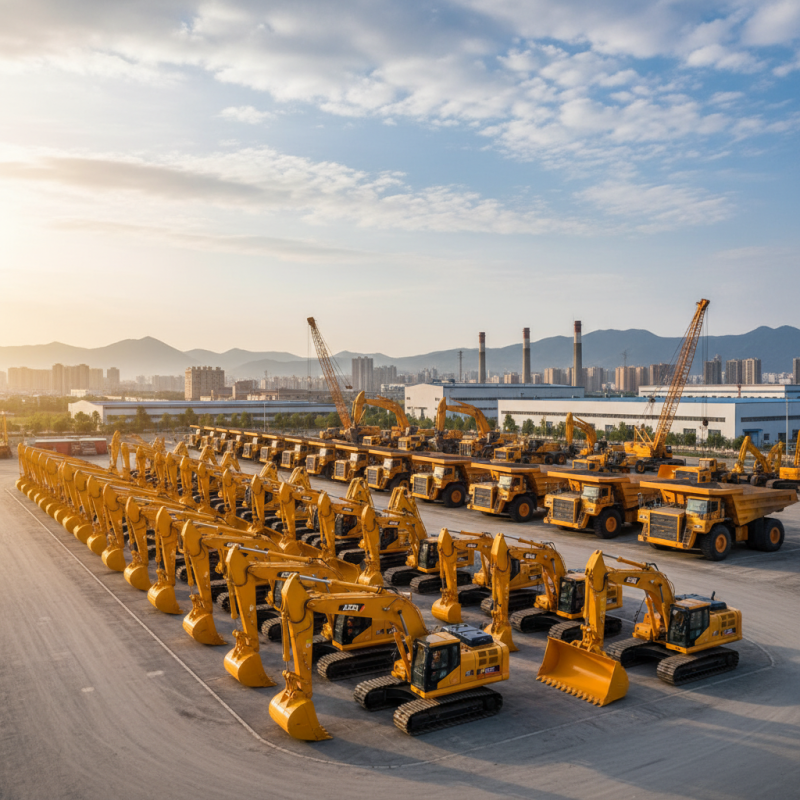
Overview of the Heavy Equipment Market in China
The heavy equipment market in China has experienced substantial growth over the past decade. As infrastructure projects expand, demand for machinery has surged. This environment presents a dynamic landscape for global buyers seeking reliable suppliers. However, the diversity of manufacturers means extensive research is necessary.
Understanding regional offerings can be beneficial. Some manufacturers focus on bulldozers, while others specialize in cranes or excavators. Buyers should consider quality standards and product certifications. Local suppliers may offer competitive pricing, but it’s crucial to assess their track record. Engaging with multiple suppliers can provide insights into their capabilities.
Tips: Always verify supplier credentials. Engage in direct conversations to assess reliability. It helps to visit manufacturing sites if possible. Exploring trade shows in China can also reveal innovative equipment options. Ultimately, informed choices lead to sustainable partnerships in this ever-evolving market.
Key Players in China's Heavy Equipment Industry
China's heavy equipment industry plays a vital role in the global market. With rapid urbanization and infrastructure growth, the demand for heavy machinery has surged. This demand has led to the emergence of several key players within the industry. These companies specialize in manufacturing excavators, bulldozers, and cranes, which are essential for construction projects. Their products are made using advanced technologies, ensuring high quality and reliability.
The competitive landscape in China's heavy equipment sector is dynamic. Many manufacturers are continually refining their processes and investing in research and development. Some focus on eco-friendly machinery, responding to global environmental concerns. This shift reflects an evolving market where sustainability is increasingly important. However, there are challenges as well. Some companies struggle with product differentiation and quality control. Buyers often face the difficulty of navigating a crowded marketplace.
Quality assurance remains a pressing issue. While many manufacturers boast advanced equipment, inconsistencies exist among their products. International buyers should be cautious and conduct thorough research before making purchases. Exploring partnerships with reputable suppliers will help mitigate risks. Ultimately, the heavy equipment industry in China offers vast potential for global buyers, provided they approach it with discernment.
Market Trends and Growth Projections for Heavy Equipment Supply
The heavy equipment supply sector in China is undergoing significant change. According to a recent industry report by Research and Markets, the market is projected to grow at a compound annual growth rate (CAGR) of 5.2% from 2023 to 2028. Increased infrastructure investment and urbanization are major driving forces behind this growth. However, global buyers must remain vigilant about fluctuating commodity prices and regulatory changes.
China's heavy equipment market is highly competitive. It is essential for global buyers to analyze suppliers based on their reliability and capability. Reports indicate that the adoption of advanced technologies, such as Artificial Intelligence and IoT in equipment manufacturing, has become crucial. This shift not only optimizes production but also enhances product quality. Nevertheless, some local suppliers still struggle to meet international standards, which can lead to quality inconsistencies.
Buyers should evaluate operational efficiency and supply chain management of potential suppliers. According to McKinsey Research, companies with agile supply chains were able to respond better during market disruptions. This highlights the importance of flexibility and adaptability in the current market environment. While growth is promising, buyers should be cautious and conduct thorough due diligence before making commitments.
Factors Influencing Global Purchase Decisions in Heavy Equipment
When considering heavy equipment purchases, global buyers face numerous influences. Market dynamics, economic conditions, and technology advancements are paramount. According to a recent industry report, 40% of buyers prioritize equipment efficiency. They seek machines that can operate smoothly under various conditions. This consideration greatly impacts their purchasing decisions.
Another factor is supplier reliability. Buyers often request guarantees of durability and excellent service support. Data indicates that 65% of buyers consider after-sales support vital. Companies must provide comprehensive training and spare parts availability to enhance buyer confidence. Without this support, even the best equipment can fail to meet expectations.
**Tip:** Always assess a supplier's reputation. Look for reviews and case studies that highlight past performance.
Global trends also matter. Sustainability is becoming increasingly important. A report shows that 50% of buyers are now looking for eco-friendly options. As environmental regulations tighten, equipment that meets these standards will likely gain favor. Suppliers must innovate to meet these demands.
**Tip:** Evaluate energy consumption metrics of equipment. They can reveal long-term cost savings. Making informed decisions can lead to better outcomes in the field.
Top Heavy Equipment Suppliers in China for Global Buyers
| Supplier Type | Annual Revenue (Est.) | Main Product Categories | Global Distribution | Customer Ratings (Out of 5) |
| Construction Equipment | $2 Billion | Excavators, Bulldozers, Loaders | Asia, Europe, North America | 4.5 |
| Mining Equipment | $1.5 Billion | Drilling Rigs, Dump Trucks, Crushers | Africa, South America, Australia | 4.3 |
| Agricultural Equipment | $800 Million | Tractors, Harvesters, Ploughs | Asia, Europe | 4.7 |
| Forklifts and Material Handling | $600 Million | Forklifts, Pallet Jacks, Reach Trucks | North America, Europe, Asia | 4.6 |
Challenges Faced by Chinese Suppliers in the Global Market
Chinese heavy equipment suppliers face numerous challenges when entering the global market. One major issue is intense competition. Many international brands dominate the industry, making it hard for Chinese companies to gain visibility. This situation leads to pressure on pricing and margins. Additionally, brand recognition remains a significant hurdle. Many buyers prefer established names due to perceived reliability.
Another challenge is adhering to diverse regulatory standards. Each country has its own safety and quality requirements. Meeting these standards requires substantial investment in both time and resources. Moreover, logistical hurdles can complicate the supply chain. Shipping equipment internationally involves complex processes that can delay delivery and increase costs.
Furthermore, building trust with foreign clients is crucial. Many potential customers hesitate to engage with new suppliers. They fear low quality and lack of post-sale support. Therefore, creating robust relationships and ensuring customer satisfaction is vital for Chinese suppliers aiming for long-term success. Focusing on these aspects can help mitigate some of the significant obstacles faced in the global arena.
Top Heavy Equipment Suppliers in China - Challenges Faced in the Global Market
 North American Safety Valve Industries, Inc.