
In 2026, choosing a Glass Coating is less about a glossy label and more about how the glass must perform. Low-emissivity coatings help limit heat transfer, while solar-control coatings reduce incoming solar energy. Anti-reflective layers can improve clarity on display panels and storefronts. Hydrophobic and self-cleaning treatments help water and dust release from exterior surfaces. Each option solves a different problem. None is a universal fix.
Glazing specialist Dr. Helen Sanders is known for her work on high-performance glazing. A concise paraphrase of the whole-system principle reflected in that field is: “Evaluate the coating as part of the complete glass assembly, not as a stand-alone feature.” This is a paraphrase, not a verified verbatim quotation. That distinction matters. A coating’s performance depends on the glass substrate, installation, exposure, and maintenance. A sunny south-facing window may need different solar control than a shaded interior partition. A coating that looks clear under showroom lights may show reflections beside a bright window. Small details count.
This guide compares the leading Glass Coating types, their practical strengths, and their trade-offs. It also considers durability, visible appearance, and the conditions each coating suits best. Product claims deserve careful checking against technical data and real project needs. Some choices remain uncertain until the glass is tested in its actual setting. That is worth admitting.
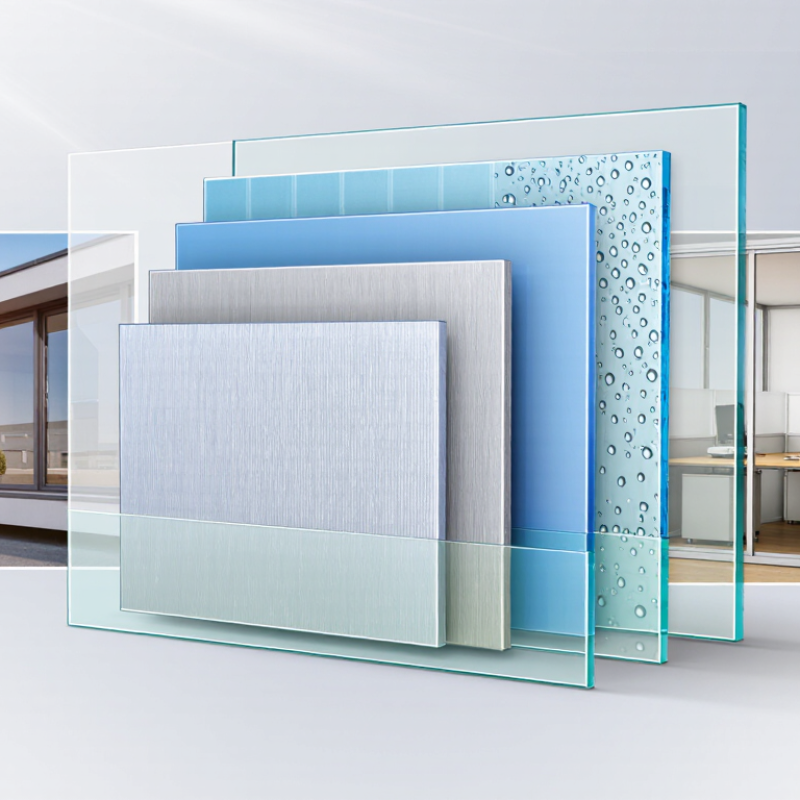
Glass coatings change how a glass surface interacts with light, water, oils, or heat. Some are thin layers applied during manufacturing; others are added later. Their performance depends on the glass, coating process, and surface condition. The chemistry matters.
A hydrophobic coating makes water bead, so droplets may carry loose dirt away. It does not make glass self-cleaning in every setting. An oleophobic layer can reduce fingerprints, though oily marks still appear. Anti-reflective coatings limit reflected light through carefully designed layers, while low-emissivity coatings reflect some heat energy. Each type changes a different surface behavior. Small differences matter.
The effect is practical and sometimes subtle. A coated window may feel more comfortable near a cold pane, while coated eyewear can show fewer reflections at night. But coatings can scratch, wear, or become less effective with abrasive cleaning. That is the trade-off. Labels may promise a simple fix; real results depend on installation and maintenance. Even fingerprints can complicate the picture: a surface that resists oils may still show dust clearly. Checking the intended use and care instructions is more useful than choosing by coating name alone.
In 2026, low-emissivity coatings remain a leading choice for windows in energy-conscious homes and commercial buildings. Their thin metallic layers reflect some heat while allowing visible light through. In winter, they can help retain indoor warmth; in summer, suitable versions reduce unwanted heat gain. Performance depends on the glass assembly, climate, and installation. The label alone tells you little.
Solar-control coatings are especially relevant where strong sunlight heats rooms for long hours. They limit solar energy entering through the glass, but darker or more reflective options may change the view or daylight. Anti-reflective coatings serve a different need: they reduce glare on display cases, museum glazing, and some architectural glass. Clarity matters here. So does cleaning; fingerprints can still show.
Hydrophobic and photocatalytic coatings are also gaining attention for exterior glass. Water may bead or spread more easily, helping rain carry away some surface dirt. They do not make windows maintenance-free. Not even close. Scratch-resistant coatings can help in high-contact settings, though results vary with the glass and coating process. There is no universal winner: project data, orientation, and local weather should guide selection. I’d be cautious about rankings that ignore those details.
Glass coatings solve different problems, even when the panes look similar. Low-E coatings have a thin, mostly invisible layer that reflects some heat while allowing useful daylight through. In winter, they can help keep indoor warmth from escaping through the glass. In summer, the right Low-E design can also reduce incoming heat. Performance depends on the coating and the full window assembly, not the label alone.
Solar-control coatings focus more directly on limiting solar heat gain. They can be useful on sun-facing windows where afternoon light warms floors and furniture. Some preserve a clear view; others reduce visible light, so a room may feel dimmer. Compare solar heat gain coefficient and visible transmittance figures. The trade-off is real. A cooler room may get less daylight.
Reflective coatings use a more mirror-like surface to reflect sunlight and can reduce glare. From outside, they may offer daytime privacy, but they do not reliably hide interiors after dark when indoor lights are on. They can also change a building’s appearance and reduce daylight more than expected. The categories can overlap: some Low-E products also control solar gain. Check tested window performance, coating placement, and the room’s orientation before choosing. Small details matter. A south- or west-facing room may need a different balance than a shaded one.
Typical visible light transmittance (VLT) ranges vary by product and glass specification. Low-E coatings are designed to improve thermal performance; solar-control coatings reduce solar heat gain; reflective coatings use a reflective appearance to limit solar transmission.
Indicative ranges only—not fixed limits or a specification for every product. Actual performance depends on the coating, glass build-up, and application.
Anti-reflective coatings are useful where glare and light loss matter: photovoltaic panels, display cases, and glass-fronted offices. They reduce reflections at the glass surface, helping more light pass through. The IEA PVPS Snapshot of Global PV Markets 2024 estimated more than 400 GW of new solar capacity was installed worldwide in 2023. At that scale, small optical losses can add up. But coating performance depends on angle, cleaning, and wear; it is not a guaranteed efficiency boost.
Self-cleaning coatings suit hard-to-reach skylights, façades, and solar glass. Some use photocatalytic surfaces that break down organic grime, while hydrophilic finishes help rain spread and rinse residue away. Dust still sticks. In dry or polluted locations, occasional washing may remain necessary. Safety needs a careful distinction: surface safety films can help hold broken pieces together, but they are not a substitute for tested safety glazing. Tempered or laminated glass is typically selected for doors, shower enclosures, and low-level glazing where impact risk is higher. ASTM C1048 and CPSC glazing requirements offer technical reference points; project specifications should match the actual hazard and local requirements.
A glass coating should solve a specific project problem, not simply sound advanced. Low-emissivity coatings help reduce heat transfer, while solar-control coatings limit incoming solar heat and glare. Anti-reflective coatings improve visibility where reflections interfere with displays or sightlines. Hydrophobic coatings help water sheet off exterior glass. Each option has trade-offs. A darker solar-control finish, for example, may change the building’s appearance.
Start with the glass. Compare visible light transmission, solar heat gain, reflectance, durability, and cleaning requirements. Then consider orientation, climate, and how people use the space. A west-facing office may need stronger afternoon glare control than a shaded corridor. Check the edges. Coating compatibility can vary with glass type, fabrication, sealants, and installation methods, so ask for written specifications and project-specific confirmation.
Whenever possible, inspect a sample under the project’s actual lighting. A small sample can reveal color shifts or reflections that a data sheet cannot. Ask how performance is tested and what maintenance is expected. For exterior glass, consider exposure to abrasion, rain, and frequent cleaning. No selection is perfect. It is easy to overvalue one impressive rating and miss a practical drawback; even careful comparisons leave room for site conditions to surprise you.
