Top 10 Benefits of Hot Rolled Steel Coil for Global Buyers?
Hot Rolled Steel Coil has become a fundamental choice for manufacturers and buyers worldwide. Its unique properties offer diverse advantages across various industries. This versatile material is known for its strength and adaptability. It plays a crucial role in construction, automotive, and machinery sectors.
Global buyers often seek Hot Rolled Steel Coil for its cost-effectiveness and efficiency. The production process, which involves rolling steel at high temperatures, allows for better shaping and finishing. This results in fewer defects and a consistent product quality. However, challenges exist, particularly concerning availability and sourcing. Buyers must navigate these hurdles to maximize benefits.
Understanding the top advantages of Hot Rolled Steel Coil can empower buyers in making informed decisions. It is essential to weigh its qualities against specific application needs. This examination may reveal some unexpected drawbacks. Nevertheless, the overall benefits often outweigh these challenges. Insight into this material will enhance purchasing strategies and strengthen supply chains.
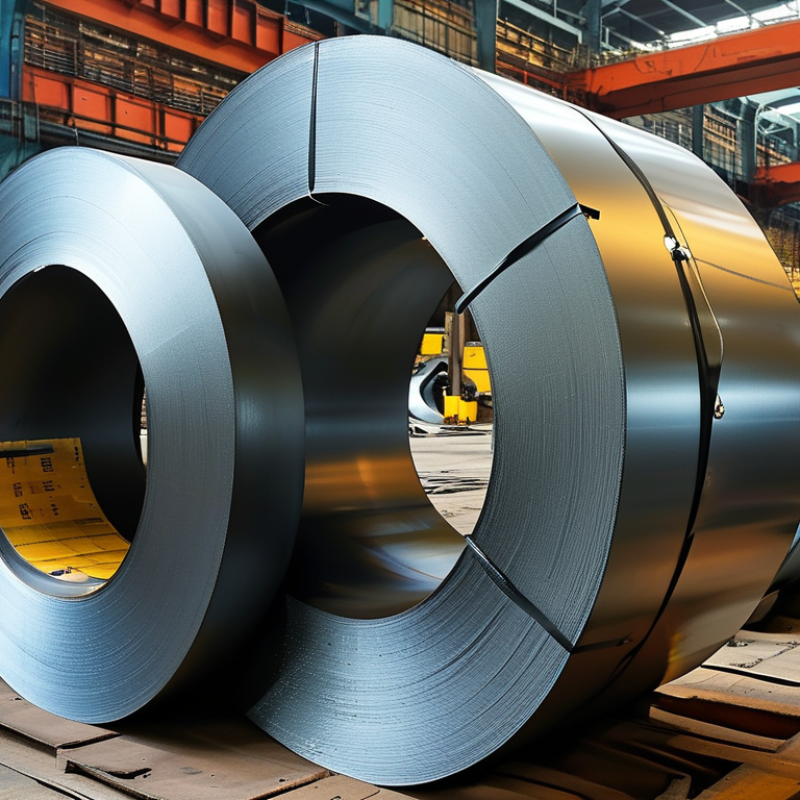
Advantages of Hot Rolled Steel Coil in Various Industries
Hot rolled steel coil is widely used across different industries due to its unique properties. Its malleability and strength make it an ideal choice for construction and manufacturing. According to the World Steel Association, hot rolled steel products can achieve a yield strength of 250 MPa to 700 MPa, depending on the composition and processing. This strength is critical in ensuring structural integrity in buildings and heavy machinery.
In the automotive industry, hot rolled steel coils account for a significant portion of the material used in vehicle production. Reports indicate that around 60% of steel used in automobiles is hot rolled, offering durability while maintaining a lightweight structure. This helps improve fuel efficiency and reduces environmental impact. However, the surface quality of hot rolled steel can be less optimal compared to cold rolled steel, which may require additional finishing processes.
The manufacturing and shipping sectors also benefit from hot rolled steel. It can be rolled into various shapes and sizes, such as sheets, strips, and bars. In fact, about 70% of steel products are shipped in coils, primarily due to their space-saving advantages. Despite these benefits, some industries face challenges with rust and corrosion over time, which necessitates protective coatings or additional treatments.
Top 10 Benefits of Hot Rolled Steel Coil for Global Buyers
| Benefit | Description | Industry Application |
| Cost-Effective | Hot rolled steel coils are cheaper to produce, resulting in lower costs for purchasing. | Manufacturing, Construction |
| Versatility | Can be used in a wide range of applications from automotive to infrastructure projects. | Automotive, Construction |
| High Strength | Offers excellent tensile strength and durability, making it ideal for structural applications. | Structural Engineering, Heavy Machinery |
| Easy Fabrication | Easier to cut, weld, and machine compared to cold rolled steel. | Fabrication, Construction |
| Enhanced Surface Finish | Surface finish is generally smoother, which is advantageous for aesthetic applications. | Art, Design, Construction |
| Reduced Wastage | Higher yield and less scrap generated during production processes. | Manufacturing, Fabrication |
| Availability | Widely available and produced in large quantities globally. | All Industries |
| Formability | Can be easily formed into various shapes without cracking. | Construction, Automotive |
| Better Heat Treatments | Can achieve desired microstructures more readily with hot rolling. | Manufacturing, Aerospace |
| Recyclability | 100% recyclable, contributing to sustainability efforts in various industries. | All Industries |
Cost-Effectiveness and Economic Benefits for Buyers
Hot rolled steel coil is gaining traction among global buyers for its cost-effectiveness. According to a recent market analysis, around 70% of manufacturers prefer hot rolled steel due to its lower production costs. The manufacturing process involves rolling steel at high temperatures, allowing for reduced energy consumption and increased efficiency. Buyers often benefit from these savings, which can lead to a more favorable pricing structure in competitive markets.
The economic benefits extend beyond just pricing. Hot rolled steel coils offer a unique combination of strength and ductility. This makes them suitable for various applications, from construction to automotive. Reports indicate that using hot rolled steel can result in a 20% reduction in material costs, directly impacting profit margins. However, buyers should note that this steel type may have surface imperfections requiring further processing, which could add unforeseen expenses.
Moreover, fluctuations in raw material prices can impact profitability. Buyers should be aware of the potential for price volatility based on market demand. This necessitates strategic purchasing decisions and careful supplier evaluations to truly harness the economic advantages. Ultimately, while hot rolled steel coils present significant cost savings, awareness of potential pitfalls is essential for sustainable procurement.
Enhanced Mechanical Properties of Hot Rolled Steel Coil
Hot rolled steel coils are essential in various industries. They offer enhanced mechanical properties that cater to diverse applications. These coils undergo a heating process, improving their ductility and toughness. By rolling steel at high temperatures, manufacturers can achieve better malleability. This makes it easier to shape the material into various forms.
One significant advantage of hot rolled steel is its high strength-to-weight ratio. This property is invaluable for construction and manufacturing. Buyers often seek materials that provide durability while minimizing weight. Hot rolled steel can withstand heavy loads and extreme stress while maintaining structural integrity. This is vital for bridges, buildings, and automotive parts.
However, not all hot rolled steel is created equal. Variations in production processes can lead to differences in quality. Buyers should be cautious and ensure they understand the specifications of the steel they purchase. Failure to choose the right type can result in structural failures or increased maintenance costs. Understanding these details is crucial for making informed decisions in the global market.
Versatility in Applications and Fabrication Processes
Hot rolled steel coils are pivotal in various industries, offering unmatched versatility in applications and fabrication processes. These coils are widely used in construction, automotive, and manufacturing sectors. According to a report by Research and Markets, the global hot rolled steel market is expected to reach $500 billion by 2025, reflecting its essential role. The process of hot rolling enhances ductility, making it easier to shape and form, giving manufacturers the flexibility they need.
In construction, hot rolled steel is favored for beams and columns. They provide excellent strength-to-weight ratios. For instance, structural applications often benefit from the material's toughness under compression. However, while the benefits are significant, one must consider quality control. Imperfections can arise during the production process, leading to structural issues later. Thus, buyers must ensure that they source their materials from reputable suppliers.
In automotive industries, the use of hot rolled steel is also prominent. Its adaptability allows for various auto parts, including chassis and frames. Despite its advantages, prolonged exposure to moisture can lead to corrosion. This drawback necessitates careful treatment and timely maintenance. Manufacturers are encouraged to innovate and refine fabrication processes, further enhancing the properties of hot rolled steel while addressing its limitations.
Environmental Considerations and Sustainability in Production
The production of hot rolled steel coil is advancing in terms of environmental sustainability. Manufacturers are increasingly adopting eco-friendly practices. For example, the Global Steel Industry reports a 20% reduction in carbon emissions over the last decade. This is crucial as steel production is a significant contributor to global CO2 emissions.
One key focus is the use of recycled materials. Using scrap steel not only conserves resources but also cuts down on energy consumption. It can take up to 75% less energy to produce steel from recycled materials compared to raw materials. Additionally, modern mills utilize advanced technologies. These innovations lead to reduced waste and improved efficiency.
**Tips:** When selecting hot rolled steel, inquire about the supplier's sustainability practices. Consider assessing their use of recycled materials. Also, examine their carbon footprint and other environmental impacts.
Despite progress, challenges remain. Many steel plants still rely heavily on fossil fuels. Transitioning to renewable energy sources can be slow and costly. As global demand for steel continues to rise, balancing production and sustainability will be essential. Buyers must stay informed about these developments to make responsible purchasing decisions.
Top 10 Benefits of Hot Rolled Steel Coil for Global Buyers
 North American Safety Valve Industries, Inc.