Top 10 Types of Rotating Machines for Industrial Use?
Rotating Machines play a vital role in various industrial sectors. They are essential for processes like power generation, manufacturing, and transportation. According to a recent market report, the global rotating machinery market is expected to reach $200 billion by 2025. This growth reflects their importance and versatility across industries.
These machines include various types, such as motors, turbines, and compressors. Each type serves a unique purpose and impacts efficiency. For example, electric motors alone account for about 70% of electricity consumption in industrial applications. However, despite their utility, many industries face challenges in optimizing their performance. Issues like maintenance and energy efficiency require attention.
Understanding the top types of rotating machines helps businesses make informed decisions. Yet, as industries evolve, the need for innovation becomes clear. There’s always room for improvement. Embracing new technologies can lead to enhanced performance and sustainability. Awareness of these aspects is crucial for future success.
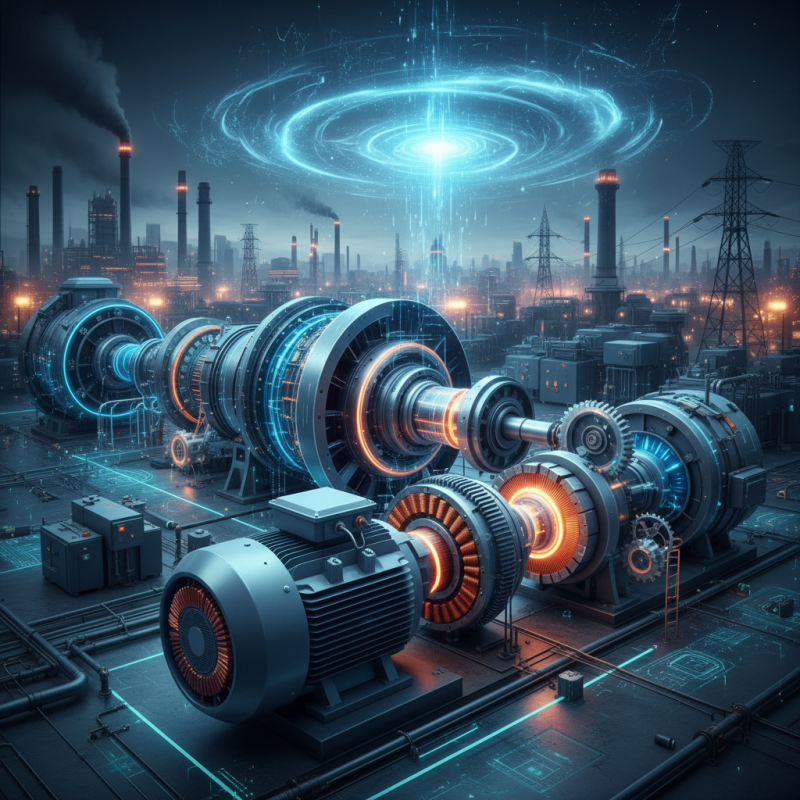
Types of Rotating Machines: An Overview of Industrial Applications
Rotating machines are vital in various industrial applications. They convert energy to perform work. Common types include electric motors, pumps, and turbines. Each type serves distinct purposes. Electric motors drive machinery in factories. They offer efficiency and reliability. Pumps are used in fluid transfer. They play a crucial role in water supply and chemical handling.
Tips: Always consider the environment when selecting machines. Factors like temperature and humidity affect performance. Neglecting these can lead to early failures. Regular maintenance is key. It ensures longevity and efficiency.
Turbines generate power for large systems. They are found in power plants and wind facilities. Though powerful, their complexity can lead to challenges. Overlooking proper alignment may cause vibration issues. This can decrease the machine's lifespan.
Tips: Monitor performance metrics regularly. Pay attention to noise and vibrations. These can indicate underlying issues. Taking action early can save time and costs. Always involve skilled professionals for installation to prevent future problems.
Top 10 Types of Rotating Machines for Industrial Use
| Type of Rotating Machine | Primary Function | Applications | Typical Speed (RPM) |
| Electric Motor | Converts electrical energy into mechanical energy | Pumps, fans, conveyors | 1800 - 3600 |
| Turbine | Generates power through fluid energy | Power plants, marine propulsion | 1000 - 30000 |
| Gearbox | Adjusts speed and torque | Automotive, industrial machinery | Varies greatly |
| Pump | Moves fluids | Water supply, chemical processing | 300 - 6000 |
| Compressor | Compresses gases | Refrigeration, HVAC systems | 1800 - 3600 |
| Drill | Bores holes into materials | Construction, manufacturing | 200 - 3000 |
| Fan | Moves air or gas | Cooling, ventilation | 500 - 4000 |
| Generator | Converts mechanical energy into electrical energy | Power generation | 1500 - 3000 |
| Centrifuge | Separates substances based on density | Food, pharmaceuticals | 2000 - 20000 |
| Motor Generator Set | Combines electric motors and generators | Backup power systems | 1800 - 3600 |
Electric Motors: Efficiency and Versatility in Industrial Settings
Electric motors play a vital role in industrial settings. They offer incredible efficiency. This efficiency can lead to significant energy savings. In many operations, they often replace less efficient alternatives. This shift can lower operational costs over time. However, achieving optimal efficiency requires regular maintenance. Ignoring this can result in unexpected downtimes.
Versatility is another key feature of electric motors. They can power various machines, from conveyors to pumps. This adaptability allows industries to streamline operations. Yet, selecting the right motor for specific tasks can be challenging. Misjudging requirements may lead to performance issues. It’s essential to analyze needs thoroughly before making choices.
Moreover, the impact of electric motors extends beyond just mechanics. When properly integrated, they enhance productivity. However, inefficiencies in installation can lead to problems. In some cases, users may overlook motor specifications, leading to mismatched applications. It’s a reminder that precision in planning is crucial for success in industrial environments.
Top 10 Types of Rotating Machines for Industrial Use
This chart illustrates the efficiency and versatility of various types of rotating machines commonly used in industrial settings. The data reflects their average operating efficiency and application versatility on a scale from 1 to 10.
Generators: Power Generation Techniques for Industrial Use
Generators play a crucial role in industrial settings. They convert mechanical energy into electrical energy effectively. Various power generation techniques exist, each with unique benefits and drawbacks. For instance, some use fossil fuels, while others harness renewable resources like wind or solar. The choice often depends on operational needs and environmental considerations.
In many facilities, generator efficiency varies widely. A poorly maintained generator may lead to substantial energy losses. Routine checks and balances are essential to optimize performance. Some industries still rely on outdated technology, which can be frustrating. Upgrading to modern systems might seem daunting but can pay off in the long run.
Moreover, the integration of smart technology is gaining traction in power generation. These systems can monitor usage and predict failures, reducing downtime. However, not all businesses are ready for such changes. The gap between traditional practices and modern techniques is often a barrier to improvement. Investing time and resources in updating practices is vital for future success.
Pumps: Types and Functions in Fluid Management Systems
Pumps play a vital role in fluid management systems across various industries. They are designed to move fluids by converting mechanical energy into hydraulic energy. Different types of pumps serve specific needs, making them essential for process efficiency. Centrifugal pumps, for example, are commonly used for their ability to handle large volumes of liquids. They can be observed in many settings, like water pumping stations or chemical processing plants.
Positive displacement pumps are another type worth mentioning. They work by trapping a fixed amount of fluid and forcing it out into the discharge pipe. This makes them suitable for thick or viscous liquids. Yet, these pumps sometimes struggle with air bubbles, which can lead to inefficiencies. Not all pump choices are perfect; sometimes, the application may not match the pump's capabilities.
Long-term maintenance is crucial in managing pump systems. Regular inspections can identify potential failures early. Neglecting these checks may lead to costly downtimes. Understanding the types of pumps available helps in selecting the right one. Knowledge gaps often exist, leading to unnecessary complications in operations. Making informed choices is key to a successful fluid management system.
Turbines: Harnessing Energy Through Rotational Motion in Industry
Turbines play a vital role in industrial settings. They transform kinetic energy into mechanical energy efficiently. These machines harness energy from various sources, such as wind, water, and steam. Each type has specific applications.
In wind turbines, blades capture wind's energy. As the blades rotate, they drive a generator to produce electricity. This process is clean but reliant on weather conditions. Water turbines use flowing water's force, often in dams. They tend to generate a stable energy output. However, the environmental impact on aquatic ecosystems can be significant.
Steam turbines operate by using high-temperature steam. They are common in power plants. The challenge lies in managing operational efficiency and maintenance. Regardless of the type, turbines require careful design and oversight. Balancing energy production with environmental concerns remains a complex task. Ultimately, the industry must evaluate each turbine's trade-offs.
 North American Safety Valve Industries, Inc.