Top Tips for Sourcing Quality Stainless Steel Chains?
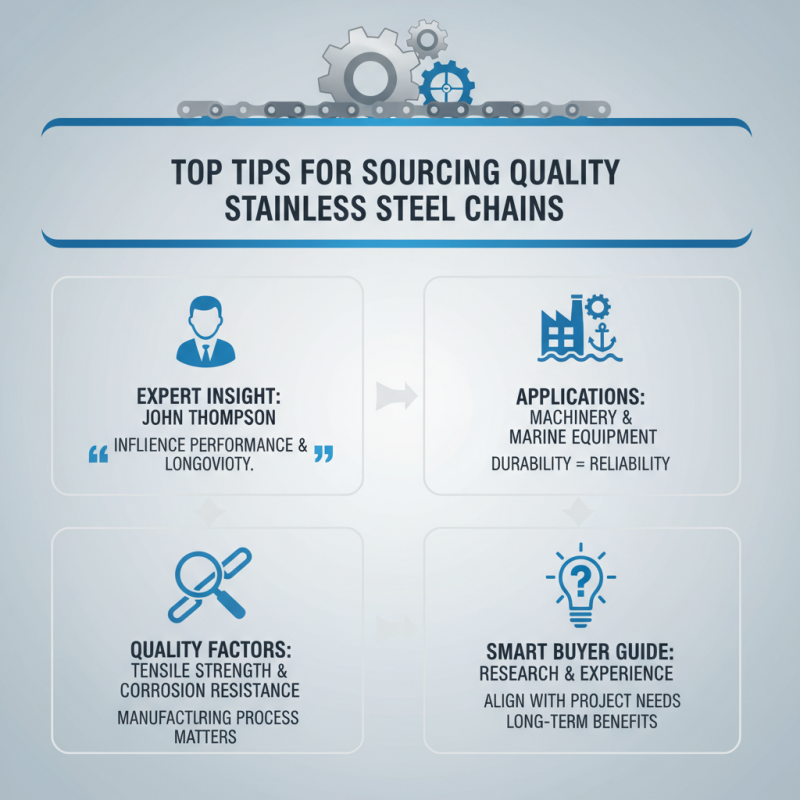
In the realm of industrial hardware, sourcing quality Stainless steel chains is paramount. Renowned expert John Thompson, a leading figure in metal manufacturing, emphasizes, "The right stainless steel chain can dramatically influence performance and longevity." This sentiment resonates throughout the industry, highlighting the importance of selecting durable and reliable materials.
Stainless steel chains are essential in various applications, from machinery to marine equipment. Quality chains ensure effective operation and minimize potential failures. However, not all stainless steel chains are created equal. Irregularities in production can lead to weaknesses. Therefore, understanding the nuances of stainless steel grades and manufacturing processes is crucial.
Choosing the right provider involves research and experience. Many buyers overlook key factors like tensile strength and corrosion resistance. While reviews can be helpful, they often fail to cover specific use cases. Potential buyers should also reflect on their unique needs, ensuring the selected chain aligns with their project's requirements. Investing time in sourcing quality stainless steel chains can lead to significant long-term benefits.
Understanding the Different Types of Stainless Steel Chains Available
When sourcing quality stainless steel chains, understanding the types available is essential. Stainless steel chains are classified mainly into three categories: standard, high tensile, and specialized chains. Each type has unique characteristics that cater to specific applications. For instance, high tensile chains are designed for enhanced strength, making them ideal for heavy-duty tasks. According to industry reports, these chains can withstand loads up to 25% greater than standard options.
The material's grade also influences performance. Common grades include 304 and 316. Grade 304 is versatile and resistant to corrosion in many environments, while grade 316 is ideal for marine applications due to its superior resistance to saltwater. Data shows that 316-grade stainless steel chains have up to 10 times the lifespan of lower-grade chains in harsh conditions.
While quality matters, choosing the right type can be a challenge. Overlooking specific properties like fatigue strength or corrosion resistance can lead to premature failures. Potential errors in judgment occur when users focus solely on price. Investing in quality, rather than opting for the cheapest option, is crucial for longevity. Regular inspection and maintenance can prolong usability, but understanding initial material choices is equally important. Each decision impacts performance and safety.
Identifying Quality Indicators in Stainless Steel Chains
When sourcing quality stainless steel chains, it's essential to identify key indicators that signify durability and reliability. First, examine the material composition. Stainless steel grades like 304 and 316 are known for their corrosion resistance. A report from the International Stainless Steel Forum indicates that 316 grade's molybdenum content enhances resistance to chlorides, making it ideal for marine and chemical applications.
Next, consider the chain's finishing processes. A well-executed passivation process improves the chain's resistance to oxidation and corrosion. Look for signs like a smooth surface finish. Rough finishes might indicate subpar manufacturing practices. The American Society for Testing and Materials recommends evaluating the surface for any blemishes, as these can be potential weak points.
Lastly, inspecting the chain's links and welds is crucial. Uniformity in these aspects can signal quality craftsmanship. Poorly aligned or inconsistent welds can lead to premature failures. A recent industry survey found that 30% of chains failed within four months due to manufacturing defects. Therefore, diligent assessment of these quality indicators can ensure longevity and effective performance in various applications.
Top Tips for Sourcing Quality Stainless Steel Chains
This chart illustrates the key quality indicators when sourcing stainless steel chains. The data reflects the importance ratings of each factor on a scale from 0 to 100, indicating that tensile strength and corrosion resistance are the most critical attributes to consider.
Evaluating Trusted Suppliers and Manufacturers
When sourcing quality stainless steel chains, evaluating trusted suppliers and manufacturers is crucial. Industry studies show that nearly 70% of businesses find reliable suppliers through recommendations and industry networking. This emphasizes the importance of building connections and gathering firsthand experiences from peers. It’s essential to focus on suppliers that prioritize quality assurance and have a robust quality control system in place.
Tips for evaluating suppliers include checking certifications, such as ISO 9001. These demonstrate a commitment to quality and consistency. Look for manufacturers with a history of supplying to reputable businesses. Data from industry reports indicate that suppliers with at least five years of experience often deliver higher-quality products. Visiting manufacturing facilities can also provide insights into production processes and standards.
Don’t overlook customer reviews and testimonials. They can reveal much about a supplier's reliability. Consider reaching out for quotes to compare pricing and service levels. Gaps in communication can be a red flag. Also, validate the material quality tests. Many suppliers claim high-grade stainless steel, but without verification, these claims may be misleading. Investing time upfront can save significant costs and issues later, ultimately leading to better procurement decisions.
Importance of Certifications and Standards in Chain Quality
When sourcing stainless steel chains, the importance of certifications and standards cannot be overstated. Quality certifications serve as a benchmark for assessing the reliability of the materials used. A chain that meets recognized standards ensures it can withstand the rigors of various applications. Such certifications often indicate the chain's grade and resistance to corrosion. They provide a layer of assurance for consumers and industries alike.
Certifications can be complex and sometimes confusing. Not all standards are equal, and not all manufacturers adhere to the same level of scrutiny. A chain may carry certifications, but its real-world performance might differ. It’s essential to review the details behind the certification claims. Look for tests and verifications that demonstrate quality, like tensile strength and durability under stress.
Inspections are also vital. Some companies may rush through the process, reflecting on their product's reliability. It’s concerning when a supplier does not provide inspection reports. Quality stainless steel chains should not only look good but also perform well under pressure. Investing time to verify certifications can save costs on replacements down the line. Ultimately, consumers must remain vigilant and informed to ensure they select the right product.
Tips for Price Comparison and Cost-Effectiveness in Sourcing Chains
When sourcing quality stainless steel chains, cost-effectiveness is key. Start by comparing prices across different suppliers. Collect quotes and analyze them carefully. Don't just look at the numbers. Consider the quality of materials used and manufacturing processes as well. Price shouldn’t be the only deciding factor.
Evaluate the durability and resistance to corrosion. These elements significantly affect long-term value. Sometimes, a lower price may indicate inferior quality. Invest time to check supplier reviews and ratings. An established supplier often means consistent quality. Reach out for samples if possible. This helps in assessing the actual quality before making larger purchases.
It’s essential to recognize the balance between price and quality. Sometimes, the cheapest option leads to more costs later. Think about your needs. Are you prioritizing budget or longevity? Make an informed decision that aligns with your requirements. This may take time and effort, but quality chains will ultimately save you money in the long run.
Top Tips for Sourcing Quality Stainless Steel Chains
| Tip Number | Tip Description | Price Range (Per Meter) | Quality Indicator |
| 1 | Verify the grade of stainless steel (e.g., 304, 316) | $5 - $15 | High |
| 2 | Look for certifications to validate quality | $6 - $18 | Very High |
| 3 | Compare prices across multiple suppliers | $4 - $12 | Medium |
| 4 | Examine the finish and quality of workmanship | $5 - $14 | High |
| 5 | Ask for samples to inspect quality before bulk purchase | N/A | Variable |
 North American Safety Valve Industries, Inc.