What Are Stainless Hex Nuts and Their Common Uses?
Stainless Hex Nuts are essential components in various applications. These nuts are typically used in conjunction with bolts. Their hexagonal shape allows for easy tightening with a wrench. Made from stainless steel, they offer excellent corrosion resistance. This property makes them suitable for outdoor and marine environments.
In construction and machinery, Stainless Hex Nuts play a critical role. They ensure secure connections, contributing to stability. However, improper usage can lead to structural failures. Choosing the right size and grade is crucial. Over-tightening can strip threads, a common mistake.
Additionally, different applications may require specific materials. Users must consider environmental factors. While stainless steel is robust, it may not suit every situation. Reflecting on these details can enhance knowledge and usage effectiveness. Understanding these nuances guides better decision-making in fastening applications.
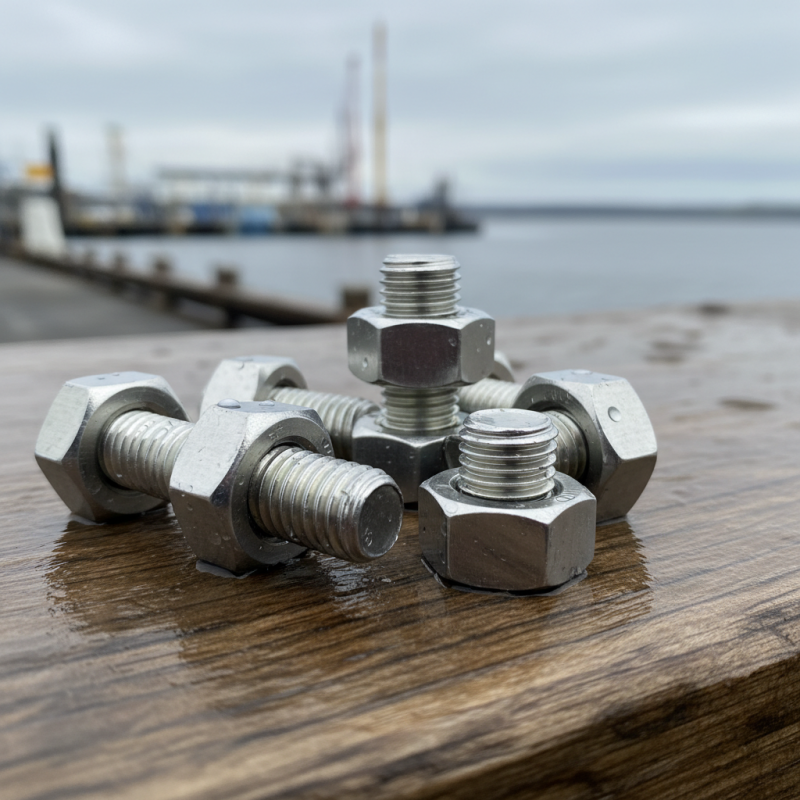
Definition of Stainless Hex Nuts and Their Composition
Stainless hex nuts are essential fasteners used in various applications. They are typically made from stainless steel, a material known for its durability and resistance to corrosion. This composition allows them to perform well in both indoor and outdoor environments. The hexagonal shape provides a secure grip for wrenches, making installation straightforward and effective.
These nuts are often found in construction projects, automotive repairs, and machinery. Their versatility makes them a staple in many industries. However, not all stainless steel is created equal. There are different grades, each offering varying levels of strength and corrosion resistance. This can lead to confusion when selecting the right hex nut for specific applications. Thinking critically about the environment where the nut will be used is important.
Failure to choose the right grade could result in premature wear or even failure. It’s crucial to reflect on the requirements of each project. Sometimes, the perfect nut is not available, which complicates the task. The balance between strength and corrosion resistance must be carefully considered. Ignoring these details can lead to ongoing problems.
Common Sizes and Specifications of Stainless Hex Nuts
Stainless hex nuts are essential components in many industries. They come in various sizes, making them versatile for different applications. Common sizes range from M2 to M30. The most frequently used sizes are M6, M8, and M10. These dimensions are significant for fit and compatibility with other fasteners.
According to industry reports, the demand for stainless hex nuts has surged in recent years. This growth is tied to their corrosion resistance and strong performance under harsh conditions. The specifications often follow the ISO 4032 standard, which ensures a consistent quality. However, quality issues have been reported. Some manufacturers do not adhere strictly to these standards.
In construction, M10 hex nuts are commonly utilized. They work well with bolts of similar sizes. In automotive applications, sizes like M8 are prevalent. Accurate sizing is crucial. Miscalculations can lead to failures in assemblies. These issues highlight the need for precision in selecting hex nuts for various projects.
Typical Applications of Stainless Hex Nuts in Various Industries
Stainless hex nuts play a vital role in multiple industries. Their resistance to corrosion makes them ideal for marine applications. In fact, studies show that stainless steel fasteners reduce maintenance costs by up to 30% in marine environments. These nuts provide security against environmental wear, ensuring longevity for equipment.
In construction, stainless hex nuts are widely used. They can withstand harsh weather conditions and high loads. Reports indicate that fasteners in construction can contribute up to 20% of the total material costs. Utilizing high-quality stainless hex nuts can lead to more reliable structures. However, proper selection is crucial. Using inappropriate nuts could lead to failures.
The automotive industry also depends on stainless hex nuts. They're often used in critical assemblies where failure could result in accidents. According to industry standards, approximately 40% of fasteners used in vehicles are stainless steel. This highlights their importance. Yet, many manufacturers overlook the significance of corrosion resistance when selecting materials. It’s an area that needs more attention.
Common Applications of Stainless Hex Nuts in Various Industries
Advantages of Using Stainless Hex Nuts Over Other Materials
Stainless hex nuts are popular fasteners known for their strength and durability. They are made from stainless steel, which offers excellent corrosion resistance. This is crucial in various environments, such as coastal areas or chemical plants. Unlike other materials, stainless hex nuts maintain their integrity longer, reducing the need for frequent replacements.
One clear advantage is their ability to resist rust. Many users find that steel or aluminum nuts degrade over time. They can be a headache when replacements are needed. Additionally, stainless hex nuts provide a secure fit, which is essential in construction and machinery. However, they can be more expensive upfront. This makes some hesitant to use them, despite their long-term benefits.
Their sleek appearance adds an aesthetic appeal, especially in visible applications. However, users sometimes overlook the importance of proper installation techniques. A poorly installed nut can lead to failure, even with high-quality materials. It's essential to strike a balance between cost and quality. Choosing stainless hex nuts often involves understanding specific project needs.
Maintenance and Care Tips for Stainless Hex Nuts
Maintaining stainless hex nuts is crucial for their longevity. Stainless steel is resistant to rust and corrosion, making it ideal for marine and industrial applications. However, neglecting regular maintenance can lead to unexpected failures. According to a recent industry study, nearly 30% of fastener failures are linked to poor maintenance.
Cleaning is essential. Use mild soap and water to remove dirt and grime. Avoid abrasive cleaners; they can scratch the surface, leading to corrosion. When tightening hex nuts, adhere to proper torque specifications. Over-tightening can strip threads, compromising durability.
Tips for care include: regularly inspect for signs of wear or rust. If you notice pitting, consider replacing the nut. Always store in a dry area. Humidity can affect stainless steel’s integrity. Regularly check your inventory. Keeping a log can help maintain optimal stock levels. Regular maintenance and observation are your best defenses against failure.
 North American Safety Valve Industries, Inc.