How to Source High Quality 430 Stainless Steel Strips?
In the world of manufacturing, selecting the right materials is crucial. High-quality 430 Stainless Steel Strips have gained prominence due to their excellent corrosion resistance and aesthetic appeal. According to a report by the International Stainless Steel Forum, the demand for stainless steel products is expected to grow at a CAGR of 4.5% from 2021 to 2026. This suggests a substantial market potential that cannot be overlooked.
However, sourcing top-tier 430 stainless steel strips is not always straightforward. The quality of the strips depends on various factors including the manufacturing process and supplier reliability. A 2022 study indicated that more than 30% of stainless steel materials fail to meet industry standards during production. Such discrepancies underline the importance of choosing reputable suppliers for optimal results.
It is essential to begin with a clear understanding of the specifications needed. Various grades and finishes exist, each serving different applications, from automotive parts to kitchen appliances. Be mindful that not all suppliers offer the same quality assurances. Conducting due diligence is vital to avoid costly pitfalls later on. These considerations will be pivotal in ensuring you obtain the best 430 stainless steel strips for your needs.
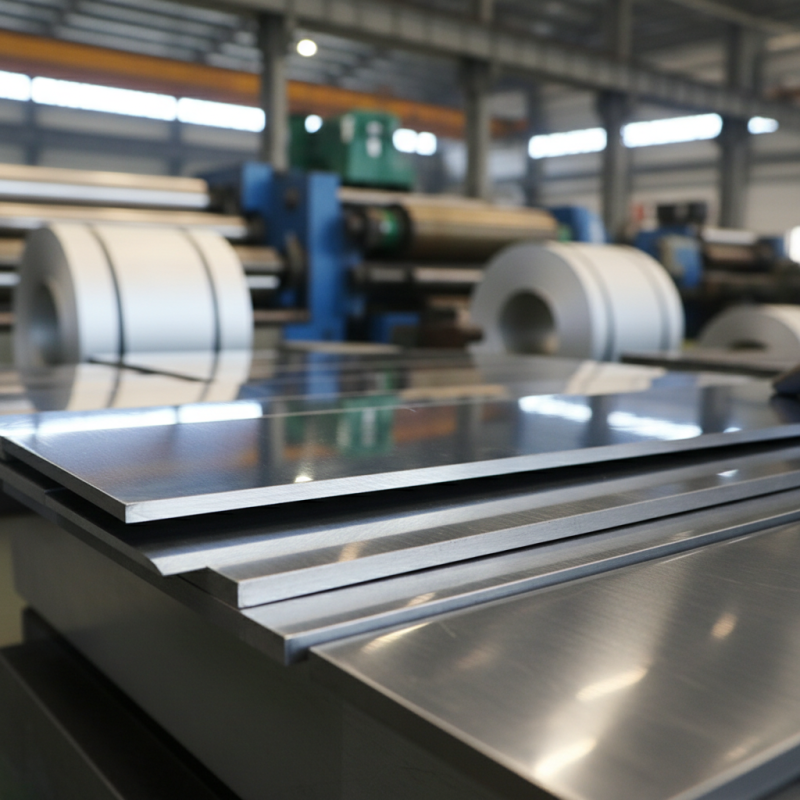
Understanding 430 Stainless Steel: Composition and Properties
430 stainless steel is a widely used material known for its corrosion resistance and aesthetic appeal. It primarily contains chromium, generally around 16-18%, which enhances its durability. This grade of stainless steel is magnetic, making it suitable for various applications, including kitchenware and automotive components.
One notable aspect of 430 stainless steel is its ease of fabrication. It can be readily formed into strips and sheets. However, while it boasts excellent oxidation resistance, it is not suitable for high-temperature applications. This limitation can result in challenges when sourcing high-quality strips for specific industrial needs. Understanding these properties helps consumers make informed decisions when choosing materials for their projects.
When looking to source 430 stainless steel strips, it's crucial to consider the supplier's credibility. Remember, not all materials are created equal. Some suppliers might offer lower-quality products, impacting your project's overall performance. Therefore, evaluating the chemical composition and mechanical properties of the strips is essential. A well-informed choice can prevent issues down the road.
Identifying Reliable Suppliers for High-Quality Steel Strips
When sourcing high-quality 430 stainless steel strips, identifying reliable suppliers is crucial. The reputation of a supplier often reflects the quality they provide. Look for suppliers with extensive experience in metal sourcing. Check their track record for customer satisfaction and product quality. Engaging with experienced professionals in the industry can provide insights into the best suppliers.
It's important to assess certifications and standards. Suppliers should comply with international quality standards. Request documentation that verifies their capabilities. This ensures you are not settling for inferior products. Additionally, visit their production facility if possible. Observing their processes gives you direct insight into their operations.
Building relationships with potential suppliers can be beneficial. Communication is key in understanding their product range and pricing. However, not every interaction will be smooth. Some suppliers may not meet expectations, leading to frustrating experiences. Reflecting on these interactions can guide future sourcing efforts and help refine what qualities are most important for your needs.
Evaluating the Manufacturing Processes for Stainless Steel Strips
Evaluating the manufacturing processes for 430 stainless steel strips is essential to ensure quality. Several methods are used in production. Each process has distinct advantages and challenges. Common techniques include cold rolling and hot rolling. Cold rolling often yields a smoother finish but may require more energy. Hot rolling can achieve specific shapes, yet surface quality might suffer.
Quality control is paramount during production. Inspecting raw materials is crucial. Testing for chemical composition and mechanical properties helps maintain standards. Some manufacturers may overlook these steps, leading to inconsistencies. It's important to assess each manufacturer's processes. Transparency in operations is a sign of reliability.
Understanding the intricacies of manufacturing can help in sourcing. Many factors influence the final product's quality. Stripping down the processes reveals potential areas for improvement. Owners should frequently audit their production lines. Regular evaluations can expose hidden flaws and improve outcomes. Identifying weaknesses paves the way for better quality control strategies.
Comparing Certifications and Standards in Stainless Steel Production
When sourcing high-quality 430 stainless steel strips, understanding certifications and standards is crucial. The most recognized certifications include ASTM, ISO, and EN standards. Each of these ensures that the steel meets specific criteria, such as strength, corrosion resistance, and ductility.
Manufacturers often indicate these certifications on their products. However, not all suppliers provide transparent information, making it difficult to verify quality. A thorough inspection of the documentation is essential. Sometimes, even well-known suppliers may overlook certain standards, leading to potential issues in production.
Moreover, different countries may have varying standards for stainless steel. This can create confusion when sourcing internationally. Familiarizing yourself with these differences can save time and resources. Quality control processes in factories can also vary, emphasizing the need for due diligence. Engaging with suppliers directly can foster better understanding and trust. In the end, a clear grasp of certifications and standards will aid in sourcing the best materials.
Tips for Negotiating Prices and Terms with Steel Suppliers
Negotiating prices and terms with steel suppliers is crucial. Price fluctuations in the stainless steel market can significantly impact your budget. According to the World Steel Association, the average price of stainless steel fluctuates due to demand and production costs. Understanding market trends is key.
Build strong relationships with suppliers. Reliable suppliers often provide better pricing. Regular communication fosters trust. Discuss your needs clearly. Ask about minimum order quantities and payment terms. Transparency in expectations can lead to more favorable negotiations.
Consider conducting thorough research. Data from industry reports can reveal competitive pricing across various suppliers. For instance, studies show that sourcing from multiple suppliers can reduce costs by at least 10%. Look for quotes and leverage them to negotiate better terms. High-quality materials often come with a higher price, but don't overlook the importance of durability and reliability. A focus on quality can lead to long-term savings.
Price Comparison of High Quality 430 Stainless Steel Strips
 North American Safety Valve Industries, Inc.