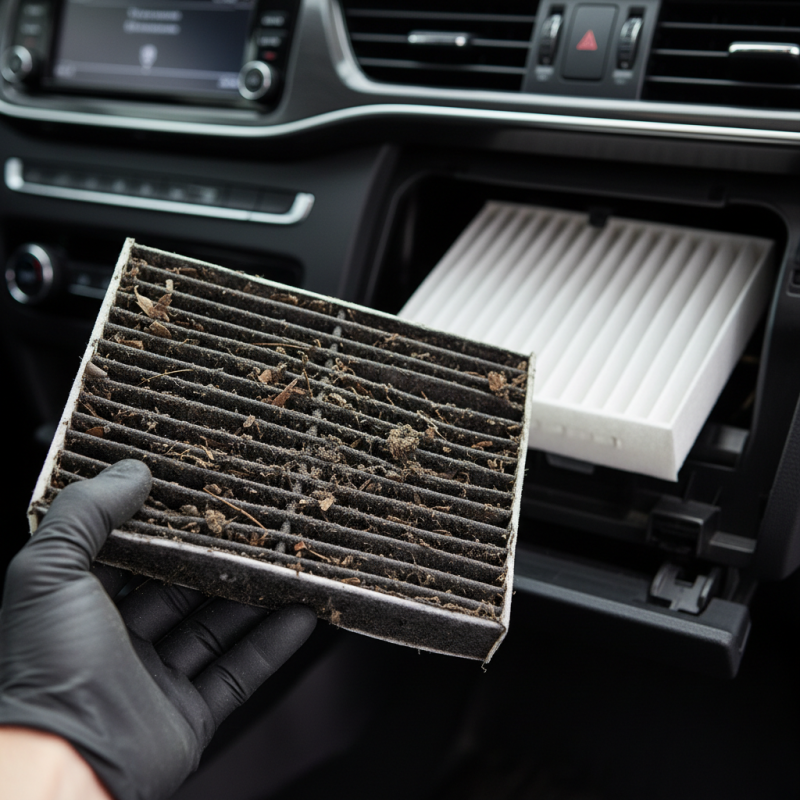
Top 10 Signs Your Cabin Filter Needs Replacement?
A Cabin Filter is a crucial component of your vehicle's air system. It ensures clean air for passengers by filtering out dust, pollen, and pollutants. When this filter deteriorates, you may not notice it right away. However, various signs can indicate it needs replacement.
Symptoms range from unpleasant odors to reduced airflow, all of which impact comfort. It's essential to stay vigilant about these signals. Your health and driving experience rely on a functional cabin filter. When neglected, dirty air can lead to discomfort and affect air quality inside your vehicle.
Being aware of the signs will help you act in time. Regular check-ups can prevent bigger issues down the line. After all, a clean cabin environment contributes to a better driving experience. Stay informed to keep your cabin filter in check!
Common Symptoms Indicating a Faulty Cabin Filter
A cabin filter plays a crucial role in your vehicle. It cleans the air entering the cabin. Over time, it can become clogged or damaged. Here are common symptoms indicating a faulty cabin filter.
One noticeable sign is reduced airflow from the vents. If you notice that air is barely coming through, the filter may be blocked. Another symptom is unpleasant odors. A dirty filter can harbor mold or bacteria. This leads to foul smells wafting through your car.
Tips: Regularly check the manual for your replacement schedule. It often indicates when to change the cabin filter. Consider changing it more frequently if you drive in polluted cities. Dust and pollen can accumulate faster than expected.
You might also experience increased allergy symptoms while driving. If you sneeze or cough more than usual, consider your cabin filter. It might not be filtering allergens effectively. Remember, replacing the cabin filter can make a noticeable difference in air quality. Don't overlook this key component of your comfort and health on the road.
Decreased Airflow through the Vehicle’s Ventilation System
A declining airflow through your vehicle’s ventilation system can indicate a need for a cabin filter replacement. When the filter becomes clogged, air cannot circulate freely. This can lead to a stuffy cabin and increased allergens in your car. The average person spends about 300 hours in their vehicle annually. Poor air quality can impact your overall health and comfort in those hours.
According to a report by the University of Michigan Transportation Research Institute, up to 40% of surveyed drivers noticed decreased airflow when their cabin filter was dirty. Clogged filters can also reduce the efficiency of your vehicle's HVAC system. Drivers may find themselves turning up the air conditioning or heater, leading to increased fuel consumption. A clean cabin filter helps maintain optimal airflow, improving the climate control performance by around 30%.
When airflow decreases, many overlook the obvious sign—unpleasant odors may start to linger. Sometimes, this is mistaken for a larger issue. In reality, it may just be a dirty filter. Ignoring these signs can lead to more significant problems over time. Make it a habit to check your cabin filter every 12,000 miles or once a year. This small maintenance task can make a big difference in your driving experience.
Top 10 Signs Your Cabin Filter Needs Replacement
| Sign # | Description | Impact |
| 1 | Decreased airflow through the vents | Reduced comfort and ventilation |
| 2 | Unpleasant odors inside the vehicle | Potential allergens and pollutants present |
| 3 | Increased dust accumulation in the cabin | Poor air quality and visibility |
| 4 | Frequent fogging of windows | Impaired visibility |
| 5 | Strange sounds from the ventilation system | Indicates blockage or damage |
| 6 | Reduced heating or cooling efficiency | Inconsistent temperature control |
| 7 | Increased cabin humidity | Potential mold growth |
| 8 | Visible debris on the filter | Reduced filtering effectiveness |
| 9 | Dashboard warning lights triggered | System malfunction |
| 10 | Age of the filter exceeds recommended lifespan | No longer effective at filtration |
Unpleasant Odors Inside the Cabin While Driving
Unpleasant odors inside your vehicle can be a sign that your cabin filter needs replacement. When you notice strange smells, it’s often due to the accumulation of dust, mold, and other pollutants. These particles can block airflow and overwhelm the filter. If the air smells musty, it can indicate trapped moisture and mildew. This is unpleasant and unhealthy.
Driving with an ineffective cabin filter can worsen the air quality in your car. You might feel headaches or fatigue from inhaling stale air. If you recently detected a foul odor when you turn on the AC, it’s time to check the filter. A simple replacement could refresh the air and eliminate those unwanted scents.
Sometimes, people overlook the importance of maintaining a clean cabin filter. It’s easy to forget about this essential part of your vehicle. Regular checks can help prevent more serious problems in the long run. Pay attention to these signs and take action to ensure your driving experience remains comfortable and pleasant.
Increased Dust Accumulation on Car Surfaces
Increased dust accumulation on car surfaces can indicate a problem with your cabin filter. This filter cleans the air entering your vehicle. If it's clogged, dust and allergens might seep in. You may notice a thin layer of dust on your dashboard or seats. This is not just an aesthetic issue; it can affect your health. Breathing in this dust while driving is not ideal.
You may also feel that the air inside the car is stale. If the filter is dirty, it cannot do its job effectively. Even with the windows closed, dust can find its way inside. Pay attention to sneezing or coughing while driving. These are signs that your environment may be compromised. A clean cabin filter will improve air quality and make your ride more pleasant.
Sometimes, it’s easy to overlook. You might think the dust is just part of life. But, regular checks can save you from bigger issues later. Ignoring this small task can lead to a less comfortable experience in your car.
Frequent Interference with Air Conditioning Efficiency
When your cabin filter starts to degrade, it interferes with your air conditioning's efficiency. A clogged filter restricts airflow and causes the system to work harder. According to industry reports, replacing a dirty cabin filter can improve air conditioning efficiency by up to 10%. A clean filter allows fresh air to circulate without blockage.
Pay attention to strange odors. Bad smells indicate mold or contaminants trapped in the filter. Reduced airflow signals that the filter is obstructed. Many drivers overlook these signs until the situation worsens, leading to costly repairs. Regular inspections are essential.
Tips: Check your cabin filter every 12,000 miles. Replace it if it looks dirty. Clean filters ensure better airflow and a comfortable ride. Remember, a well-maintained cabin filter provides a healthier environment, free from allergens and pollutants. Don't wait until problems arise; be proactive.
Top 10 Signs Your Cabin Filter Needs Replacement
 North American Safety Valve Industries, Inc.