What is a Shale Shaker Screen and How Does It Work?
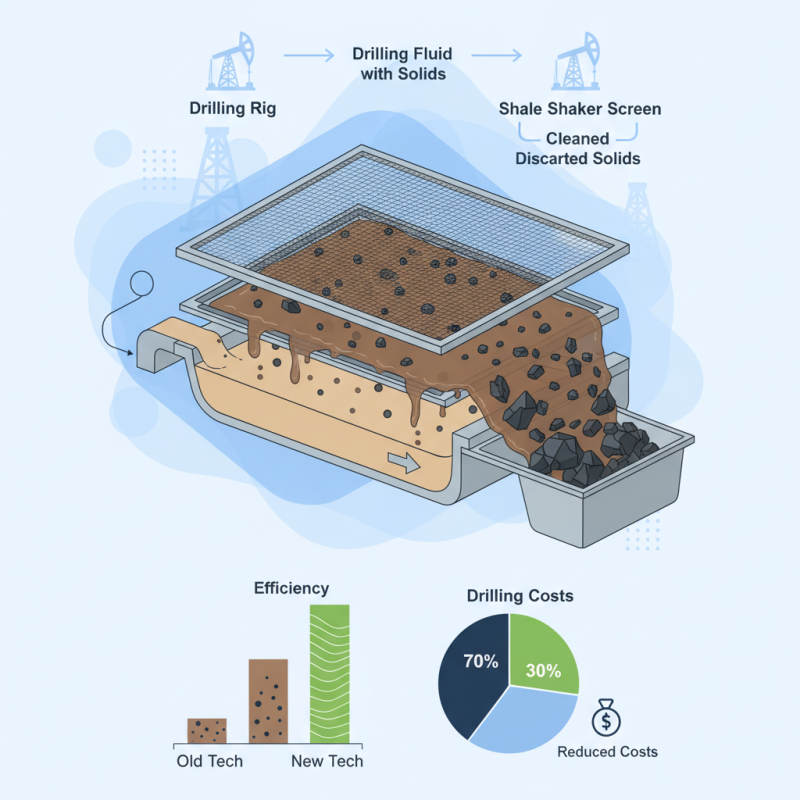
The shale shaker screen is a crucial component in the drilling industry. It plays a significant role in separating solid particles from drilling fluids. According to the American Petroleum Institute, nearly 70% of drilling costs arise from time lost due to inefficient fluid management. By optimizing this process, operators can enhance efficiency and reduce costs.
With the global demand for oil and gas increasing, the importance of shale shaker screens becomes evident. They are essential for maintaining the quality of drilling mud. In fact, a study by Baker Hughes indicates that effective solids control can lead to up to a 30% reduction in total drilling expenses. However, many industry players struggle with screen selection and maintenance, leading to suboptimal performance.
Challenges remain in ensuring the right balance between screen mesh size and fluid properties. The industry often finds itself relying on outdated technology. This leaves room for improvement and innovation in design and materials. Thus, understanding how a shale shaker screen works is vital for modern drilling operations. The need for accurate information is stronger than ever.
What is a Shale Shaker Screen?
A shale shaker screen is a vital component in the process of drilling for oil and gas. It acts as a filtration tool, separating drill cuttings from the drilling fluid. When drilling occurs, a large volume of mud circulates to cool the drill bit and provide pressure. As the drill bit penetrates the earth, rock fragments known as cuttings are produced. These cuttings must be removed efficiently to maintain drilling performance.
The screens are made from a combination of metal and synthetic materials. They come in various mesh sizes, allowing operators to choose according to specific drilling conditions. Reports suggest that a proper selection can enhance fluid recovery by up to 30%. Inadequate screens can lead to larger cuttings remaining in the fluid, which can ultimately cause problems in the drilling process. Often, these issues can lead to operational inefficiencies and increased maintenance costs.
However, not all screens are created equal. Some screens may be prone to damage, particularly in harsher environments. Regular inspection and maintenance are crucial. Operators must be vigilant about wear and tear. Ignoring these factors can lead to costly down-time during drilling operations. Additionally, the cost-effectiveness of different screen types can vary significantly, affecting overall project budgets. Choices made here require serious consideration.
What is a Shale Shaker Screen and How Does It Work?
| Aspect | Details |
| Definition | A shale shaker screen is a vital component of a shale shaker, used in the oil and gas industry to separate solids from drilling fluid. |
| Material | Typically made from woven wire mesh, polyurethane, or composite materials. |
| Function | It vibrates to help separate solid particles from drilling fluids, allowing cleaner fluid to return to the drilling process. |
| Types | There are various types based on mesh size and application, including coarse, fine, and dual-layer screens. |
| Benefits | Improves mud cleaning efficiency, enhances drilling performance, and reduces the costs associated with fluid disposal. |
| Maintenance | Regular inspections and cleaning are essential to maintain optimal performance and extend the screen's lifespan. |
Key Components of a Shale Shaker Screen
A shale shaker screen is a crucial component in the drilling process. It helps separate drilled solids from the drilling fluid. Understanding its key components can lead to better efficiency in operations.
The most important element is the screen mesh itself. It determines the size of particles that can pass through. Typically, a mesh size of 100-200 microns effectively separates cuttings.
Another critical component is the
frame, which holds the screen in place. A sturdy frame enhances the screen’s durability, allowing it to withstand significant stress.
The
vibration system is vital for optimal performance. It ensures effective shaking of the screen, allowing solids to move downward while fluids pass through. The choice of
vibration frequency can impact efficiency. A frequency that is too low might not work effectively. Conversely, too high may cause premature wear.
Tips: Regular maintenance of the shale shaker screen is essential. Check for wear and tear often. Replace screens when needed to avoid efficiency loss. Moreover, consider adjusting the mesh size depending on the drilling depth. This decision can significantly influence the overall drilling performance. Always review operational data to make informed adjustments.
How a Shale Shaker Screen Functions in Drilling Operations
A shale shaker screen is vital in drilling operations. It separates drill cuttings from the drilling fluid. This helps maintain the fluid's properties and efficiency. The screen is made of fine mesh materials. These screens come in various sizes depending on the drilling conditions.
During drilling, the shaker vibrates to enhance separation. As the drilling fluid flows across the screen, solids are filtered out. The cleaned fluid is returned to the drilling rig. This process significantly reduces waste. However, screens need regular inspection and replacement. Mismanagement can lead to slower drilling.
A common issue is screen blinding. This happens when particles clog the mesh. As a result, fluid flow decreases. Operators must monitor this closely. Spotting clogs early can save time and costs. The effectiveness of a shale shaker screen directly impacts the overall operation. Hence, it requires constant attention and frequent adjustments.
Types of Shale Shaker Screens and Their Applications
Shale shaker screens are crucial in the oil and gas industry. They separate the solid particles from the drilling fluid. This process helps in maintaining the flow and efficiency of drilling operations. A typical shale shaker screen can remove particles as small as 20 microns. This precision ensures the longevity of the drilling equipment.
There are various types of shale shaker screens based on their construction and application. Metal mesh screens, for example, are widely used due to their durability and effectiveness. In contrast, composite screens offer flexibility and a lighter weight. According to recent industry reports, the market for shale shaker screens is expected to grow by approximately 5% annually. This growth is driven by increasing exploration activities worldwide.
However, challenges remain. Screen blinding can occur, which reduces efficiency. Frequent maintenance is sometimes required to prevent this issue. Proper selection of screen type plays a critical role in performance. The industry needs to invest more in innovation. Better materials could enhance screen lifespan and performance. The future of shale shaker technology relies on addressing these imperfections.
Maintenance and Optimization of Shale Shaker Screens
Maintaining shale shaker screens is crucial for optimal performance. These screens separate solid materials from drilling fluids. Regular checks are essential. Inspect for tears or wear on the screen surface. A small hole can lead to a significant drop in efficiency. Operators often overlook minor damages. It's essential to catch these early.
Cleaning the screens is another vital task. Accumulated debris can impair function. Use a high-pressure washer to clean thoroughly. However, ensure the pressure is not so high that it damages the screen material. Adjust cleaning frequency based on drilling conditions. Heavy mud can require more frequent cleaning.
Optimizing screen choice impacts overall effectiveness. Selecting the right mesh size is key. Too fine may clog easily, while too coarse won't filter adequately. Many operators experiment with different options. This can be time-consuming and requires careful documentation. Reflecting on past choices can lead to better decisions in the future. Balancing maintenance and optimization is a continuous process in shale shaker management.
 North American Safety Valve Industries, Inc.