Top Quality Tablet Press Dies for Global Buyers?
In the competitive world of tablet production, the choice of Tablet Press Dies is crucial. High-quality dies impact efficiency and product consistency. Buyers globally seek dies that meet industry standards and ensure reliable performance.
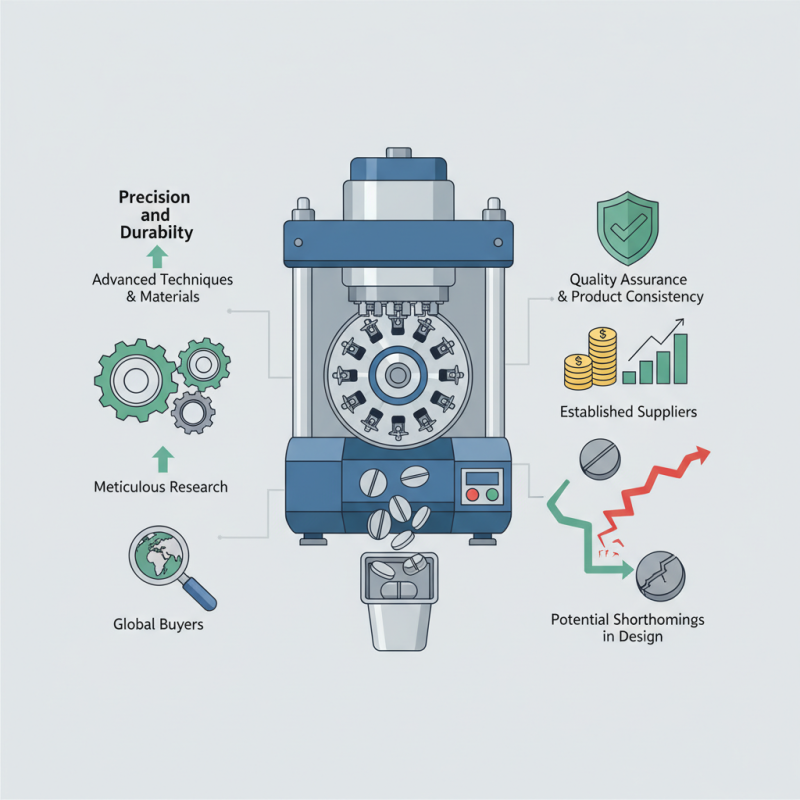
The demand for precision and durability in Tablet Press Dies is ever-increasing. Manufacturers must use advanced techniques and materials to meet these demands. There can be mistakes in design, leading to inefficiencies. Sourcing from established suppliers can help mitigate risks.
Quality assurance plays a vital role in the production process. Buyers should consider vendors with proven track records. However, some providers may fall short of expectations. Understanding the importance of meticulous research can guide global buyers toward their ideal Tablet Press Dies. This journey involves an exploration of both innovation and tradition in tablet manufacturing.
Understanding the Importance of Tablet Press Dies in Pharmaceutical Manufacturing
The tablet press die plays a crucial role in pharmaceutical manufacturing. It shapes and compresses the powder into tablets. Properly designed dies enhance production efficiency. However, quality variations can lead to inconsistent tablet performance. A tablet press die’s craftsmanship directly impacts the tablet's durability and release characteristics.
Understanding the materials used in tablet press dies is essential. High-quality materials withstand wear and tear better. This ensures longer service life and fewer production interruptions. Yet, some manufacturers may overlook the importance of regular maintenance. Neglecting this can lead to unplanned downtime and increased costs. Investing in reliable tablet press dies is key for operational success.
Pharmaceutical manufacturers must prioritize training and technology. Staff should understand the nuances of die quality and design. Limited knowledge can result in production flaws. Continuous education helps teams recognize signs of wear or malfunction. This proactive approach fosters a culture of excellence in manufacturing processes. A commitment to quality ultimately leads to better patient outcomes.
Key Features to Look for in High-Quality Tablet Press Dies
When evaluating tablet press dies, several key features deserve attention. Precision in design is crucial. High-quality dies ensure accurate tablet formulations, impacting product efficacy. Consistency in die manufacturing leads to uniformity in tablet dimensions. This is essential for pharmaceutical and nutritional industries.
Material quality also plays a significant role. Robust materials resist wear and tear, extending the life of the dies. Stainless steel is often preferred for its durability and resistance to corrosion. Moreover, the surface finish can influence tablet release. A smooth finish reduces friction, promoting smoother production runs.
Additionally, compatibility with different tablet presses is important. Dies must fit various machinery types seamlessly. This flexibility enhances productivity and reduces operational costs. However, many buyers overlook this aspect, focusing solely on cost. Choosing the right die requires careful consideration and some level of experience.
Types of Tablet Press Dies Used in the Industry
Tablet press dies are essential tools used in the pharmaceutical industry for producing tablets. Various types of tablet press dies cater to different needs and requirements. Among them, the most common types are round and specialty dies. Round dies are versatile and widely implemented in many applications. They offer consistent compaction and efficient production rates.
Specialty dies include unique shapes for specific products. These can accommodate complex designs, such as logos or intricate patterns. They are often used for creating tablets that differentiate products in the market. The choice between dies involves understanding the end product's desired characteristics and the materials used. Some manufacturers face challenges in maintaining die integrity.
The quality of materials used for dies significantly impacts their longevity. It is crucial to ensure that dies are corrosion-resistant and durable. Proper maintenance is also essential for reliable performance. Industry professionals often require training to manage dies effectively. This ongoing training can enhance both productivity and safety standards. Investing in high-quality tablet press dies pays off in the long run. However, organizations must remain vigilant in their practices to avoid potential flaws in production.
Global Market Trends for Tablet Press Dies: A Buyer’s Guide
The global market for tablet press dies is experiencing notable trends, underscoring the importance for buyers to stay informed. According to a recent market report, the tablet press die market is projected to grow at a compound annual growth rate (CAGR) of 6.5% through 2025. This growth is driven by rising demand in the pharmaceutical and nutraceutical industries. Buyers should consider factors such as manufacturing materials, technology advancements, and customization options when evaluating their choices.
Quality is essential, but not all dies are created equal. A study highlights that nearly 30% of buyers report issues with die wear and performance inconsistency. These challenges can lead to production downtime and increased costs. It is crucial for buyers to conduct thorough supplier evaluations and seek out manufacturers that demonstrate both technological expertise and a commitment to quality assurance. Adopting a critical eye can help buyers avoid potential pitfalls in this complex market.
Top Manufacturers of Tablet Press Dies: Who to Consider for Quality
When considering tablet press dies, buyers need reliable manufacturers. The quality of these dies can significantly impact production efficiency. Not all manufacturers offer the same standard. Each has its strengths and weaknesses.
Some manufacturers specialize in high-precision dies, essential for complex formulations. These can produce tablets with minimal defects. However, precision often comes at a higher price. Buyers must weigh the cost against the potential benefits. It's crucial to analyze the long-term value.
Additionally, manufacturers with a solid track record often have years of experience. They might also provide valuable technical support. But experience doesn’t always equate to innovation. Some established players can be slow to adapt to new technologies. Exploring newer companies may uncover exciting advancements. Buyers need to research carefully, evaluating each option thoroughly.
 North American Safety Valve Industries, Inc.