What is a Lamination Machine and How Does it Work?
In today's fast-paced manufacturing world, the Lamination Machine plays a crucial role in various industries. According to a recent market research report, the global lamination equipment market is projected to reach $3.5 billion by 2026, with a growth rate of over 5% annually. This growth highlights the increasing demand for quality and durability in products across sectors.
Lamination Machines are essential for protecting materials from moisture, dirt, and wear. They create a barrier that enhances the longevity of printed materials, packaging, and more. For instance, businesses can extend the life of marketing materials, reducing waste and saving costs. However, despite their advantages, improper use of these machines can result in bubbles, wrinkles, and uneven lamination, which can compromise the final product's quality.
As technology evolves, lamination techniques are becoming more sophisticated. New models offer faster speeds and improved efficiency. Yet, operators must remain vigilant. Neglecting proper maintenance can lead to breakdowns and production delays. In an industry where precision is key, understanding how a Lamination Machine operates is vital for success.
What is a Lamination Machine?
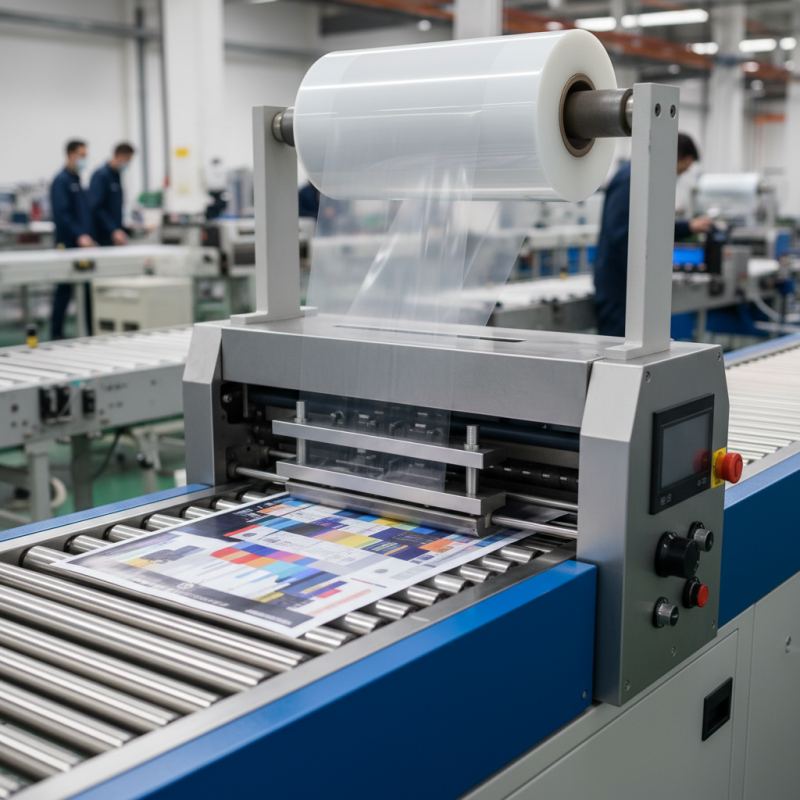
A lamination machine is a device used to apply a protective layer to various materials. It typically uses heat and pressure to bond a transparent plastic film over documents, photos, and other items. This process enhances durability and gives a polished look. Many people appreciate how it helps prevent wear and tear. It makes prints resistant to water, dirt, and fading.
The operation of a lamination machine is quite fascinating. Users feed items into the machine, where rollers grip them firmly. Heat is then applied, melting the adhesive on the plastic film. The items pass through, creating a seamless bond. Sometimes, mismatches occur, leading to bubbles or wrinkles. Users often find frustrations here. A perfect finish isn’t guaranteed on the first try.
Lamination machines come in various sizes, catering to different needs. Some are compact for home use, while others are larger for commercial purposes. Increasing the thickness of the film can lead to better protection but may require adjustments in technique. Experimentation is key to mastering lamination. Users must be patient, as every project offers a chance to learn and improve.
The Different Types of Lamination Machines Available
Lamination machines come in various types, each designed for specific applications. Some popular types include pouch laminators, roll laminators, and cold laminators. Pouch laminators are common in offices for quick and easy laminating tasks. These machines use pre-formed pouches to protect documents. They are great for small projects and easy to operate.
Roll laminators, on the other hand, are suitable for larger jobs. They can laminate large sheets of paper or different materials. According to industry reports, roll laminators are preferred in schools and print shops. They can handle higher volumes, making them efficient. However, they require more space and maintenance.
Cold laminators work without heat, making them a safer option for sensitive materials. These machines utilize pressure-sensitive adhesive. While they are not as commonly used, they are essential for unique projects. The versatility of lamination machines means there is a type for most needs. Yet, not every type is perfect. Users often complain about the learning curve for proper usage. Understanding the right machine can greatly affect the outcome of laminated projects.
What is a Lamination Machine and How Does it Work?
| Type of Lamination Machine | Working Principle | Common Uses | Advantages | Disadvantages |
| Thermal Lamination Machine | Uses heat and pressure to melt the adhesive on the laminate film, bonding it to the substrate. | Documents, photos, and packaging materials. | Provides a high-gloss finish and durability. | Requires specific temperature settings; not suitable for heat-sensitive materials. |
| Cold Lamination Machine | Applies pressure to adhesive-backed laminate without heat, allowing for easy application. | Banners, graphics, and sensitive documents. | User-friendly; suitable for heat-sensitive materials. | May not provide as durable a finish compared to thermal laminating. |
| Pouch Lamination Machine | Sheets and pouches containing the document are heated to laminate the content. | Single documents or small batches of materials. | Compact and affordable for small office use. | Limited to smaller sizes and may not handle large volumes efficiently. |
| Roll Lamination Machine | Uses rolls of laminate film and feeds items through the machine for continuous lamination. | High-volume lamination for large sheets and banners. | Highly efficient and suitable for bulk processing. | Higher initial investment and training for operation may be necessary. |
How Does a Lamination Machine Operate?
A lamination machine is essential in many industries. It protects documents, cards, and photos from damage. The process involves applying a thin layer of plastic over the surface. This layer enhances durability, making items resistant to wear and tear.
When operating a lamination machine, the material passes through heated rollers. These rollers apply pressure and heat, sealing the plastic layer tightly. Temperatures typically range from 250 to 350 degrees Fahrenheit. Reports indicate that the global lamination market was valued at approximately $4.5 billion in 2022, showing a steady annual growth rate of around 4%. As demand increases, efficiency becomes more essential.
However, not all lamination is perfect. Some machines produce bubbles or wrinkles in the laminate. That can result in wasted materials and time. Operators need to closely monitor settings to ensure quality. With the market growing, understanding operational challenges is crucial for success.
Applications of Lamination Machines in Various Industries
Lamination machines are crucial in various industries. They provide durability and protection for materials like paper, plastic, and metal. In the packaging sector, lamination enhances product shelf life. It protects items from moisture and damage.
In the graphic design and printing industries, laminating improves presentation. Brochures and posters look more vibrant and professional. Laminated materials resist fading and wear over time. This is an essential quality for promotional items.
Tips: Always select the right lamination thickness based on the item. Thinner laminations may not provide enough protection. Regular maintenance of the lamination machine is vital for consistent results. If the machine jams, troubleshoot before proceeding. Keeping a detailed log of usage can help identify patterns or recurring issues.
Maintenance Tips for Lamination Machines
Maintaining a lamination machine is crucial for its performance. Proper care can extend its lifespan and ensure consistent results. Industry reports indicate that over 30% of machine malfunctions stem from inadequate maintenance. Regular inspection helps to identify wear and tear early on.
Start with the rollers. They should be cleaned regularly to avoid adhesive buildup. Use a soft cloth and suitable cleaning agent. If misalignment occurs, the quality of lamination will suffer. Don’t forget to check the heating elements. An underperforming heater can lead to incomplete lamination.
Another key aspect is to monitor the machine’s temperature settings. Overheating can damage materials and lead to wastage. Experts recommend calibrating the machine every few months. This simple step can prevent significant issues down the line. Moreover, keeping a maintenance log can highlight recurring problems, and it can drive decision-making for future upgrades.
 North American Safety Valve Industries, Inc.