What is an Industrial PC and How is it Used?
In the rapidly evolving landscape of technology, understanding the role of an Industrial PC is crucial. An Industrial PC is not just a standard computer; it is designed for harsh environments. It combines durability, reliability, and processing power needed for industrial applications. "Industrial PCs should integrate seamlessly into existing systems without compromising performance," says Dr. Emily Chen, a recognized expert in industrial automation.
These powerful machines are found in factories, control rooms, and various manufacturing processes. They handle tasks such as data processing, machine control, and real-time monitoring. Companies are increasingly turning to Industrial PCs to improve efficiency and reduce downtime. However, challenges remain. Selecting the right Industrial PC can be daunting. Each application has unique requirements. It demands careful consideration of factors like heat resistance, power supply, and connectivity.
The importance of an Industrial PC cannot be overstated. Yet, many organizations struggle to implement them effectively. Understanding specifications is key. Inadequate knowledge can lead to poor investment choices. The Industrial PC market continues to grow, but it is vital to pause and reflect on what truly meets operational needs.
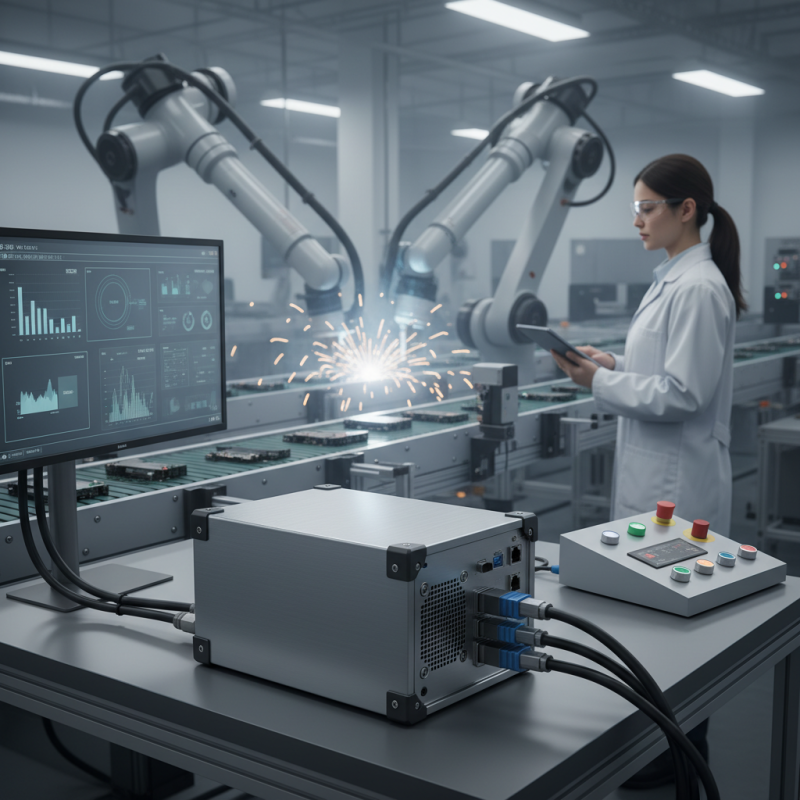
Definition of Industrial PC and Key Characteristics
Industrial PCs are specialized computing devices designed for harsh environments. They differ from standard PCs in several key aspects. Built to withstand extreme temperatures, humidity, and dust, industrial PCs often feature a rugged housing. Their durability is essential for reliability in manufacturing and other industrial applications.
Efficiency is another hallmark. Many industrial PCs use low power consumption designs, ensuring they operate continuously without excessive energy costs. They often include fanless designs, reducing the risk of mechanical failure. Moreover, these systems typically support a range of communication protocols. This versatility makes them suitable for various applications in automation and control systems.
It's important to note that while industrial PCs are robust, they're not infallible. The technology may age, leading to performance issues or compatibility challenges with newer software. Regular maintenance is crucial to ensure optimal performance. Inadequate planning for software updates can result in downtime, disrupting production processes. Balancing reliability and efficiency is vital in industrial settings.
Industrial PC Performance Comparison
This chart compares key performance characteristics of Industrial PCs including processing power, memory, storage capacity, and operational temperature range. These specifications are crucial for evaluating the suitability of Industrial PCs for various applications in harsh environments.
Common Applications of Industrial PCs in Various Industries
Industrial PCs are robust computing solutions widely used across various industries. They are designed to operate in challenging environments and can withstand extreme temperatures, vibrations, and dust. These devices play a crucial role in areas such as manufacturing, transportation, and energy management. According to a recent market report, the global industrial PC market is projected to grow at a CAGR of 6.2% from 2021 to 2028, indicating their increasing adoption in industrial applications.
In manufacturing, industrial PCs help monitor production processes and ensure quality control. Real-time data analysis improves efficiency and reduces downtime. In transportation, these PCs manage fleet operations, enabling GPS tracking and route optimization. The energy sector uses them for control systems in renewable energy plants, increasing performance and reliability. The versatility of industrial PCs makes them invaluable in automation and control, enhancing operational capabilities.
Tip: Always assess the specific environmental conditions where the industrial PC will be used. Consider factors like temperature and dust levels to ensure optimal performance.
Despite their advantages, implementing industrial PCs can be challenging. Organizations must invest in training personnel effectively. This can lead to inefficiencies if not handled skillfully. Regular updates and maintenance are necessary to keep these systems running smoothly.
Tip: Schedule regular assessments to identify potential weaknesses in your industrial PC systems. Continuous improvement is vital for maintaining efficiency and reliability.
Differences Between Industrial PCs and Standard PCs
Industrial PCs and standard PCs serve different functions and environments. Industrial PCs are designed for harsh conditions. They can operate in extreme temperatures, humidity, and dust. This durability makes them essential in manufacturing. In contrast, standard PCs are often used in controlled environments like homes and offices.
One key difference lies in reliability. Industrial PCs are built to run continuously, reducing downtime. Regular PCs may struggle under constant use. They often face hardware failures that industrial models handle more effectively. Additionally, industrial PCs can feature extended warranties to ensure long-term support. This aspect is crucial for industries that rely on uninterrupted operations.
Tips: When choosing an industrial PC, consider your operating environment. Check specifications for temperature tolerance and dust resistance. These factors can significantly affect performance and longevity. Regular maintenance is also vital. Ensure your systems are clean and free of debris. This simple step enhances reliability and efficiency in industrial settings.
Factors to Consider When Choosing an Industrial PC
When selecting an industrial PC, several key factors come into play. The environment in which the PC will operate is crucial. These devices often face extreme temperatures, dust, and vibrations. Choosing an industrial PC that meets these environmental standards ensures durability and longevity. It is essential to assess the location and conditions of its usage.
Performance specifications are equally important. The workload and tasks the PC will handle must guide your choice. A system with sufficient processing power and memory can prevent slowdowns. Inadequate configurations can lead to frustrations and downtime. It's wise to estimate future needs, as requirements may grow over time.
Compatibility with existing systems and hardware should not be overlooked. Ensuring seamless integration can save time and resources in the long run. Investing in the wrong type of connectivity options may lead to additional costs. Reflect on these considerations carefully. The right industrial PC can optimize operations, but the decision-making process demands thorough thought and research.
Future Trends in Industrial PC Technology and Usage
The landscape of industrial PC technology is rapidly evolving. Automation and IoT integration drive this change. As factories increasingly adopt smart technologies, the role of industrial PCs becomes more crucial. These devices now process vast amounts of data from connected machinery. Enhancements in processing power and energy efficiency also play a key role.
Future trends include edge computing and AI integration. Edge computing allows data processing closer to the source. This reduces latency and improves operational efficiency. Meanwhile, AI can enhance predictive maintenance. It can identify potential equipment failures before they occur. Nevertheless, the implementation of such technologies is not without challenges.
Security remains a major concern. As industrial PCs connect to larger networks, they become vulnerable to cyber threats. Companies must invest in robust cybersecurity measures. Moreover, the skills gap within the workforce poses another issue. Finding technicians who can manage this advanced technology is increasingly difficult. Addressing these challenges will be essential for successful integration.
 North American Safety Valve Industries, Inc.