7 Dust Proof Mask Buying Tips for Global Buyers

Choosing a Dust Proof Mask for global sourcing is more than comparing unit prices. A mask that looks sturdy may still fit poorly or feel uncomfortable during a long shift. Small details matter: nose clips, strap tension, seam quality, and the space around the cheeks. Start with the intended particles, work conditions, and expected wear time. Then check whether the product’s stated performance and supporting documents match those needs. Claims deserve careful review.

This guide presents seven practical buying tips for international buyers, from assessing fit and materials to checking samples and supplier records. Ask for clear specifications, consistent test documentation, and details about production quality. Where protection depends on a particular hazard, consult a qualified safety professional and follow applicable workplace guidance. No single checklist can replace that step. A polished brochure is useful, but it is not proof of reliable performance. Compare samples under realistic conditions, note pressure points, and ask how defects are handled. These checks may take extra time. Still, choosing only by the lowest quote can create avoidable problems later. The right purchasing decision balances documented performance, comfort, consistency, and clear communication across borders.
7 Dust Proof Mask Buying Tips for Global Buyers

Understand Dust Hazards and the Protection Levels Masks Provide

Dust is not all alike. A mask that catches visible sawdust may not protect well against fine particles from sanding, cement, or flour handling. Smaller airborne particles can stay suspended and reach deeper into the lungs. Read the product’s stated protection class and the testing standard behind it; ratings differ between markets. A label alone does not prove that a mask fits your face.

Tip: Match protection to the task. Check the hazard information for the material, especially when dust may contain silica, mold, or other harmful particles. Particulate masks do not protect against gases or vapors. If the hazard is unclear, ask a qualified safety professional before buying. Fit matters. A simple seal check can reveal gaps around the nose or cheeks, though it is not a substitute for formal fit testing where required.

Look for adjustable straps, a nose clip, and a shape that stays sealed while you speak or bend. Facial hair can break the seal. Replace a mask when it becomes damaged, damp, dirty, or hard to breathe through. It is easy to focus on the printed rating and overlook comfort; that is a mistake, because an uncomfortable mask may be worn incorrectly or removed too often.

Match Mask Types to Workplace Risks and Intended Use

Start with the task, not the mask shape. Sawing wood creates chips and fine airborne dust; sanding can keep tiny particles suspended near the face. Handling flour or grain may require a different filter and careful fit checks. For routine sweeping, choose protection based on the dust level and exposure time. Fine silica or other hazardous particulates call for a properly rated respirator selected through a workplace risk assessment. Check the filter’s stated performance and the certification accepted in the destination market. Appearance proves little. A particulate mask also does not protect against every vapor or gas.

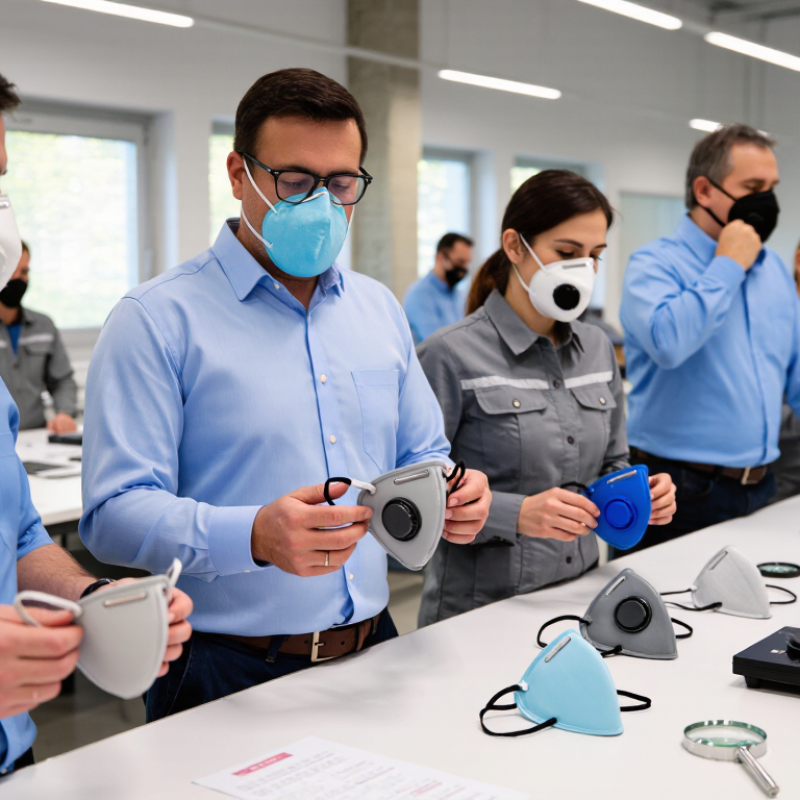
Match the design to wear time, too. A disposable cup-style mask may suit short jobs, while a reusable half-face respirator can work for repeated tasks when compatible filters are available. Fit matters. Facial hair, glasses, sweat, and talking can disturb the seal, so test the fit before dusty work begins. Replace filters that are damaged, damp, clogged, or difficult to breathe through, following the maker’s instructions. Keep several sizes available for a mixed crew. It is easy to assume one size fits all; it often does not. Have workers try masks with their usual eyewear and task movements, and note any loose edges before ordering in bulk.

Check Global Standards, Certifications, and Fit Requirements

A “dust-proof” label alone does not show which particles a mask can filter. For global orders, compare the stated standard with the destination market’s current requirements. N95, FFP2, and KN95 refer to different certification systems; similar names do not make them automatically interchangeable. Check the certificate, test reports, and issuing body, and confirm that the documents match the exact model being offered. A neat scan can still leave questions. Ask for clarification when dates, model numbers, or testing details do not line up.

Certification is only part of protection. The mask must seal against the wearer’s face. Check the size range, nose clip, and strap tension, then try samples with the people who will use them. A leaking edge near the nose can defeat a good filter. Fit matters. Glasses fogging or straps slipping during ordinary work may signal a poor fit. Facial hair in the sealing area can also prevent a reliable seal. Follow workplace fit-testing requirements where they apply.

Even careful checks can miss a detail, so keep the decision open until fit trials are complete. Dust masks are designed for specific particulate hazards, not every airborne risk. Review the product’s stated use and limitations before ordering. A supplier’s assurance is useful, but it should not replace verifiable documents or a practical fit check.

Evaluate Materials, Comfort, Reusability, and Replacement Needs

Choosing a dust mask starts with the dust you expect, not the product photo. Wood sanding, cement handling, and household sweeping create different exposure conditions. Check the stated filtration purpose and test information; appearance alone proves little. For hazardous or unusually fine dust, seek qualified safety guidance and choose protection designed for that exposure. Fit matters. A loose nose bridge can let air bypass the filter.

Tip: Compare materials, but do not judge them by softness alone. A flexible nose clip, smooth edges, and adjustable straps can improve comfort during a work shift. Try the mask while speaking and moving your head. If it slips or presses painfully, it may not fit your face well. Comfort is practical, not cosmetic; an uncomfortable mask is more likely to be removed.

Reusability depends on the design. Reuse a mask only when its instructions allow it, and store it clean and dry between uses. Replace it if it is torn, damp, visibly dirty, or harder to breathe through. There is no single replacement schedule for every task. Dust levels, wear time, and storage conditions vary. I would avoid buying large quantities before testing fit with a small group; that step is easy to overlook.

Compare Suppliers, Pricing, and Import Requirements

Compare suppliers on verified filtration performance, production consistency, and delivery history—not price alone. The ILO’s 2023 global estimates report 2.93 million work-related deaths and 395 million non-fatal work-related injuries each year. These figures underline why respiratory protection should match a documented workplace hazard assessment. Request current test reports, product specifications, sample units, minimum order quantities, and lead times. Then compare landed cost: unit price, freight, insurance, duties, and inspection fees. A low quote can hide costly delays.

Tip: Test samples before ordering. Check fit, breathing resistance, packaging seals, and batch records. Ask suppliers how they handle failed inspections. Small details matter.

Before importing, confirm the correct customs classification and duty rate with a qualified broker; classifications can vary by product and destination. Check the destination market’s required respirator standard, conformity documents, labeling language, and importer responsibilities. A certificate accepted in one market may not satisfy another. Keep supplier declarations and test reports linked to each shipment. Frankly, paperwork is easy to underestimate, and requirements can change. Verify them with the destination authority before paying a deposit.