 North American Safety Valve Industries, Inc.North American Safety Valve Industries, Inc.North American Safety Valve Industries, Inc.
Choosing a Nickel Alloy Round Bar is not a grade-name exercise. The right choice depends on temperature, corrosion exposure, mechanical load, and how the bar will be machined or welded. A bright surface can look reassuring, but it cannot confirm chemistry or performance. Ask for traceable material certification, inspect the dimensions, and match the grade to the actual service environment.
Welding-metallurgy expert Dr. John C. Lippold is a relevant authority on alloy behavior. Rather than inventing a quotation and attributing it to him, this guide uses an original editorial principle: “Choose for the service conditions, then verify the material.” That distinction matters. No single nickel alloy suits every application, and a supplier’s broad label may not reveal enough. Review the specification, heat treatment, required strength, and relevant corrosion data before ordering. Small details count.
There is no perfect pick. A bar that machines easily may not offer the best corrosion resistance, while a stronger grade may cost more than the job requires. Even experienced buyers can miss a mismatch when conditions are poorly defined. Record the operating temperature, media, stresses, and fabrication steps before comparing options. This introduction sets up a practical guide to evaluating grades, specifications, certification, and suppliers—so your Nickel Alloy Round Bar fits the job, not just the drawing.
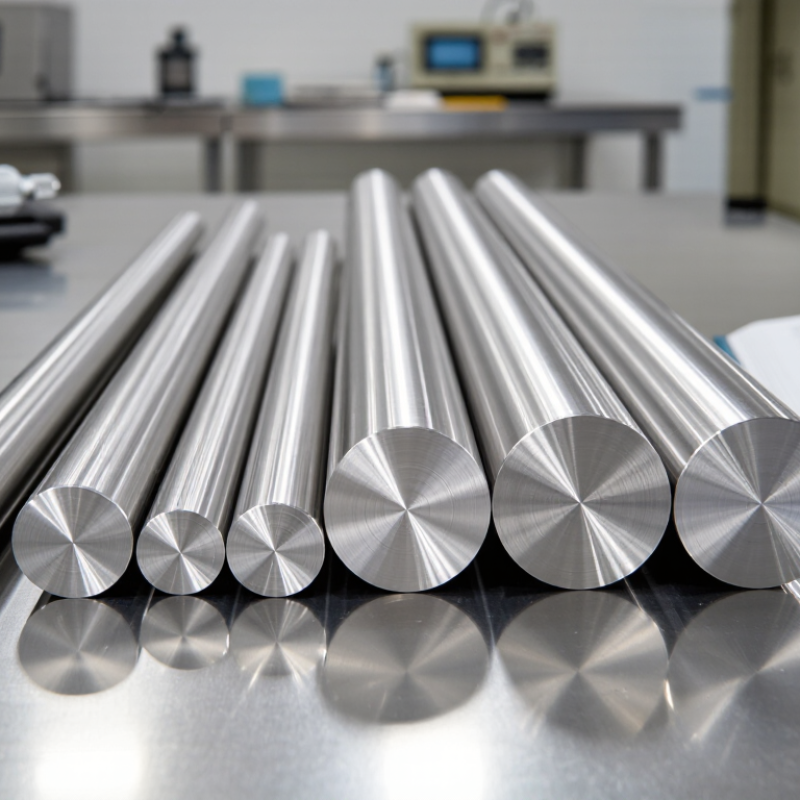
Before selecting a nickel alloy round bar, describe its real operating environment. Record minimum and maximum temperatures, pressure, and whether exposure is continuous or intermittent. Identify the process fluid, its concentration, contaminants, and cleaning chemicals. Small changes matter. Chlorides, sulfur compounds, or oxidizing agents can alter corrosion behavior, so “corrosive service” is not a useful specification by itself. Include the expected service life, plus start-up, shutdown, and thermal cycling. A bar near a furnace door may face different conditions from one inside a steady-temperature vessel.
Define mechanical demands using actual design loads, not just a generic strength target. Note tensile and fatigue loading, vibration, impact risk, and dimensional stability requirements. Will the bar be machined, welded, or surface-finished? Manufacturing steps can affect the properties required in the finished part. Check alloy data for temperature-dependent strength, corrosion resistance, and fabrication limits. Then confirm the selected condition and dimensions with a qualified materials professional. Keep test records aligned with the purchase specification. A tidy table is not enough. A common gap is naming the fluid but omitting its temperature or concentration. That missing detail can make a confident selection less reliable. Where data remain uncertain, state the assumptions and seek relevant service history or testing before ordering.
| Service condition | Key performance requirement | Possible alloy to evaluate | Why it may fit | Important checks before selection |
|---|---|---|---|---|
| Seawater, brine, or chloride-bearing process fluids | Resistance to pitting, crevice corrosion, and chloride stress-corrosion cracking | Alloy 625; Alloy C-276 for more demanding mixed chemical environments | Both alloys are used where strong resistance to localized corrosion is required; Alloy 625 is also used in marine and offshore components. | Assess temperature, chloride concentration, crevices, deposits, flow, and oxidizing species. Confirm suitability for the exact fluid and exposure conditions. |
| Reducing acids or complex chemical mixtures | Broad corrosion resistance, including resistance to localized attack and contamination-related damage | Alloy C-276; Alloy 825 for selected sulfuric- or phosphoric-acid environments | C-276 is used in a wide range of aggressive chemical-processing environments. Alloy 825 is used in specific acid-service applications and offers resistance to chloride stress-corrosion cracking. | Acid concentration, aeration, impurities, temperature, and mixed-acid composition can change performance substantially. Check corrosion data for the actual process chemistry. |
| High loads at elevated temperatures | High strength, fatigue resistance, and retention of mechanical properties during service | Alloy 718 | This precipitation-hardenable nickel alloy is widely used for highly stressed components; its strength is maintained in service up to approximately 650°C (1200°F), subject to design and condition. | Specify the required heat-treated condition, bar size, design stress, fatigue life, and exposure duration. Verify allowable stresses and applicable product specifications. |
| Elevated-temperature oxidation or carburizing atmospheres | Resistance to oxidation, carburization, and thermal cycling | Alloy 600; Alloy 625 for applications also requiring corrosion resistance and strength | Alloy 600 is used in high-temperature equipment and has good resistance to oxidation and carburizing conditions. Alloy 625 is used in some high-temperature, corrosive environments. | Check atmosphere composition, operating and peak temperatures, thermal cycling, section size, and exposure time. Oxidation resistance does not by itself establish a safe mechanical design temperature. |
| Hydrofluoric acid, alkalis, or non-oxidizing salt solutions | Compatibility with reducing environments and resistance to corrosion at the specified concentration | Alloy 400 | The nickel-copper alloy is used in hydrofluoric-acid service and many marine, alkaline, and non-oxidizing environments. | Alloy 400 is not a universal choice for oxidizing media. Confirm aeration, acid concentration, temperature, velocity, and the presence of oxidizing salts. |
| Cryogenic equipment or service with large temperature changes | Ductility, toughness, dimensional stability, and resistance to thermal fatigue | Alloy 625 or Alloy 718, depending on corrosion exposure and strength needs | Nickel alloys are used in low-temperature service; the appropriate grade depends on whether corrosion resistance or high strength is the primary design driver. | Review minimum design temperature, impact or toughness requirements, welds and joints, and the material condition. Confirm relevant low-temperature test requirements for the finished component. |
Selection note: These are screening candidates, not guaranteed service limits. Confirm the exact alloy grade, round-bar product specification, heat-treated condition, dimensions, fabrication route, and design-code requirements. Use corrosion testing or qualified process-specific data when the environment is severe or uncertain.