
Choosing the right Shorts Legging Printer in 2026 requires more than comparing prices and print speeds. The best choice depends on fabric performance, image quality, production volume, and long-term operating costs. Polyester shorts leggings may need different technology than cotton blends or stretch fabrics. Heat, pressure, and ink compatibility can change the final result dramatically.
A reliable evaluation begins with real samples, not attractive brochures. Print detailed logos, soft gradients, and full-color patterns on the fabrics you actually sell. Then stretch, wash, and inspect them under natural light. Check whether colors crack, fade, bleed, or lose sharpness around seams. Ask suppliers for documented test results, maintenance schedules, warranty terms, and technical support response times. A dependable manufacturer should explain limitations clearly.
Digital sublimation printers often suit polyester-based sportswear, while direct-to-film or other methods may serve different material needs. However, no machine fits every workshop. A lower purchase price can hide expensive inks, slow drying, frequent cleaning, or difficult software. I have seen buyers focus on resolution and overlook daily workflow. That mistake can become costly.
Think beyond the first order. Can the printer handle seasonal designs, urgent replacements, and consistent color across multiple production batches? Does the supplier provide training and replacement parts? Your decision should reflect measurable evidence, practical experience, and realistic growth plans. The perfect choice may not exist. A carefully tested, well-supported printer usually performs better than a supposedly advanced machine chosen too quickly.
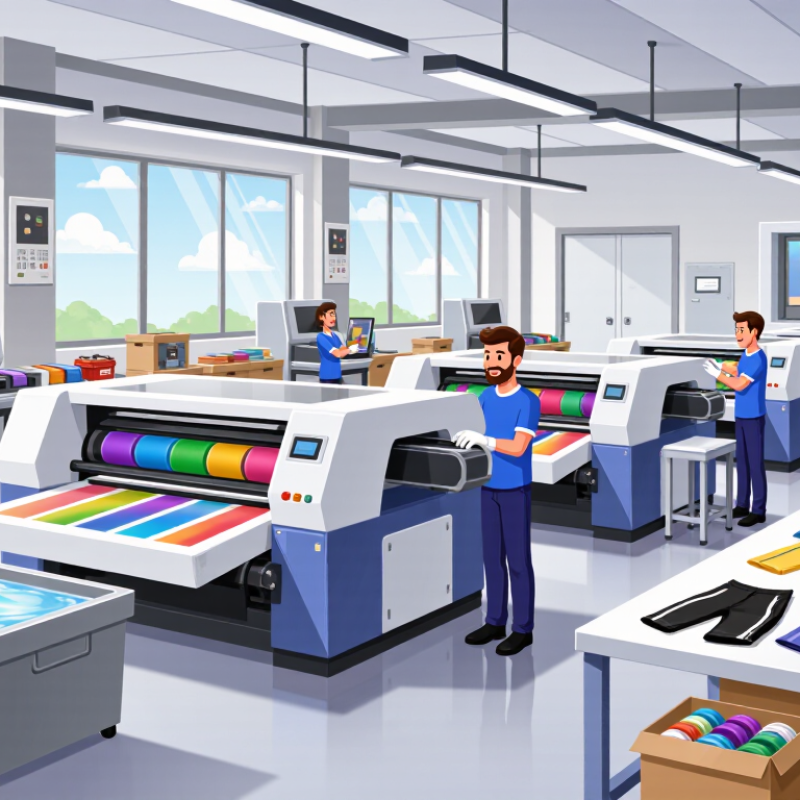
How to Choose the Best Shorts Legging Printer in 2026?
Shorts legging printing requires more than bright artwork. The fabric must stretch without cracking or losing color. A reliable printer should understand polyester blends, spandex ratios, and fabric tension. Ask which printing method suits your design, especially for gradients, fine lines, and dark materials. Dye sublimation often works well on polyester fabric, while other materials may need different treatment. The answer should come from testing, not promises.
Request a physical sample before placing a large order. Wear it during squats, running, and repeated washing. Check the waistband, inner seams, and printed panels closely. Does the image remain sharp after stretching? Does the fabric feel rough against the skin? These details reveal more than a digital mockup. I once trusted a perfect sample photo too quickly. The delivered colors looked slightly duller under indoor light.
A professional printer should explain production tolerances, color matching, minimum quantities, and inspection procedures clearly. Ask for wash-test results and written fabric specifications. Confirm that inks and materials meet applicable safety requirements in your selling region. Communication matters when measurements change or artwork needs correction. A capable team may identify problems before printing begins. Still, no printer is flawless. Allow time for revisions, and keep a signed sample for comparison during production.
Typical process temperatures for common shorts legging printing methods
Polyester-based shorts leggings commonly use dye sublimation because the ink becomes part of the fabric and maintains a smooth stretchable finish. DTF, screen printing, and heat-transfer vinyl can also be used, but their higher surface-layer content may affect stretch, hand feel, and long-term durability. The temperature values shown are representative midpoints of commonly used production ranges: dye sublimation 180–210°C, DTF 130–160°C, screen printing 150–170°C, and heat-transfer vinyl 140–160°C.
Choosing a shorts legging printer starts with the fabric, not the machine. Polyester leggings usually perform well with dye sublimation printing. The ink becomes part of the fibers, so designs stay smooth during stretching. This method suits full-leg patterns, gradients, and detailed artwork. However, poor heat control can weaken elasticity or create pale colors.
Screen printing offers strong color on selected areas. It works well for simple logos, bold lettering, and larger production runs. Yet thick ink may feel heavy on flexible fabric. It can also crack when the shorts receive rough washing. Heat transfer printing is useful for small orders and personalized designs. It provides quick results, but cheaper films may peel around seams. That detail matters.
Ask the printer for fabric-specific samples. Stretch the sample across your hand. Check the print after washing it several times. A reliable supplier should explain ink types, curing temperatures, color limits, and expected durability. Request a written sample approval before production. Compare minimum order quantities, sampling fees, production time, and replacement policies. Real testing beats attractive promises.
I have seen vibrant samples fail after repeated stretching. I have also seen simple prints outperform expensive effects. The best choice depends on fabric composition, artwork coverage, order size, and workout use. Leave room for mistakes in the testing budget. Fitness clothing faces sweat, friction, sunlight, and frequent washing. A printer that understands those conditions can provide more dependable results.
For shorts leggings, the best printer choice begins with fabric behavior, not maximum speed. In 2026, polyester-heavy stretch fabric usually suits dye-sublimation printing. The dye bonds inside the fibers, helping preserve softness during hip and knee movement. Cotton blends need different chemistry and testing. Grand View Research’s Digital Textile Printing Market report projects roughly 12% annual growth through 2030. Customization and shorter runs are major drivers. Yet market growth does not guarantee reliable output.
Prioritize color management, stretch-fabric profiles, ink penetration, and stable heat control. The printer should hold fine lines on curved panels and maintain registration across a full roll. Request wash, stretch, and crocking tests, rather than trusting a bright showroom sample. AATCC testing standards provide useful references for colorfastness and dimensional change. Smithers’ Future of Digital Textile Printing to 2027 also identifies personalization and short production runs as important trends. Throughput matters, but unstable nozzles may create more waste than slower printing. I have seen this overlooked. It becomes expensive.
Tips: Compare usable production speed, not brochure speed. Test geometric patterns, skin-tone gradients, and waistband panels. Check RIP nesting, nozzle checks, curing accuracy, and spare-part access. Record results after repeated washing. One test is not enough. Also measure ink use, energy demand, and downtime. Sustainability reports value resource efficiency, but factory results can differ. Leave room for that uncertainty.
| Feature Dimension | Recommended Requirement for Shorts Leggings | Why It Matters | How to Evaluate It | Priority |
|---|---|---|---|---|
| Printing Technology | Dye-sublimation transfer or direct-to-textile sublimation designed for polyester fabrics. | Most performance shorts leggings use polyester or polyester-rich fabric, allowing sublimation dye to bond with the fibers for vivid, durable graphics. | Confirm that the printer workflow supports polyester fabric and the required transfer or direct-print process. | Critical |
| Fabric Compatibility | Support for common leggings materials such as polyester, recycled polyester, and polyester-spandex blends, subject to supplier testing. | Stretch fabrics can react differently to heat, pressure, ink penetration, and finishing conditions. | Test the actual fabric, including stretch recovery, color fastness, hand feel, and print appearance after washing. | Critical |
| Color Reproduction | At least four-color process printing; expanded ink sets can improve color gamut and spot-color control. | Sportswear designs often include gradients, skin tones, neon colors, and detailed photographic artwork. | Request printed color charts and compare them with calibrated artwork or approved physical samples. | High |
| Resolution and Detail | A selectable resolution around 600 × 600 dpi or higher, with a production mode that balances detail and ink usage. | Higher effective resolution helps reproduce fine logos, thin lines, textured patterns, and small lettering. | Inspect small text, diagonal lines, gradients, and repeating patterns at the intended viewing distance. | High |
| Print Width | Choose a printable width that covers the largest panel or transfer sheet used in production, with working clearance at both edges. | Insufficient width creates extra seams, alignment work, and material waste when printing large front, back, or side panels. | Measure the widest garment panel and compare it with the printer’s actual printable area, not only its external machine width. | Critical |
| Throughput | Evaluate sustained square-meter-per-hour output at the quality mode actually used, rather than relying on draft-mode speed. | Production capacity depends on resolution, ink coverage, pass count, drying, loading, and finishing—not only the advertised maximum speed. | Run a timed job using representative artwork and record completed printable area per hour, including routine pauses. | High |
| Ink and Printhead Management | Reliable circulation or agitation where required, automatic cleaning functions, nozzle checks, and accessible maintenance procedures. | Clogged or missing nozzles can create visible banding, streaks, and color shifts across stretch panels. | Review maintenance frequency, cleaning-material consumption, nozzle-check results, and recommended idle-time procedures. | Critical |
| Drying and Heat-Setting Workflow | Compatible with a separate heat press, calendar, or fixation unit suitable for the selected sublimation process. | Sublimation transfer requires controlled heat and pressure, while direct textile workflows may require drying and fixation to achieve wash durability. | Verify temperature range, dwell time, pressure control, usable area, and whether the fabric supplier approves the process. | Critical |
| Stretch and Wash Durability | The completed print should remain visually stable after repeated stretching and care-label washing tests appropriate to the garment. | Shorts leggings undergo frequent stretching, friction, perspiration, and laundering. | Test color change, cracking, peeling, bleeding, and image distortion on finished garments, not only flat fabric swatches. | Critical |
| Registration and Alignment | Accurate media feeding, stable tension control, and software tools for repeat patterns, panel placement, and mirrored artwork. | Misalignment is especially noticeable on symmetrical waistband designs, side panels, stripes, and all-over prints. | Print a repeat-pattern test and measure placement tolerance across the full roll or transfer sheet. | High |
| Color Management Software | RIP software with ICC color-profile support, layout nesting, mirror printing, tiling, and repeat-pattern controls. | Consistent color and efficient nesting reduce reprints and fabric or transfer-paper waste. | Check supported file formats, profile workflow, spot-color handling, hot folders, and operator training requirements. | High |
| Material Waste Control | Accurate media tracking, adjustable margins, nesting tools, and stable feeding at the selected media width. | Garment panels are often cut from repeating layouts, so small alignment or margin errors can increase waste over long runs. | Calculate waste from test jobs by comparing purchased media with usable printed and cut area. | High |
| Operating Cost | Compare ink, transfer paper, fabric, cleaning supplies, energy, labor, maintenance, and rejected-garment costs per finished piece. | The lowest purchase price does not necessarily provide the lowest cost per sellable pair of shorts leggings. | Build a cost model using actual ink coverage, average print area, production speed, and expected reprint rate. | High |
| Reliability and Serviceability | Accessible service points, documented preventive maintenance, replaceable wear parts, and responsive technical support. | Unplanned downtime can delay coordinated apparel collections and small-batch fulfillment. | Ask for maintenance schedules, spare-part lead times, training options, and typical troubleshooting procedures. | Critical |
| Safety and Workplace Requirements | Appropriate ventilation, electrical supply, heat protection, operator safeguards, and compliance documentation for the installation location. | Printers, heaters, and fixation equipment can require dedicated space, power, ventilation, and heat-management controls. | Review installation drawings, power requirements, operating-temperature limits, ventilation guidance, and local workplace rules. | High |
| Scalability | Select a configuration that can handle current order volume while allowing additional shifts, wider media, or auxiliary finishing equipment when demand grows. | A suitable production path should support both samples and repeat orders without forcing an immediate complete equipment replacement. | Compare maximum duty cycle, upgrade options, workflow automation, and compatibility with cutting and finishing equipment. | Medium |
How to Choose the Best Shorts Legging Printer in 2026?
Print quality should survive movement, sweat, and repeated washing. Request a printed test panel using the same fabric as your shorts leggings. Inspect fine lines, color edges, and dark-to-light transitions. Stretch the panel firmly. Cracking, pale gaps, or sticky areas reveal weak adhesion. Wash it several times and compare the surface under bright light. Small flaws become obvious.
Costs require more than a machine’s purchase price. Record ink use, transfer materials, labor, electricity, maintenance, and rejected garments. Ask for a sample production report, not only an advertised hourly rate. A printer may process 100 pieces per hour, yet setup and curing can reduce actual output. Measure completed, wearable pieces. That number matters.
Speed should remain stable during a longer run. Test at least 30 garments, then check color consistency near the final piece. My first comparison was too optimistic. I measured printing time but ignored cleaning and alignment delays. That mistake changed the real cost per garment. Track operator time with a simple stopwatch. Also examine software controls, drying requirements, and service response times. Reliable suppliers should explain limitations clearly and provide written operating specifications. A fast machine with frequent stoppages may create more pressure than profit. Test carefully.
Choosing a printer starts with your business model, not its advertised speed. Identify your fabric, order volume, artwork style, and delivery promises. Polyester shorts usually suit dye-sublimation because the ink becomes part of the fibers. Cotton blends may require another process, but stretch performance needs careful testing.
Do not trust a sample made on flat fabric alone. Print across seams, waistbands, and curved panels. Measure twice.
Your daily workload should guide printer size and automation. A small studio may value compact equipment, simple maintenance, and low setup costs. A growing team may need wider printing areas, faster drying, and software that manages repeated orders.
Check ink consumption, replacement parts, ventilation needs, power requirements, and operator training before comparing prices.
The cheapest machine can become expensive when one clogged head delays fifty garments.
Request production samples using your actual shorts material and artwork. Examine color accuracy, edge sharpness, wash resistance, and elasticity after repeated stretching. Ask the supplier for technical documentation, service response times, warranty limits, and training details. Reliable support matters during a weekend deadline.
I once assumed higher resolution guaranteed better leggings, but fabric movement changed the result. That assumption was incomplete.
Build a small testing budget into your plan, record every result, and let real customer requirements—not impressive specifications—shape the final choice.
