How to Choose the Best Rubber Pump Impeller for Your Needs?
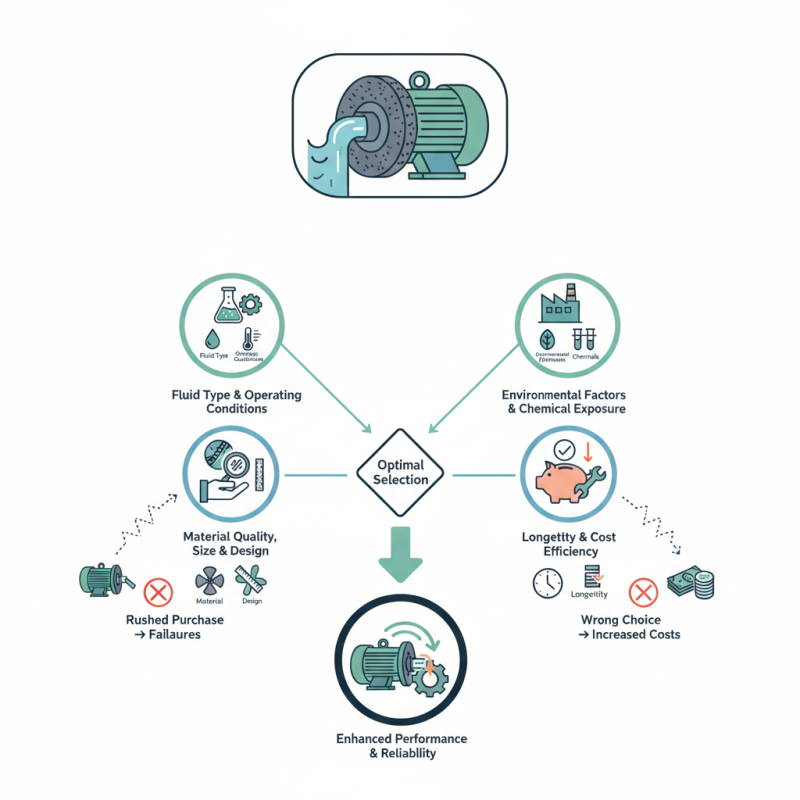
Choosing the right Rubber Pump Impeller is essential for optimal pump performance. A well-suited impeller enhances efficiency and longevity. Different applications require varying specifications. Consider the fluid type and operating conditions before making a selection.
Some users overlook vital details. They might rush into purchasing an impeller without thorough research. Understanding material quality, size, and design is crucial. A selection that doesn't align with your needs can lead to failures. For instance, a softer rubber impeller may not withstand abrasive fluids.
Evaluate your requirements carefully. Think about environmental factors as well. Components exposed to chemicals must meet specific criteria. In many cases, the wrong choice can result in frequent replacements and increased costs. Take the time to reflect on what you genuinely need. Balancing quality and price is often tricky. Yet, the right Rubber Pump Impeller can significantly impact your operations.
Understanding the Functionality of Rubber Pump Impellers
Rubber pump impellers play a crucial role in pumping systems. They help transfer fluids efficiently. Understanding their functionality is key to selecting the best one for your needs. These impellers create a flow by converting rotational energy into fluid movement. This conversion is influenced by the impeller's design and material.
For optimal performance, consider factors such as size and shape. A larger impeller might move more fluid but can be heavy. On the other hand, a small impeller allows for quicker speeds, but may not handle heavy loads well. Evaluating these aspects is essential. Many users overlook the material's flexibility. Rubber offers resilience but can wear out. Regular inspections can prevent unexpected failures.
Think about the specific application. Are you dealing with abrasive fluids or gentle liquids? Each scenario demands a different impeller setup. Mistakes often arise from a lack of detailed analysis. Users may select an impeller based on vague recommendations rather than actual needs. This can lead to inefficient operation and costly repairs. Knowledge is power in the selection process, but it's easy to neglect crucial details.
Identifying Your Pump System Requirements
When selecting a rubber pump impeller, it's crucial to understand your pump system requirements. Consider the fluid type you will handle. Is it corrosive or abrasive? This can significantly impact your choice of material. Impellers must withstand these conditions to function effectively. Understand your system's flow rate and pressure. These factors determine the size and design of the impeller needed.
Tips: Always check the fluid temperature as well. High temperatures can degrade rubber, affecting performance. An impeller that works in moderate conditions may fail in extreme heat.
Another essential aspect is the pump's compatibility with the impeller design. Some systems require specific shapes to maintain efficiency. Measure the available space carefully, especially in tight installations. In certain scenarios, a misfit can lead to vibrations or damage.
Tips: Conduct regular maintenance checks to spot early signs of wear. An inefficient impeller could lead to systemic issues in your pump. Don't overlook these small details—they could save you money in the long run.
Evaluating Material and Design Features of Impellers
Choosing the right rubber pump impeller can be challenging. Material plays a crucial role in determining durability and performance. Various rubbers provide different levels of resistance to wear, heat, and chemicals. For many applications, natural rubber might seem perfect, but it can degrade quickly under harsh conditions. Synthetic options often last longer. However, they can be more expensive.
Design features also matter. The shape of the impeller impacts flow rates and efficiency. A well-designed impeller reduces turbulence and promotes smoother operation. Yet, finding the right geometry for a specific application requires careful consideration. An oversimplified design might not deliver adequate performance, while an overly complex one can lead to maintenance issues.
It's essential to balance between these factors. Sometimes, users prioritize cost over quality, only to find out later that it leads to frequent repairs. Evaluating design and materials requires time and research. Don't rush this decision; reflect on past experiences. A thoughtful choice today can save time and resources tomorrow.
Comparing Performance Metrics for Different Impeller Types
When selecting the right rubber pump impeller, performance metrics are crucial. Different types of impellers perform variably based on design and material. For instance, a recent report from the Hydraulic Institute revealed that volute impellers can achieve efficiencies up to 85%, while vortex types lag around 70%. This is significant when considering operational costs and fluid dynamics.
One key aspect is the flow rate. Larger impellers often provide higher flow rates. However, they might decrease the system's efficiency due to increased energy consumption. Research from the American Society of Mechanical Engineers shows that an optimally sized impeller can boost productivity by 30%. But, the balance between size and performance remains tricky. Examining individual system requirements is vital.
Cavitation is another aspect worth noting. It can devastate performance and longevity. Impellers designed to minimize cavitation can increase lifespan significantly. Data indicates that using specific rubber compounds can reduce wear by 20% over conventional materials. It’s essential to reflect on how operational environments affect performance metrics. Not all situations allow for optimal conditions, which means flexibility in design becomes crucial.
Ensuring Compatibility with Pump Specifications and Applications
Choosing the right rubber pump impeller is vital for efficiency. Compatibility with your pump's specifications is crucial. Each pump operates under unique conditions. Understanding these conditions helps in making the right choice.
Industry data shows that improper impeller selection can reduce pump efficiency by up to 40%. Many users overlook these details. They focus more on material than compatibility. A rubber impeller may not perform well if the pump has specific pressure and flow requirements. It's essential to cross-check the technical standards.
Consider the application as well. Different applications have varying demands. For example, a sewage pump will require an impeller designed for harsh environments. Ensure that the hardness and flexibility of the rubber meet operational needs. If the impeller is too soft, it may wear out quickly. Conversely, if it's too hard, it may lead to cavitation issues. These are critical factors that shouldn't be ignored.
Rubber Pump Impeller Material Comparison
 North American Safety Valve Industries, Inc.