
Choosing an industrial computing partner involves more than comparing processor names or prices. For global buyers, the right Embedded Pc must fit its real environment: a dusty factory floor, a compact control cabinet, or a vehicle exposed to vibration. Details matter. Port selection, cooling design, operating temperature, mounting options, and product-life expectations can shape performance long after installation. A neat specification sheet may still leave important questions unanswered.
This guide introduces ten China-based Embedded Pc manufacturers for buyers assessing industrial and embedded computing options. It is a starting point, not a universal ranking: requirements differ between automation, transportation, energy, and retail projects. The comparison focuses on practical factors, including product range, customization capability, manufacturing experience, quality documentation, and overseas technical support. Buyers should confirm current specifications and certifications directly with each supplier. They should also ask for clear answers about firmware updates, replacement units, warranty terms, and sample testing. Small things count. A connector in the wrong position can complicate a cabinet layout; slow support can delay a rollout. Company websites and sales materials are useful, but they do not replace technical evaluation or reference checks. No single manufacturer will suit every project. The shortlist should help readers ask better questions, compare trade-offs, and identify suppliers worth further review. One limitation remains: published information can be incomplete, so careful verification is still part of the buying process.
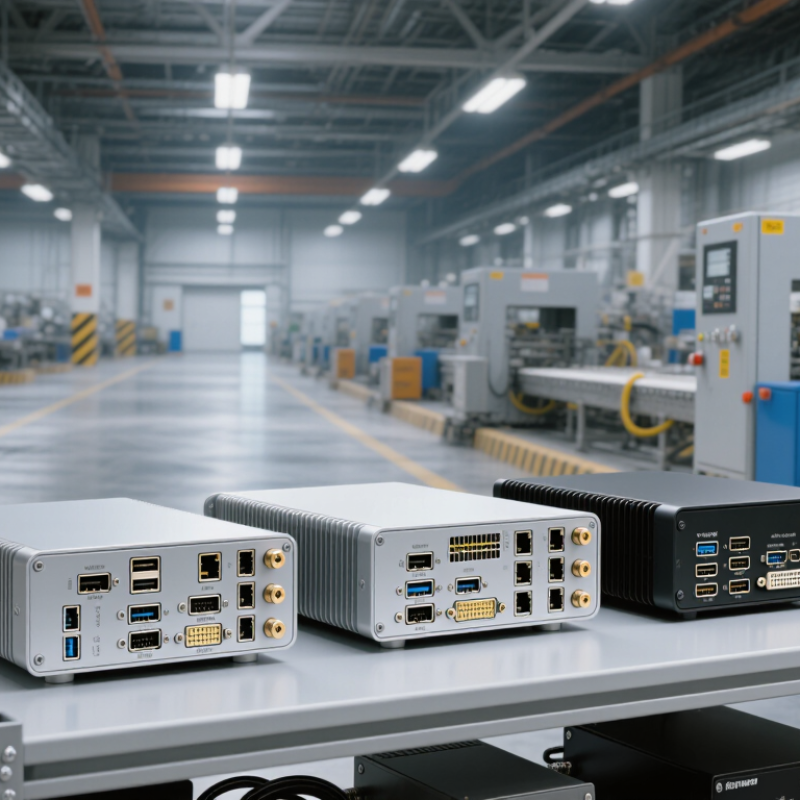
An embedded PC is a compact computer designed to operate inside a larger machine or product. It may control a factory display, collect sensor readings, or process data beside a production line. Unlike a typical office computer, it is often selected for stable operation, specific input and output ports, and long service life. Small, but important. The term covers many designs, so buyers should compare the actual workload, temperature range, and maintenance needs.
China is a key manufacturing base partly because components, enclosure suppliers, assembly services, and logistics providers operate within a dense industrial ecosystem. The World Bank’s World Development Indicators report China’s manufacturing value added at about US$4.66 trillion in 2023, reflecting the scale behind that ecosystem. Scale can support broader sourcing options and shorter component journeys. It does not guarantee quality. That distinction matters.
For global buyers, practical checks start with the details: processor performance under sustained load, fanless cooling limits, connector placement, and access to replacement parts. Ask for test records and confirm how configuration changes are controlled. A sample unit running on a clean workbench may behave differently inside a hot cabinet. I would treat that gap as a real risk, not a footnote. China offers manufacturing depth, but supplier evaluation still depends on evidence, communication, and repeatable production checks.
An embedded PC is a computing system designed to perform a specific task within a larger product or industrial system. The table below compares ten common embedded-computing product categories rather than ranking or identifying individual manufacturers.
| No. | Product Category | Typical Form Factor | Common Applications | Key Buyer Considerations | Relevant Manufacturing Capabilities |
|---|---|---|---|---|---|
| 1 | Fanless Box PC | Compact enclosed computer, usually cooled without a fan | Factory automation, kiosks, digital signage, and edge data collection | Check processor performance, heat dissipation, mounting options, port selection, and operating-temperature specifications. | Enclosure machining, thermal design, PCB assembly, and system integration can be coordinated within an electronics supply chain. |
| 2 | DIN-Rail Embedded PC | Enclosed unit designed for DIN-rail mounting in control cabinets | Industrial control, building automation, energy monitoring, and communications gateways | Review cabinet space, input-power range, isolation needs, network interfaces, and installation requirements. | Compact enclosure production and integration of computing, power, and communications components are relevant capabilities. |
| 3 | Industrial Panel PC | Computer combined with a touchscreen display | Human-machine interfaces, production lines, self-service terminals, and process monitoring | Assess screen size, touch technology, front-panel protection, brightness, mounting method, and software compatibility. | Display sourcing, touch-panel integration, enclosure assembly, and functional testing support finished-system production. |
| 4 | Industrial Single-Board Computer | Complete computer built on one circuit board | Embedded control, instrumentation, compact devices, and development systems | Confirm board dimensions, interfaces, memory and storage options, operating-system support, and product-life-cycle plans. | PCB fabrication and assembly, component sourcing, and board-level testing are central to this product category. |
| 5 | Computer-on-Module System | Processor module fitted to a separate carrier board | Custom industrial equipment, medical devices, transportation systems, and specialized controllers | Check module-to-carrier compatibility, interface availability, software support, and the expected redesign effort. | Module production and custom carrier-board design can enable product variants for different applications. |
| 6 | Embedded Controller | Purpose-built computing unit or board integrated into equipment | Machine control, test equipment, smart appliances, and monitoring systems | Evaluate input/output requirements, communication protocols, firmware support, reliability needs, and validation procedures. | Electronics assembly, firmware integration, and application-specific testing are useful parts of the production process. |
| 7 | Rugged Edge Computer | Reinforced enclosed computer for demanding environments | Outdoor infrastructure, industrial sites, logistics, and edge analytics | Verify the stated temperature, vibration, ingress-protection, shock, and power specifications for the intended environment. | Rugged enclosure design, sealing, thermal management, and environmental testing may be required. |
| 8 | In-Vehicle Embedded PC | Compact computer designed for vehicle installation | Fleet management, passenger information, mobile data collection, and vehicle monitoring | Review vehicle power handling, ignition control, vibration resistance, connectivity, and applicable compliance requirements. | Compact system integration and vehicle-specific power and connectivity design are important production considerations. |
| 9 | Machine-Vision Computer | Industrial computer configured for camera and image-processing workloads | Automated inspection, production-line measurement, and visual quality control | Check camera interfaces, processing capacity, expansion options, synchronization, and software requirements. | Interface integration, thermal design, and workload-based system testing help match hardware to inspection tasks. |
| 10 | Industrial Gateway PC | Compact computer with multiple networking or field-communication interfaces | Protocol conversion, remote monitoring, data acquisition, and industrial IoT deployments | Confirm supported protocols, network ports, cybersecurity updates, remote-management features, and long-term support. | Combining computing hardware, communication interfaces, and software configuration can support application-specific gateway builds. |
China is a significant electronics manufacturing base because its industrial ecosystem includes component supply, PCB production, enclosure manufacturing, assembly, and logistics. Capabilities and product quality vary by supplier, so buyers should verify specifications, certifications, production controls, testing records, and after-sales support for each project.
China Top 10 Embedded PC Manufacturers for Global Buyers
How to Evaluate Chinese Embedded PC Manufacturers
IDC’s 2024 Worldwide Edge Spending Guide forecast global edge spending at $232 billion in 2024, up 15.4% year over year. That growth makes supplier selection more than a price comparison. Buyers should request a complete bill of materials, processor lifecycle details, and written notice periods for component changes. Check whether the manufacturer controls board design and production, or mainly assembles third-party modules. Ask for thermal test results under your actual workload, not only room-temperature demonstrations. Small details matter.
Factory evidence helps separate claims from capability. Review incoming inspection records, burn-in procedures, traceability samples, and defect-handling timelines. For a fanless unit, examine heat-sink contact, enclosure temperature, and performance after sustained operation. McKinsey Global Institute estimated that IoT could create $5.5 trillion to $12.6 trillion in value by 2030; dependable edge hardware is one part of delivering that value. Request sample units and test them with your own peripherals, network conditions, and software image. Also compare warranty terms, spare-part availability, and technical support across time zones. A polished audit packet is useful, but it cannot replace production checks. No supplier is perfect; record unresolved risks and confirm them before ordering.
Suggested buyer evaluation weights (%) for comparing manufacturers. These are a practical evaluation framework, not results from a market survey.
Prioritize reliability and long-term support, then assess performance, I/O options, compliance documentation, and engineering responsiveness against your application requirements.
China’s Top 10 Embedded PC Manufacturers for Global Buyers can be compared by application fit, not ranking alone. A factory-control cabinet may need a fanless computer, wide-temperature operation, and several serial ports. A retail kiosk may prioritize compact dimensions, display outputs, and stable network connections. Ask each supplier for the exact processor, memory, storage, and interface configuration. Request current datasheets and sample test results before approving a design.
Tips: Check the port layout. Confirm operating-temperature limits. Ask how firmware updates are handled. These details can prevent costly redesigns.
For a fair comparison, review production capacity, quality checks, customization options, and support response times. Ask whether specifications apply to the finished unit or only individual components. A sample can reveal practical issues, such as a connector being difficult to reach after installation. Also confirm packaging and lead-time assumptions in writing. Some suppliers may describe similar products with different terminology, so compare technical details line by line. I would not rely on a polished catalogue alone; real installation conditions often expose gaps that a product sheet misses.
When comparing China’s top 10 embedded PC manufacturers, look beyond product catalogs. Check processor options, memory limits, expansion slots, and operating temperatures. A compact fanless unit may suit a roadside cabinet, while a rack-ready system may fit a factory control room. These are different jobs. Match each design to its actual environment.
Tips: Ask for a current datasheet, sample configuration, and written test conditions. Confirm whether quoted temperature ranges apply to the complete system or selected components. Small details matter. One point is easy to overlook: connector placement can make installation awkward in a crowded panel.
Markets and capabilities also reveal important differences. Some suppliers focus on industrial automation; others serve transport, energy, or digital signage projects. Compare customization support, engineering response times, production consistency, and spare-parts availability. Request evidence such as environmental test reports and sample inspection records. A polished presentation is not proof of long-term reliability. I would also compare several production batches where possible; one sample can hide variation. Choose a manufacturer whose documentation and support match your project, not simply the lowest quoted price.
Global buyers should assess embedded PC suppliers against the actual operating environment, not a polished catalogue. Check processor lifecycle, memory limits, operating temperature, vibration tolerance, and interface support. Ask for test records tied to the proposed configuration. A sample unit should run your software, peripherals, and workload for several days. Small details matter: a loose connector or poorly placed vent can disrupt a cabinet installation. Ask how firmware changes are documented and how long replacement parts remain available. Get the answer in writing.
Market growth makes disciplined sourcing more important. Grand View Research estimated the global industrial PC market at about US$5.2 billion in 2023 and projected a 6.5% compound annual growth rate from 2024 to 2030. Gartner forecast worldwide semiconductor revenue would rise 19% in 2024, to US$626 billion. These figures do not predict a specific supplier’s delivery schedule, but they underline why buyers should check component sourcing and lead-time assumptions. Request a bill of materials, factory location, quoted production capacity, and a clear process for approving component substitutions. Then compare total landed cost, warranty terms, and support response times. A spreadsheet can still miss a real constraint. Recheck the assumptions before placing a large order.
