What is the Best Shut Off Valve for Your Plumbing Needs?
When it comes to plumbing, choosing the right Shut Off Valve is crucial. As plumbing expert John Smith states, “The right valve can save you time and money during emergencies.” This is a powerful reminder of the valve’s importance in every household.
Different types of Shut Off Valves exist, each with its unique features. Some are designed for easy access, while others aim for durability and longevity. Understanding your specific plumbing needs is essential. An inadequate valve can lead to leaks or system failures.
Homeowners often overlook these details. Often, they focus only on the visible pipes and fixtures. But a reliable Shut Off Valve is as critical as any other component. Selecting the best one requires careful thought and consideration. It shapes the overall efficiency of plumbing systems.
Types of Shut Off Valves Commonly Used in Plumbing Systems
When considering shut off valves for plumbing systems, it's essential to understand the types available.
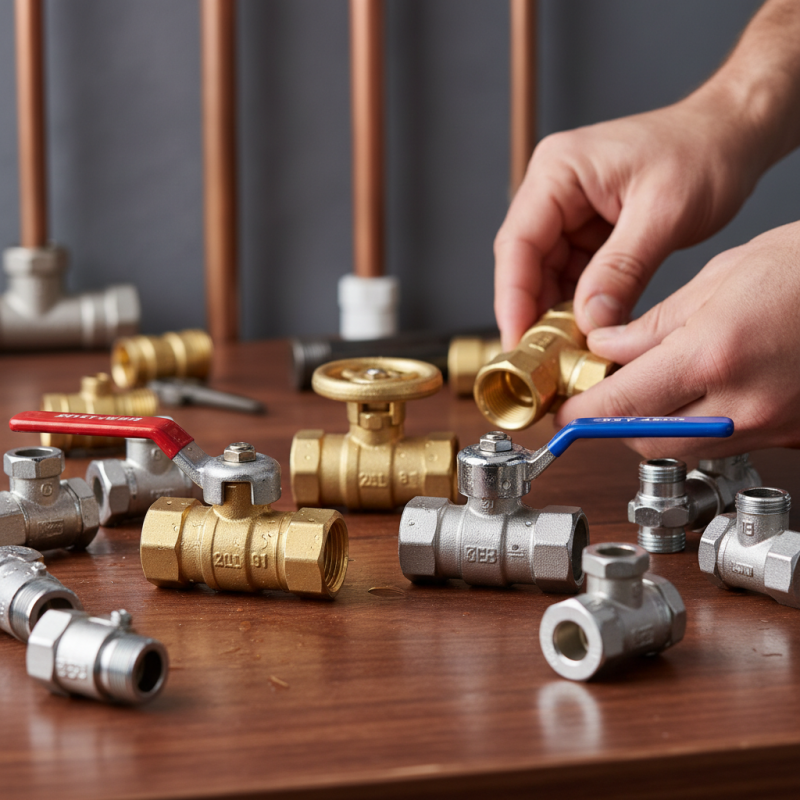
A ball valve is a popular choice. It offers easy operation and a reliable seal. Turning the handle 90 degrees can quickly stop water flow.
This type is often found in residential settings.
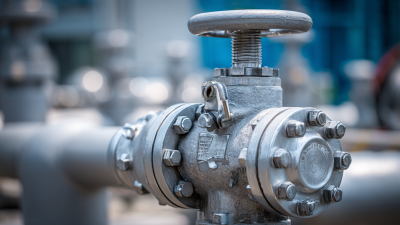
Another common option is the gate valve. This valve provides better flow control but requires more effort to operate.
It’s suitable for applications where full flow is needed, but it can sometimes become stuck if not used frequently. Regular maintenance checks can help prevent this issue.
Tips: Consider the location of your shut off valve. Make sure it's accessible.
Regularly inspect the valve for leaks. It's best to replace any faulty valves promptly. Always consult a professional plumber if unsure about your options.
A knowledgeable expert can offer tailored advice.
Factors to Consider When Choosing a Shut Off Valve
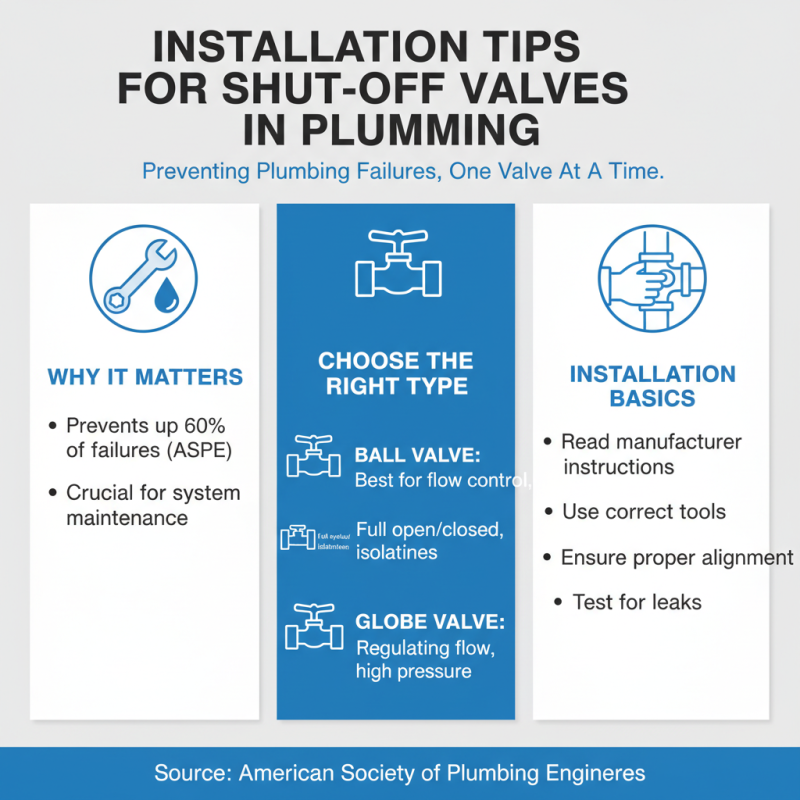
Choosing the right shut off valve for your plumbing needs requires careful consideration of several factors. The type of valve is crucial. Ball valves, gate valves, and globe valves each serve different purposes. Ball valves are quick to operate and durable. Gate valves often flow better, while globe valves are good for regulating flow.
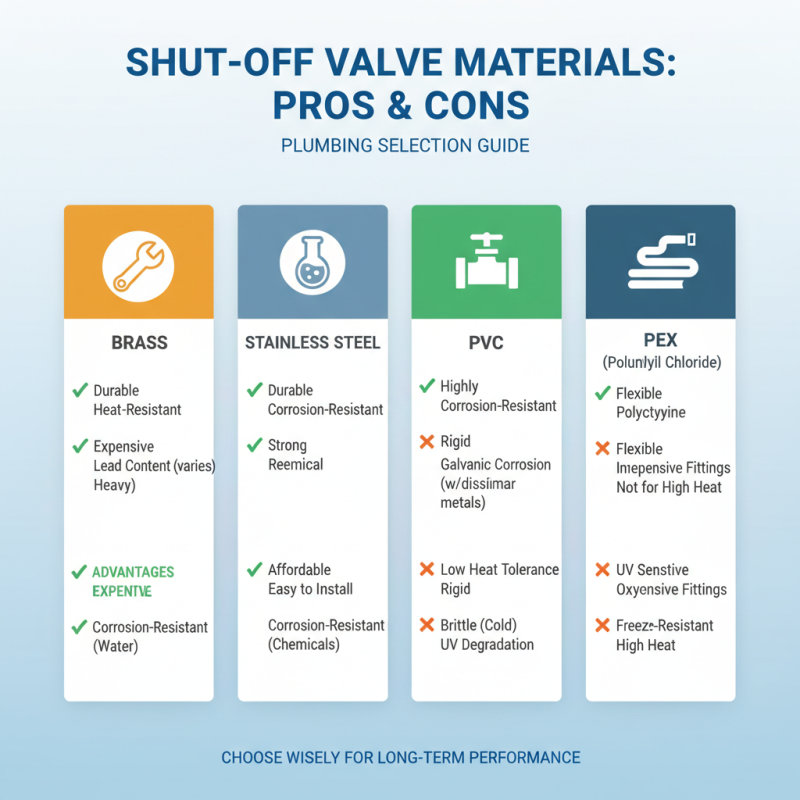
Material is another important factor. Brass, PVC, and stainless steel valves have unique benefits. Brass is strong and resistant to corrosion. PVC is lightweight and affordable. Stainless steel offers excellent durability for harsh environments. Your choice will depend on your plumbing’s specific requirements.
Tip: Assess your water pressure before buying. Some valves perform better under high pressure. Also, consider the valve's size. The right fit is vital for functionality. A poorly fitted valve can lead to leaks, which are costly to repair. It’s wise to consult a professional if you’re unsure. Regular maintenance checks on valves can help prevent future issues and ensure longevity.
What is the Best Shut Off Valve for Your Plumbing Needs? - Factors to Consider When Choosing a Shut Off Valve
| Valve Type |
Material |
Pressure Rating |
Temperature Rating |
Common Uses |
| Ball Valve |
Brass |
600 PSI |
-20°F to 250°F |
Water Lines, Gas Lines |
| Gate Valve |
Cast Iron |
300 PSI |
-20°F to 200°F |
Main Water Supply |
| Butterfly Valve |
PVC |
150 PSI |
32°F to 140°F |
Irrigation, Drainage |
| Check Valve |
Bronze |
150 PSI |
-20°F to 180°F |
Backflow Prevention |
| Compression Valve |
Plastic |
100 PSI |
-20°F to 120°F |
Home Plumbing |
Installation Tips for Shut Off Valves in Plumbing Applications
When installing shut-off valves for plumbing applications, attention to detail is crucial. According to the American Society of Plumbing Engineers, proper installation can prevent up to 60% of plumbing failures caused by valve issues. Choosing the right valve type—ball, gate, or globe—will depend on your system's specific needs. For instance, ball valves provide better flow control and are often recommended for water lines.
Ensure the installation area is clean and dry. This prevents dirt or debris from entering the system. Professionals suggest using Teflon tape on threads to create a tight seal. Incorrect sealing might lead to leaks, wasting water and affecting pressure. Additionally, consider the valve's accessibility for future repairs. A valve buried behind walls may complicate maintenance or lead to costly repairs later.
It's essential to test the shut-off valve after installation. Turn the valve to the closed position and check for leaks. If any are found, reassess the installation. Realizing mistakes after completion can be frustrating but is necessary for system reliability. Navigating these details can make a significant difference in your plumbing system's performance and longevity.
Maintenance Best Practices for Longevity of Shut Off Valves
Maintaining shut off valves is crucial for their longevity. Regular inspections can help you detect issues before they escalate. Look for leaks or corrosion signs around the valve. If you notice any abnormalities, it's wise to address them promptly. Ignoring small problems can lead to larger, costly repairs down the line.
Proper usage is another key to valve longevity. Always ensure valves are fully opened or closed. Partially opened valves can wear down faster, leading to malfunctions. When operating a valve, use moderate force. Excessive pressure can damage internal components. If a valve feels stuck, don’t force it. Instead, apply some lubricant or seek professional help.
Periodic flushing can aid in keeping valves functional. Sediment buildup can impair their operation. Flushing removes debris and ensures smooth performance. Though many homeowners overlook this, it can save time and money later. Lastly, document maintenance activities. Reflecting on past issues can guide future actions, enhancing overall reliability.
 North American Safety Valve Industries, Inc.