Top 10 Benefits of Waterproof Labels for Global Buyers?
In today's dynamic marketplace, understanding the Waterproof Label Benefits is crucial for global buyers. These labels stand out due to their durability and versatility. Many industries, from food and beverage to electronics, rely on waterproof labels for branding and functionality.
Waterproof labels not only withstand harsh environments, but they also maintain quality over time. This durability ensures that crucial information remains intact, even in challenging conditions. Buyers often underestimate the impact of label quality. Labels can elevate a product’s perceived value and enhance customer trust.
However, it’s important to consider the material and adhesive used. Not all waterproof labels are created equal. Poor-quality options can lead to peeling or fading. Reflecting on these details can save money and improve product presentation. Investing in high-quality waterproof labels benefits businesses in the long run. Such labels help in creating a reliable brand image, reinforcing the importance of effective packaging in a competitive landscape.
Benefits of Durability in Harsh Environments
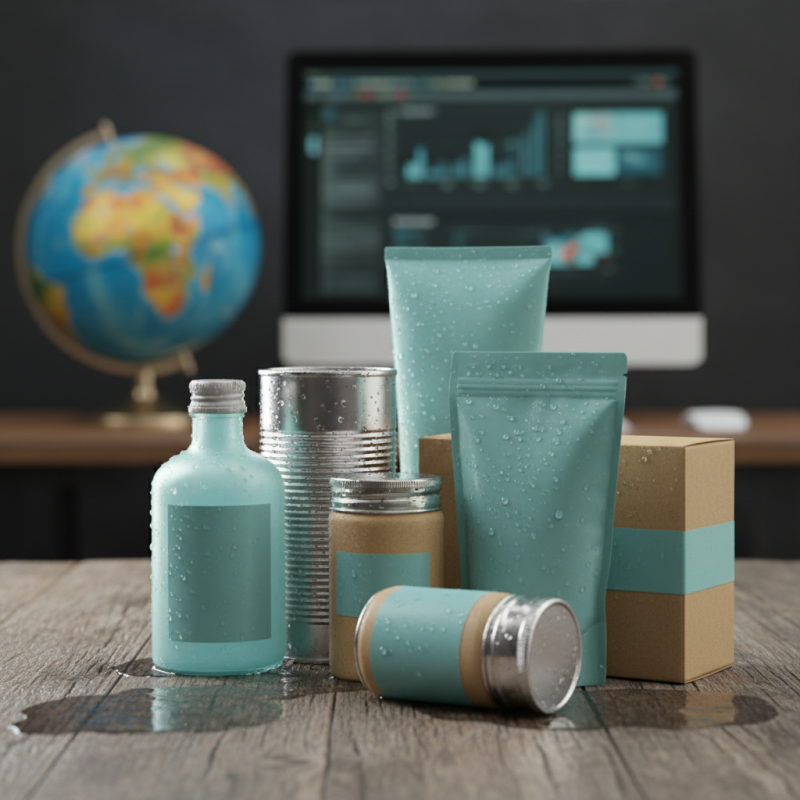
Waterproof labels offer significant advantages, especially in harsh environments. These labels are designed to withstand extreme conditions, including moisture, heat, and chemicals. This durability is crucial for businesses operating in industries like agriculture, manufacturing, and logistics. A label that can resist fading or peeling ensures critical information remains visible, no matter the challenges faced.
In many outdoor applications, exposure to rain or humidity can compromise standard labels. Waterproof labels maintain their integrity and reliability, even in fluctuating temperatures. For example, a product label exposed to rain might still be readable after weeks. However, not all waterproof labels are created equal. Some may still curl or break down over time. Users should consider the specific conditions their labels will face. Testing and evaluating different materials can lead to better choices.
Furthermore, using waterproof labels can provide peace of mind. They prevent mislabeling, loss of information, and subsequent product recalls. Yet, procurement is not without its challenges. Users might encounter misleading claims about durability. Understanding the differences in materials and their respective lifespans is vital. Buyers should invest time in research to find reliable solutions that truly meet their needs.
Top 10 Benefits of Waterproof Labels for Global Buyers
| Benefit | Description | Application Environments | Longevity |
| Durability | Resistant to water, dirt, and extreme weather conditions. | Outdoor, Industrial | Up to 5 years |
| Versatility | Applicable on various surfaces including plastic, wood, and metal. | Retail, Warehousing | 3-5 years |
| Cost-Effective | Reduces the need for frequent replacements. | Manufacturing, Logistics | Varies based on usage |
| Clear Information | Enhances visibility of important information and branding. | Food, Beverages | 2-3 years |
| Weather Resistant | Designed to withstand UV rays, rain, and snow. | Outdoor Events, Shipping | 4-6 years |
| Eco-Friendly Options | Made from sustainable materials, reducing environmental impact. | Retail, Consumer Goods | Varies based on material |
| Safety Compliance | Meets safety standards for labeling in various industries. | Healthcare, Chemicals | 3-5 years |
| Customization | Available in various sizes, colors, and designs to fit brand identity. | Any Industry | Depends on specification |
| Brand Recognition | Helps establish and enhance brand identity. | All Products | Long-lasting |
| Enhanced Aesthetics | Contributes to the overall design appeal of products. | Consumer Electronics, Cosmetics | Varies |
Cost-Effectiveness of Long-Lasting Waterproof Labels
Waterproof labels offer remarkable cost-effectiveness for producers and retailers globally. They are built to endure harsh environments. This durability translates into a longer lifespan than standard labels, resulting in fewer replacements. For businesses, this means reduced costs over time, as fewer resources are spent on printing and application.
Creating waterproof labels involves specific materials and techniques. These methods prevent wear from moisture and abrasion. However, some businesses may hesitate to invest initially due to perceived higher upfront costs. It’s essential to analyze the total value, considering the longevity of waterproof labels. Sometimes, companies overlook this aspect, only to face repeated expenses later.
Waterproof labels also enhance product appeal. They maintain their visual integrity in diverse conditions. This reliability builds trust with consumers. Still, it's crucial to balance quality and budget. Investing in high-quality waterproof labels can seem daunting, yet the rewards often outweigh the risks. Reflecting on these factors can be pivotal for better decision-making in product branding.
Enhanced Brand Visibility in Various Conditions
Waterproof labels play a critical role in enhancing brand visibility across various conditions. In today’s market, consumers often encounter products in diverse environments. From rain-soaked outdoor settings to humid indoor spaces, labels must remain intact and legible. Waterproof labels ensure that branding elements remain unaffected by moisture, maintaining clarity even in challenging situations.
Furthermore, these labels offer durability that elevates a brand’s reputation. When consumers see high-quality labels, they associate them with reliability. A fading or damaged label can lead to skepticism about the product quality. This perception can significantly influence purchasing decisions. In scenarios where a product's appearance matters, waterproof labels provide an edge.
However, not all waterproof labels perform equally. Some may peel off or lose adhesion over time. This inconsistency can lead to disappointment. Companies must prioritize quality in their label choices. Investing in better materials may yield better long-term results. Ultimately, the choice to use waterproof labels should align with branding goals and market positioning.
Customization Options for Diverse Global Markets
Waterproof labels have become essential for global buyers navigating various markets. Customization options are critical. They allow businesses to adapt labels for unique needs. Diverse markets require different materials, sizes, and printing techniques. For instance, a 2022 study by the Label Manufacturers Association revealed that 65% of companies prioritize custom labeling for product differentiation.
Customization can enhance brand recognition. It supports businesses selling in regions with specific environmental conditions. Buyers in humid areas need labels that resist water and maintain clarity. Custom waterproof solutions cater to this demand, allowing brands to stand out.
Tips: Choose materials that reflect your brand image. For homemade products, eco-friendly options appeal to a larger audience. Also, consider the printing method. Digital printing offers flexibility for custom designs without high setup costs. Remember, the right label can deeply impact consumer perception, especially in competitive sectors.
Environmental Considerations and Sustainable Practices
When considering waterproof labels, environmental impact and sustainability become crucial factors. Recent industry reports indicate that about 30% of consumer preferences shift towards sustainable products. This trend urges manufacturers to adopt eco-friendly materials, such as biodegradable options for waterproof labels. Using 100% recyclable materials can significantly reduce landfill waste, promoting a cleaner planet.
Many companies are unaware of the environmental footprint of traditional label materials. For instance, petroleum-based plastics pose long-term disposal issues. It's essential to evaluate sourcing practices and select labels that meet eco-certification standards. Even small changes in material selection can lead to major environmental benefits.
Tip: Ensure your labels are made from sustainable materials. Look for certifications like FSC or Cradle to Cradle.
Waterproof labels can also improve product longevity, which indirectly contributes to sustainability. By minimizing waste through durable designs, companies can produce fewer replacements. This approach not only conserves resources but fosters a culture of responsibility within the manufacturing process.
Tip: Consider the lifespan of labels when choosing materials. Short-lived labels waste more than just money; they waste resources.
 North American Safety Valve Industries, Inc.