
Motorized Valves play a crucial role in modern systems. They automate the flow control of liquids and gases. This technology provides numerous advantages, enhancing efficiency and reliability. However, many users overlook the importance of selecting the right motorized valve.
Imagine a factory where precision is vital. A malfunctioning valve can lead to significant downtime and costly errors. Motorized valves offer a solution by ensuring accurate flow management. They respond quickly to system demands. Regular maintenance is essential, yet some may disregard it, risking long-term performance.
The benefits of using motorized valves are substantial. They can improve energy efficiency and reduce manual labor. Knowing when to choose a motorized valve can be challenging. Some may opt for manual valves due to initial cost savings. It’s crucial to examine the long-term advantages of automation versus traditional methods.
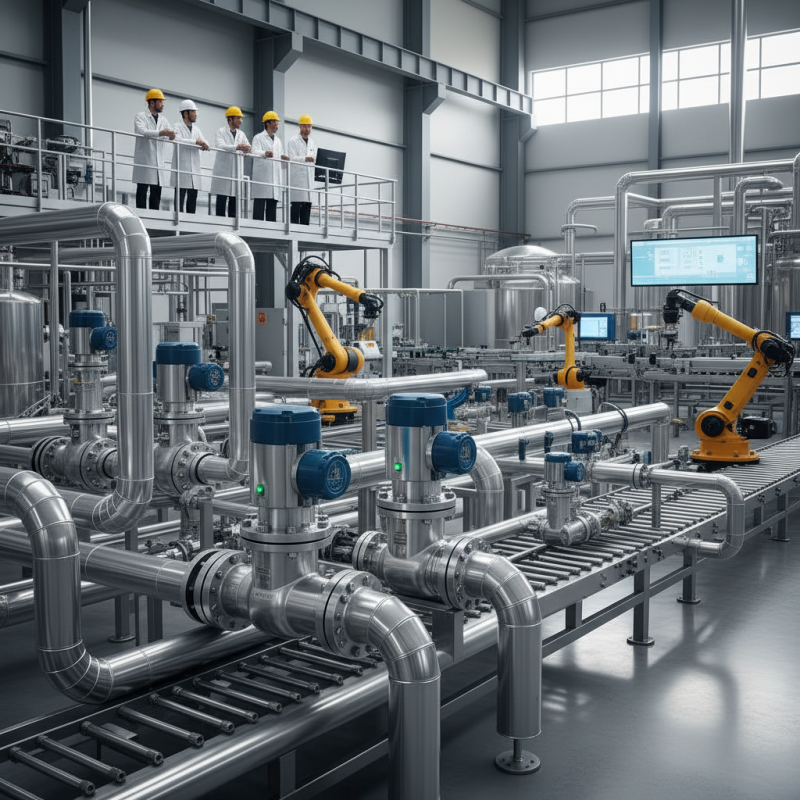
Motorized valves play a crucial role in various systems, from HVAC to industrial applications. These valves are designed to control the flow of fluids or gases efficiently. A report from the Valve Manufacturers Association indicates that these devices can improve system performance by 30% when integrated properly. Their operation relies on an electric motor, which opens or closes the valve based on specific conditions, allowing for precise control.
The functionality of motorized valves provides several advantages. They enhance process reliability and reduce energy consumption significantly. In fact, studies show a potential energy savings of up to 20% when motorized valves are employed. However, it's important to note that improper installation can lead to operational issues. Regular maintenance is essential for optimal performance. Ignoring these aspects can result in decreased efficiency and higher operational costs.
Moreover, the versatility of motorized valves allows them to adapt to various pressures and temperatures. They can handle extreme conditions effectively. Yet, depending on the application, user experience may vary. Some users report occasional failures under heavy load conditions. This highlights the importance of selecting the correct valve type for specific requirements. Investing in quality and understanding valve functionality is key for maximizing their benefits.
Motorized valves offer a practical way to boost system efficiency. They automate the flow control of liquids and gases. By replacing manual valves, these devices save time and reduce human error. Imagine needing precise control in a complex system. It’s critical to have the right tools.
Efficiency lies in how these valves minimize energy loss. They allow for precise adjustments in flow rates. This results in balanced systems and lowers energy consumption. When systems optimize their performance, they provide better outputs with fewer resources.
Tips: Regular maintenance is crucial. Check the performance of your motorized valves. Small adjustments can lead to big benefits. Consider installing sensors that monitor valve operation in real time. This can enhance your overall system effectiveness. Likewise, ensure that the installation aligns with system needs. Mismatched sizes can lead to inefficiency. Any oversight here affects the entire setup.
| Benefit | Description | Impact on Efficiency |
|---|---|---|
| Automation | Allows for remote control and automation of flow systems. | Increases operational efficiency and reduces manual labor. |
| Precision Control | Enables accurate regulation of flow rates for optimal performance. | Enhances system performance and efficiency. |
| Energy Savings | Reduces energy consumption through efficient flow management. | Decreases operating costs and environmental impact. |
| Reliability | Offers consistent performance and reduces the risk of failure. | Improves overall system uptime and reliability. |
| Safety | Incorporates safety features to prevent catastrophic failures. | Enhances worker safety and lowers insurance costs. |
| Flexibility | Can be configured for various applications and flow types. | Allows for system adaptability and efficiency improvements. |
| Data Integration | Facilitates data collection for monitoring and analysis. | Enhances decision-making processes and operational efficiencies. |
| Maintenance | Simplifies maintenance with easy access for repairs. | Reduces downtime and maintenance costs. |
| Longevity | Built for durability and long-lasting performance. | Lower replacement frequency increases overall efficiency. |
| Cost Savings | Reduces costs associated with energy, labor, and downtime. | Overall enhanced profitability and operational efficiency. |
Motorized valves are essential in fluid management systems. They enable precise control over the flow of liquids and gases. This precision is critical in industries like manufacturing and water treatment. With these valves, operators can adjust flow rates more accurately than with manual valves. This reduces the risk of overflows or shortages, which can lead to costly mistakes.
The automation features of motorized valves enhance operational efficiency. Operators set parameters digitally, allowing for real-time adjustments. However, challenges can arise. Improper calibration can lead to erratic flow, highlighting the importance of regular maintenance. Additionally, the initial installation costs may deter some businesses. It's vital for teams to weigh these factors against the long-term benefits. An effective system requires careful planning and thoughtful integration.
Motorized valves offer significant advantages in reducing maintenance costs through automation. A report from the International Journal of Automation shows that automated systems can lead to a 30% decrease in operational downtime. This is crucial for industries relying on continuous production, where each minute of downtime can translate to considerable financial loss.
Automation simplifies processes. Motorized valves can be operated remotely, eliminating the need for manual adjustments. This reduces wear and tear on equipment, which typically incurs additional maintenance costs. In fact, many industry studies suggest that automated systems can reduce maintenance frequency by up to 25%. This can lead to fewer labor hours and decreased reliance on skilled technicians.
Yet, challenges remain. Integration of motorized valves in existing systems can require upfront investment. Some facilities face compatibility issues. Data shows that about 20% of blending systems struggle with these upgrades. It’s important to evaluate current infrastructure before implementing automation. Investing in these systems can offer long-term savings but requires careful planning and execution.
Motorized valves are becoming essential in various systems. They enhance safety measures significantly. These valves allow for precise control over fluid flow. This precision reduces the risk of leaks and hazardous spills. In many industries, safety is a priority that cannot be overlooked.
Consider a water treatment plant. Here, motorized valves play a critical role. They can be programmed to open or close automatically, minimizing human error. This automation is vital in high-stakes environments. However, it's essential to regularly check the calibration. An improperly calibrated valve can lead to dangerous outcomes.
Moreover, the integration of motorized valves helps with emergency protocols. In case of a sudden failure, valves can shut down quickly. This rapid response protects personnel and equipment. Yet, the reliance on technology makes regular training necessary. Workers should be reminded of manual overrides. Knowledge gaps can lead to risks if automation fails unexpectedly. It’s crucial to balance technology with human oversight.
