Top 10 Benefits of Using Injection Molding Machine With Robot?
The integration of an Injection Molding Machine With Robot is revolutionizing the manufacturing sector. This advanced technology offers numerous advantages that enhance productivity and efficiency. Manufacturers are increasingly adopting automated systems to meet rising demands.
Using an Injection Molding Machine With Robot streamlines the production process. It reduces the need for manual labor, lowering costs and improving consistency. Robots can operate continuously, eliminating downtime associated with human workers. Moreover, precision is heightened, leading to fewer defects in products.
Yet, some challenges remain. The initial investment for automation can be high. Facilities must also adapt to new workflows. Transitioning to an automated system requires careful planning and training. However, the long-term benefits often outweigh these obstacles. Investing in an Injection Molding Machine With Robot can lead to significant improvements in output and product quality.
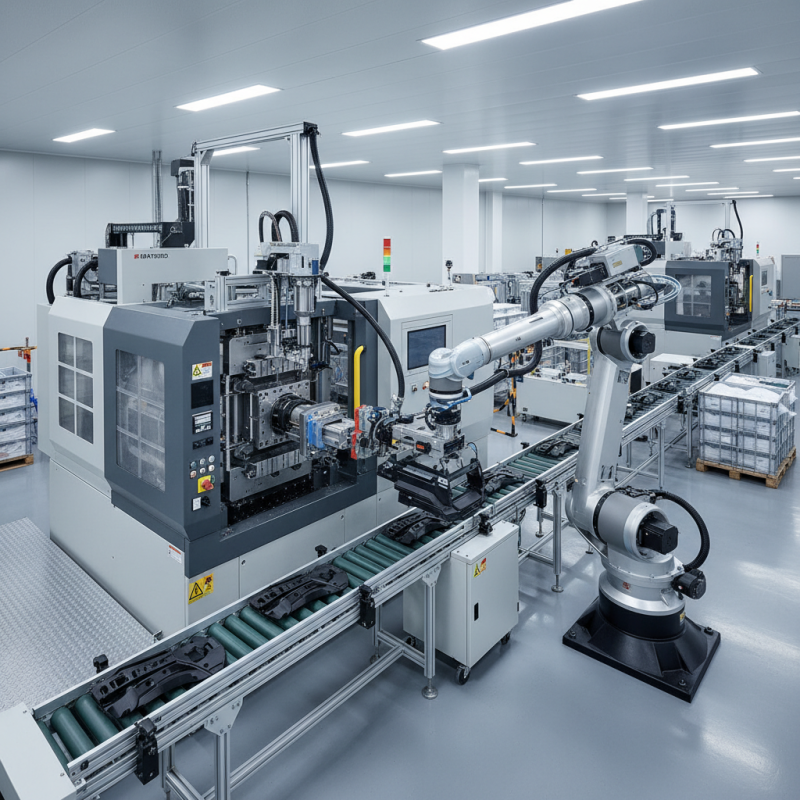
Top Advantages of Integrating Robotics with Injection Molding Machines
Integrating robotics with injection molding machines brings numerous advantages. One major benefit is increased efficiency. Robots can quickly handle parts after molding. They minimize the time spent on each cycle. This reduces overall production time. Workers can focus on more complex tasks.
Another key advantage is improved precision. Robots perform tasks with consistent accuracy. This ensures that products meet tight tolerances. Manual handling can lead to errors. Robots help in maintaining quality control. They reduce the risk of damage during part removal.
Despite these benefits, challenges exist. Not all operations are suited for robotic integration. High upfront costs may deter some manufacturers. Training staff to work alongside robots can also be demanding. Evaluating the return on investment is crucial. Finding the right balance between automation and human input is essential.
Top 10 Benefits of Using Injection Molding Machine With Robot
| Benefit | Description |
| Increased Efficiency | Robots can operate continuously without breaks, improving overall productivity. |
| Precision and Consistency | Robots enhance the accuracy of the molding process, ensuring uniform part quality. |
| Reduction of Labor Costs | Automating tasks reduces the need for manual labor, leading to cost savings. |
| Faster Cycle Times | Robots can shorten the mold opening and closing times, enhancing cycle efficiency. |
| Enhanced Safety | Using robots for hazardous tasks reduces the risk of workplace injuries. |
| Flexibility in Production | Robots can be easily reprogrammed for different tasks, allowing for quick changes in production. |
| Improved Product Design | Robotic assistance can facilitate complex designs and innovative manufacturing methods. |
| Reduced Material Waste | Robots help in precise material handling, which minimizes waste during production. |
| Improved Quality Control | Automated inspection systems ensure that defects are caught early, maintaining product quality. |
| Simplified Maintenance | Integrated systems often come with diagnostic tools, making maintenance easier and quicker. |
Enhanced Production Efficiency Through Automated Processes
Injection molding is revolutionizing manufacturing through automation. The integration of robotic systems with injection molding machines streamlines workflows. This enhances production efficiency. Robots can manage repetitive tasks, reducing human error. Automation minimizes delays and maximizes output. In many cases, cycle times are cut significantly.
With robots handling material loading and part unloading, operators can focus on quality control. This shift not only boosts efficiency but also improves overall product quality. However, the transition to such systems doesn't come without challenges. Proper training for staff is essential. Miscommunication between machines and humans can lead to errors. Finding the right balance between automation and human oversight requires careful consideration.
Moreover, automated processes can sometimes feel impersonal. This might affect workplace morale. It's essential to address these concerns to ensure a smooth integration. Innovation should not compromise the working environment. Striking this balance is vital for long-term success in the industry.
Reduction of Labor Costs and Increased Consistency in Manufacturing
The injection molding machine with integrated robotics brings significant advantages, especially in reducing labor costs. By automating repetitive tasks, businesses save on wages and lessen training needs. Fewer workers are required on the factory floor, allowing a firm to allocate funds elsewhere.
Consistency is greatly enhanced through robotic arms handling delicate and precise operations. This minimizes human error, leading to uniform production of parts. The precision of robotics ensures each piece meets quality standards, which builds client trust in the product.
Tips: Invest in training for operators who oversee robotic systems. This strengthens the transition to automation. Regular maintenance of machinery keeps production smooth and efficient. Also, track performance metrics to gauge improvements in consistency and costs. Monitoring these metrics can highlight areas needing reflection and adjustment for future enhancements.
Improved Material Handling and Waste Reduction in Production Cycles
Injection molding machines paired with robots enhance production efficiency significantly. Improved material handling is one of the main advantages. According to industry reports, automation in production can reduce material waste by up to 30%. Efficient robotic arms can swiftly move materials to and from machines. They minimize human error. This leads to precise operations and better quality control.
Waste reduction is another critical benefit. Many manufacturers see a decrease in scrap rates when using robots. A study indicated that factories using automated systems report a scrap rate reduction of nearly 20%. This reduction is crucial for cost savings. Proper material use directly impacts profitability. Moreover, robots can streamline recycling processes. They can sort and segregate materials more effectively than manual methods.
Manufacturers are still facing challenges in integrating robotic systems fully. Some workers fear job displacement. Others note a steep learning curve for robotic operation. These reflections are essential for future improvements. Automation is not a simple switch. It requires careful planning and training. By addressing these concerns, companies can better harness the benefits of robotic injection molding.
Advanced Quality Control and Precision in Molded Products with Robotics
Injection molding machines equipped with robotic systems offer remarkable advantages in quality control. Enhanced precision in molded products is one of the primary benefits. Robotics can handle delicate components with care. This reduces defects and improves the final product's fit and finish. Automated robotic arms consistently execute tasks with high accuracy.
Moreover, robotics allow real-time monitoring during the molding process. This means immediate adjustments can be made to maintain quality standards. However, it's essential to have skilled operators overseeing these machines. Their experience is crucial for troubleshooting issues that may arise during production. Sometimes, the technology may not perform as expected, leading to unexpected flaws.
Regular maintenance of both the machines and the robotic systems is vital. Downtime can hinder productivity and affect output quality. Investing in training for operators enhances the use of this advanced technology. It ensures that they are well-equipped to manage potential challenges. Thus, while robotics significantly boosts quality control, human oversight remains indispensable.
 North American Safety Valve Industries, Inc.