Top 5 Air Compressor Tips for Global Buyers at Canton Fair 2026?
As the world prepares for the 139th Canton Fair in 2026, Air Compressors will play a pivotal role in the manufacturing sector. This event, held from April 15 to May 5, showcases key industries including advanced machinery. With the introduction of AI-driven search and navigation, buyers can efficiently locate suppliers that meet specific certifications like ISO and CE. This innovation helps streamline the procurement process.
Air compressors are essential for various applications, from powering tools to supporting production lines. Understanding the features and specifications of air compressors is crucial for global buyers. With over 1.55 million square meters of exhibition space, the challenge lies in efficiently navigating the vast array of options available. It's vital to prioritize quality and reliability when choosing suppliers.
Consider the specific needs of your operations. Not all air compressors are created equal, and some may not meet industry standards. The Canton Fair offers a chance to connect with trusted manufacturers and learn about the latest technologies. Make informed decisions, and pay attention to details that could impact performance and efficiency. Reflecting on your requirements will ensure you choose the right air compressor for your business.
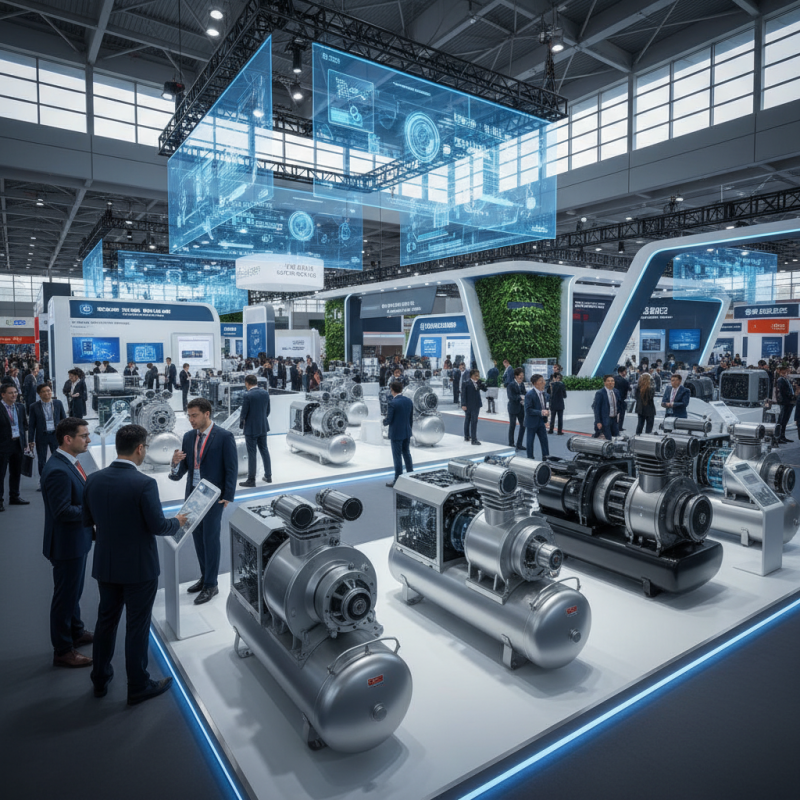
Understanding Different Types of Air Compressors Available at Canton Fair
At the Canton Fair 2026, global buyers will encounter a wide array of air compressors. Understanding the types available can significantly impact purchasing decisions. There are several categories, including reciprocating, rotary screw, and centrifugal compressors. Each type serves different needs based on size and application. A report by MarketsandMarkets estimates the air compressor market will reach USD 41.3 billion by 2026, emphasizing its growing significance.
Reciprocating compressors are ideal for smaller applications and are often preferred for intermittent use. They are compact and efficient. However, they may not be suitable for continuous operations. Rotary screw compressors, on the other hand, are better for steady, high-demand tasks. Their lifespan is typically longer, but initial costs can be high. Many buyers overlook energy efficiency ratings. This can lead to unexpected long-term expenses.
Centrifugal compressors stand out for large-scale operations with their high flow rates. But buyers should be aware of the complexities in maintenance. A recent industry analysis highlighted that nearly 30% of buyers regret not considering total cost of ownership. Proper research at the Canton Fair can mitigate these mistakes. Understanding these nuances will help in making more informed decisions.
Key Specifications to Consider When Evaluating Air Compressors
When evaluating air compressors, key specifications are vital. Buyers at the Canton Fair should focus on tank capacity. A larger tank allows for extended operation without constant cycling. Many models have capacities ranging from 2 to 80 gallons. This affects performance and efficiency during use.
Another crucial factor is the horsepower rating. Compressors often range from 1 to 10 HP. This dictates how quickly the unit can refill the tank. Higher horsepower might mean better performance, but it could also lead to increased energy consumption. Pay attention to the trade-offs involved.
Moreover, consider the noise level. Some compressors are very loud while others operate quietly. This is essential for workplace environments. A sound rating below 70 decibels is generally acceptable for indoor use. Lastly, do not overlook the warranty. A good warranty can provide peace of mind. Many products come with one to three years of coverage. Reflect on these aspects for smarter buying decisions at the fair.
Top 5 Air Compressor Tips for Global Buyers at Canton Fair 2026
Negotiating Prices and Terms with Air Compressor Suppliers
Negotiating prices with air compressor suppliers can be complex. According to a recent industry report, over 60% of buyers find price negotiation stressful. Knowing the market average helps. In 2023, the average price for mid-range air compressors was around $1,500 to $2,000. Buyers should be aware that suppliers often set higher initial prices. This is a common tactic. Understanding this can create an advantageous position for buyers.
When engaging suppliers, focus on specific details. Discuss payment terms and delivery options upfront. Many suppliers are willing to negotiate terms like payment schedules or shipping costs. For instance, a report noted that flexible payment terms can lead to an overall cost reduction of 15%. Additionally, don't shy away from examining warranty clauses. Many buyers overlook this. A strong warranty can save significant costs down the line.
Every negotiation has room for improvement. Communication can sometimes lead to misunderstandings. Encourage open dialogue. Ensure both parties have a clear understanding of expectations. Take notes during discussions to avoid confusion later. Remember, effective negotiation is a skill that develops with practice and reflection.
Identifying Reliable Manufacturers and Quality Standards
Finding reliable air compressor manufacturers at trade fairs like Canton Fair can be challenging. According to data from the International Trade Administration, buyers often face difficulties in verifying quality standards. One key indicator is compliance with ISO 9001, a quality management system that many reputable manufacturers adopt. Checking for this certification can help in assessing a supplier's credibility.
Additionally, examine the product specifications closely. Look for parameters like noise levels, energy efficiency, and maximum pressure ratings. A report by the US Department of Energy emphasized that energy-efficient air compressors can save businesses up to $30% on operation costs. However, some manufacturers may exaggerate their claims. Always request detailed product documentation and third-party performance data.
Inspecting the manufacturing facility can provide insights into a company's operational standards. During a factory visit, assess the cleanliness and organization of the space. Is the equipment up to date? A well-maintained facility often signals a commitment to quality. However, not all businesses allow visits, which can be a red flag. A balance between trust and verification is crucial in this industry.
Post-Purchase Support and Maintenance Tips for Air Compressors
Post-purchase support is crucial for air compressor buyers. After investing in a compressor, knowing how to maintain it is essential. Regular checks on oil levels and filters can prevent major issues. Many buyers overlook this. A simple inspection can save time and money later. Consider setting a maintenance schedule. It keeps everything running smoothly.
Understanding the warranty is also important. Many people don’t read the fine print. A warranty can mean the difference between costly repairs and free services. Make sure to contact the supplier for support when needed. Building a relationship with them can lead to better service. Don’t hesitate to ask questions.
Consider the training of staff. Even the best compressors need skilled hands. Improper use can lead to damage. Some teams might need extra training. Check if the supplier offers workshops or manuals. Investing time in learning can pay off. Often, the small details make a huge impact.
 North American Safety Valve Industries, Inc.